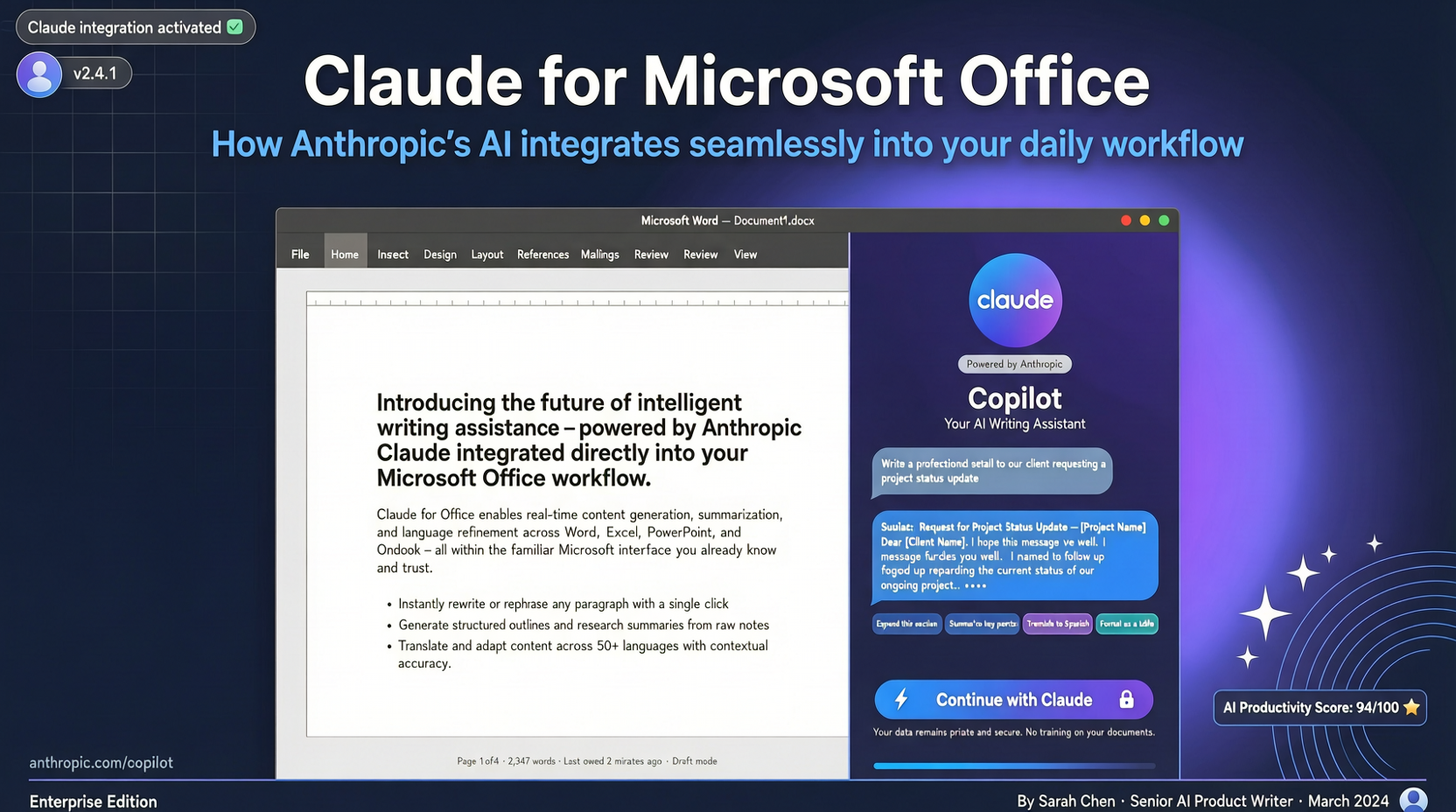
Microsoft announced in mid-April the expansion of 365 Copilot model choice, adding Anthropic’s Claude Opus 4.7. The model first launches through Copilot Cowork (Frontier program) and Copilot Studio early release environments, then gradually rolls out to Copilot in Excel. This tweet received 130 retweets and 682 likes, drawing significant attention in the enterprise AI community.
This is Anthropic’s first large-scale entry into Microsoft’s enterprise office ecosystem. Previously, 365 Copilot relied primarily on OpenAI’s GPT series. Adding Opus 4.7 means Microsoft is taking a substantive step in “model diversity”—enterprise users can now call non-OpenAI models directly within Copilot.
Opus 4.7 Core Capabilities
According to Artificial Analysis, Claude Opus 4.7 scores 57 on the Intelligence Index, alongside GPT-5.4 and Gemini 3.1 Pro in the top tier. It leads on GDPval-AA (general agentic capability benchmark) and is “convincingly better at coding than GPT-5.4 and Gemini.”
Community testing highlights a key detail: Opus 4.7 excels at instruction following—“no skipped steps, no reordering, no AI assumptions.” This is a substantive advantage for enterprise scenarios requiring precise multi-step workflows (financial report generation, compliance document review).
Enterprise Impact
- Reduced model lock-in risk: 365 Copilot supporting multiple models means enterprises are no longer tied to a single vendor.
- Scenario fit: Opus 4.7’s strength in instruction following and code execution suits precise workflow automation (Excel data processing, Power Automate integration).
- Compliance flexibility: Multiple model options help meet data sovereignty and vendor requirements.
Action Items
- 365 Copilot users: Test Opus 4.7 in Copilot Studio if your workflow involves Excel data processing or multi-step document generation.
- IT procurement: Include “model diversity” in Copilot evaluation—multi-model versions offer better long-term cost and vendor risk management.