The Event
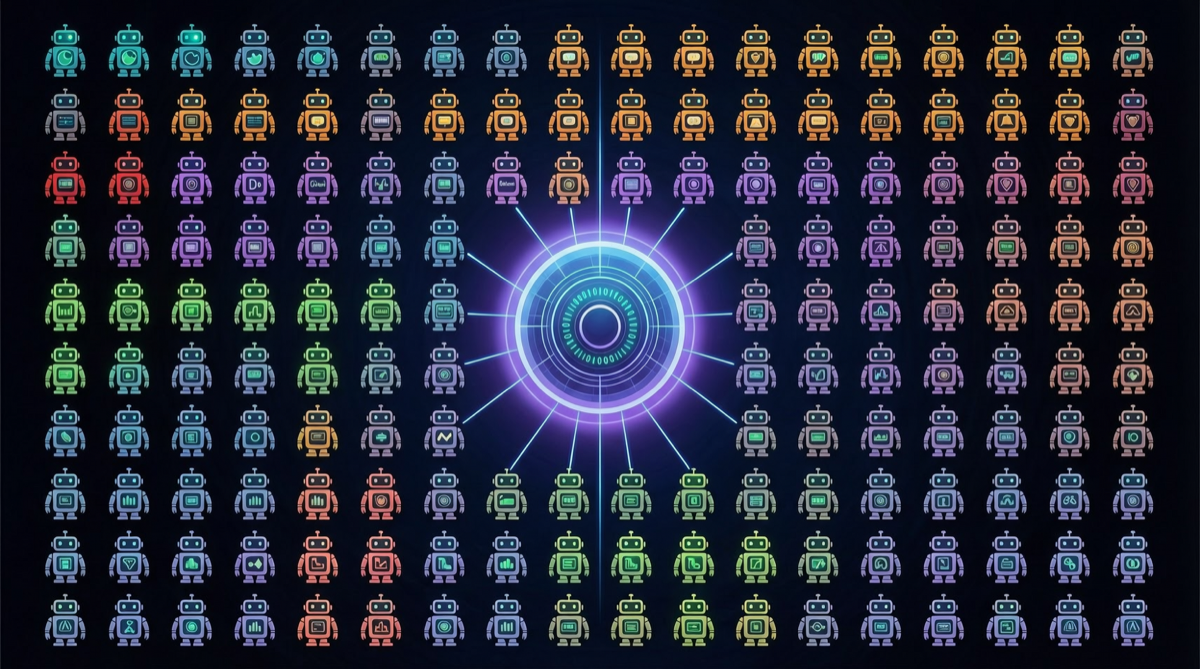
The open-source project agency-agents on GitHub has gone viral recently, surpassing 9.2k Stars. Its core selling point is straightforward: provide 211 fully-staffed AI expert roles that can be plugged directly into your local Agent.
Unlike typical prompt collections, each expert role in agency-agents comes with independently defined workflows — not just “you are a senior frontend engineer,” but complete task breakdowns, tool-calling sequences, quality check standards, and output format specifications.
Why It Matters
The AI Agent ecosystem faces a core bottleneck right now: general-purpose models are strong, but vertical tasks require specialized prompt engineering. Most users either craft prompts by hand or write Agent skills from scratch — both approaches are time-consuming and hard to reuse.
agency-agents cuts right to this pain point, packaging 211 expert roles into reusable modules. You can load an “SEO Content Strategist” expert in Hermes Agent, inject a “Code Review Expert” into OpenClaw, and each expert arrives with its own workflow, ready to use out of the box.
Core Features Breakdown
211 Experts Covering the Full Stack
The expert roles span multiple domains:
- Development: Frontend Architect, Backend Engineer, DevOps Expert, SRE Engineer, Database Optimizer
- Product: Product Manager, UX Researcher, Growth Strategist, Data Analyst
- Content: SEO Content Strategist, Technical Writer, Translation Expert, Social Media Operator
- Business: Business Analyst, Market Researcher, Competitive Analyst, Financial Advisor
Each expert comes with a complete CLAUDE.md/.hermes/skills-style configuration file that maps directly into the skill systems of mainstream Agent frameworks.
Independent Souls: Workflows as Code
The real killer feature of agency-agents lies in its workflow definitions. Take the “Frontend Architect” as an example — its workflow isn’t just a role setting, but includes:
- Task Analysis Phase: Understand requirements, identify technical constraints, assess risks
- Design Phase: Architecture selection, component design, state management strategy
- Implementation Phase: Code generation, test writing, documentation output
- Review Phase: Performance audit, security scan, accessibility check
This structured workflow transforms Agent execution from “random improvisation” to “playing by the book,” dramatically reducing hallucination rates and output quality variance.
Plug-and-Play Architecture
The project is designed to be framework-agnostic. You can:
- Directly copy expert config files into your Hermes Agent skills directory
- Connect experts to OpenClaw via MCP Server interfaces
- Use them as standalone prompt templates in Claude Code
This design philosophy aligns perfectly with the current Agent ecosystem’s “skill marketplace” trend — expert roles are essentially tradable Agent skill assets.
What It Means for Developers
If you’re building local AI workflows with Hermes Agent or OpenClaw, agency-agents offers a shortcut that skips prompt engineering entirely. No need to write system prompts for every role from scratch — just import the expert pack.
For teams, this is equivalent to building an AI expert library — each team member can call on experts from different domains on demand, without everyone needing to become a prompt engineer.
Signal & Validation
- 9.2k GitHub Stars prove real market demand
- The scale of 211 expert roles far exceeds similar projects (typically 10-50)
- The structured workflow definitions go well beyond simple prompt collections
- Aligns with the current Agent framework skillification trend (Hermes Skills, OpenClaw Computer Use, Google Agent Skills)
Action Items
- Try it now: Clone the repo, pick 2-3 experts most relevant to your daily tasks, and inject them into your Agent
- Evaluate results: Compare output quality and time before and after using experts on the same tasks
- Custom-extend: Build your own domain-specific expert roles based on existing templates
- Team sharing: Push validated expert configs to your team’s shared skills directory