Core Takeaway
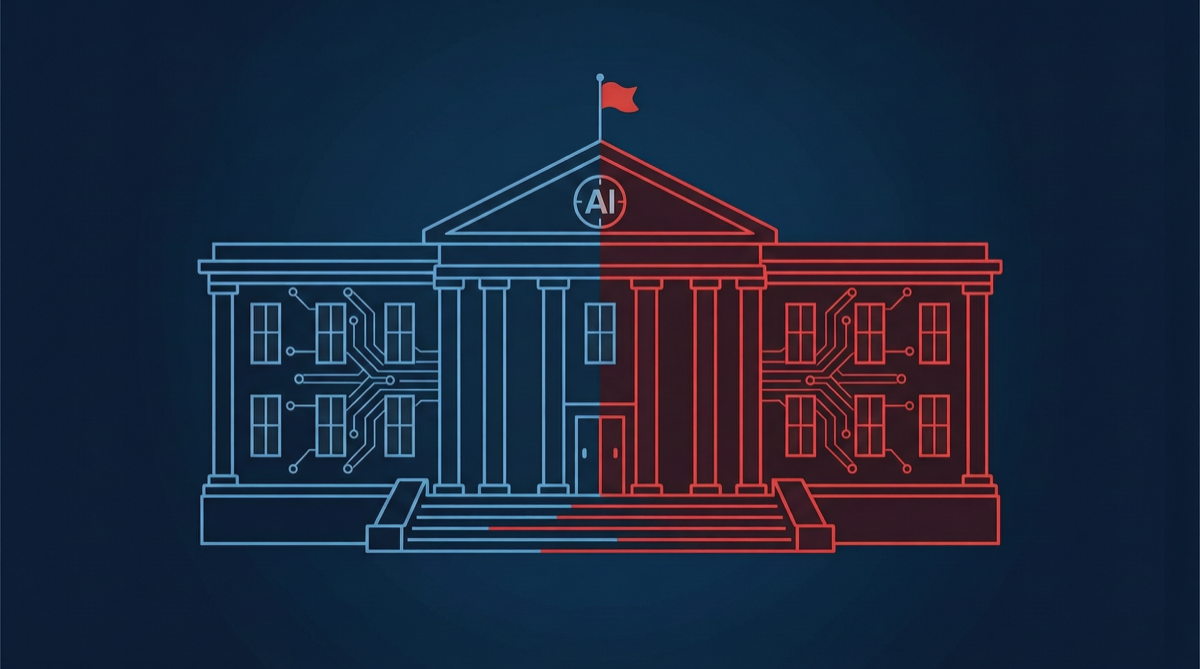
The public comment window for the US government's AI Guidance closes on May 8, 2026. This means that comments submitted by industry participants (AI companies, research institutions, civil organizations, individuals) in the remaining hours will directly shape the preliminary form of the US AI regulatory framework.
This is the most influential window in the policy-making process — once closed, the Guidance will enter the finalization stage, with extremely limited room for subsequent modifications.
What Happened
| Key Milestone | Date | Status |
|---|---|---|
| Guidance draft released | Early 2026 | Completed |
| Public comment period opens | Q1 2026 | In progress |
| Comment submission deadline | May 8, 2026 | Closing soon |
| Guidance finalization | Q2-Q3 2026 | Pending |
Core Coverage of the Guidance
While the specific draft content requires consulting official documents, from publicly available information and industry discussion, the AI Guidance is expected to cover the following core topics:
| Topic | Focus | Impact Scope |
|---|---|---|
| Model safety | Red teaming, safety assessment, risk grading | AI model developers |
| Data privacy | Training data sources, personal information processing | Data providers, model trainers |
| Automated decision-making | Algorithm transparency, explainability, appeal mechanisms | Enterprises using AI for decisions |
| Open-source exemption | Whether open-source models face equal regulatory standards | Open-source community, academic institutions |
| Cross-border data | Cross-border flow rules for AI training data | Multinational AI enterprises |
Why It Matters
1. Global Spillover Effects of US Regulatory Framework
Although the US AI regulatory framework has direct binding force only within the US, its impact is global:
- Multinational enterprise compliance costs: AI companies operating in the US need to incorporate US standards into their global compliance systems
- Standard competition: Coordination or conflict between US Guidance, EU AI Act, and China's Generative AI Management Measures will shape the global AI regulatory landscape
- Technical route impact: Safety assessment and red teaming requirements may influence model architecture design directions
2. The Fate of Open-Source Models
The treatment of open-source models in the Guidance is one of the industry's most focused concerns:
- If open-source models are subject to the same regulatory requirements as closed-source models, it will significantly increase compliance costs for open-source projects
- If open-source models receive exemptions or simplified treatment, it will provide greater development space for the open-source ecosystem
3. Indirect Impact on Chinese AI Enterprises
Although the Guidance is a US domestic policy, its impact on Chinese AI enterprises cannot be ignored:
- Overseas compliance: Chinese AI enterprises planning to enter the US market need to understand and adapt to regulatory requirements in advance
- Supply chain risk: If the Guidance involves cross-border data flow restrictions, it may affect Sino-US AI technology cooperation
- Standard discourse power: The participation level of Chinese enterprises in the comment period may influence the friendliness of final rules toward Chinese companies
Industry Response
From publicly available information, industry parties show divided attitudes toward the Guidance:
| Stakeholder | Typical Position | Focus |
|---|---|---|
| Large AI companies | Support moderate regulation, but oppose over-restriction | Compliance costs, competitive advantage |
| Open-source community | Strongly demand open-source exemption | Innovation freedom, community vitality |
| Civil organizations | Call for stricter AI safety standards | Public interest, risk prevention |
| Academic institutions | Support research-oriented relaxed framework | Academic freedom, talent development |
Action Recommendations
For AI Enterprises
- Immediate review: Confirm whether feedback has been submitted during the comment period
- Compliance rehearsal: Based on the Guidance draft, plan internal compliance processes in advance
- Monitor finalization: After the comment window closes, continuously track changes in the finalized version
For Developers
- Understand open-source exemption clauses: This directly affects the survival space of individual and community projects
- Participate in community discussion: Speak collectively through industry associations or open-source communities
- Technical preparation: Prepare technical readiness for potential compliance requirements (such as red teaming, safety assessment)
For Overseas Enterprises
- Policy research: Analyze the specific impact of the Guidance on your business
- Compliance layout: Establish a compliance team in the US or cooperate with local law firms
- Multi-party participation: Participate in policy discussions through industry associations, chambers of commerce, and other channels
Landscape Assessment
The AI Guidance formulation process is essentially a rule competition — all parties are competing for the definition of future AI development rules. The May 8 deadline is not the end, but the starting point of the finalization stage. The extent to which the final Guidance balances innovation incentive and risk control will directly impact the US's position in the global AI competition.
For China's AI industry, the key is not how strict US regulation is, but whether China can make a strong enough voice in this round of global AI rule-making. Participation level and influence during the comment period are important indicators of a country's AI governance discourse power.