痛点
大多数 AI 编程工具(Codex、Claude Code、OpenClaw)能写出漂亮的前端,但到了后端就露怯了:
- 认证系统要自己搭
- 数据库 schema 要自己设计
- API 路由要自己写
- 部署流程要自己配
结果就是:Agent 能生成 90% 的代码,剩下的 10% 后端基础设施反而要花 50% 的时间。
InsForge 的方案
InsForge 的思路很直接:给 Agent 一个"开箱即用的后端"。
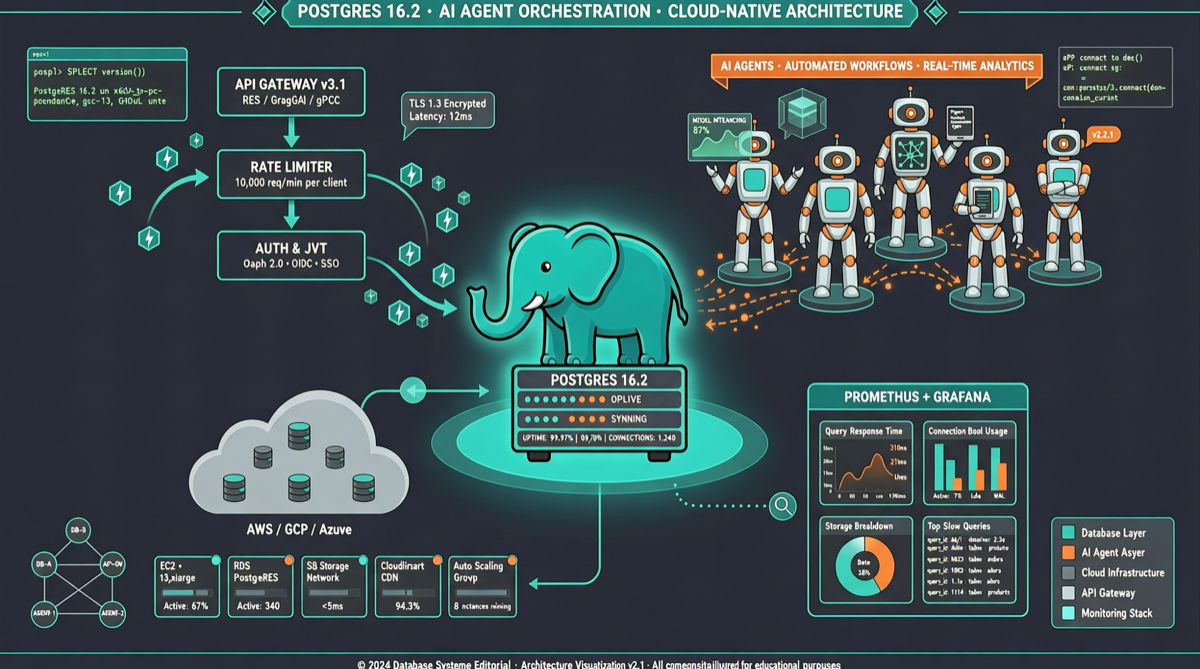
InsForge = Postgres + Auth + Storage + Compute + Hosting + AI Gateway
所有组件都围绕一个目标:让 AI Agent 能够自主完成全栈开发,不需要人类工程师来收拾后端残局。
核心架构
| 组件 | 功能 | Agent 友好度 |
|---|---|---|
| Postgres 数据库 | 关系型数据存储 | 内置 schema 管理,Agent 可直接操作 |
| Auth | 用户认证授权 | 标准化接口,不需要手写 auth 逻辑 |
| Storage | 文件存储 | 对象存储 API,Agent 可自主管理 |
| Compute | 服务端计算 | Serverless 函数,Agent 生成即可部署 |
| Hosting | 静态/动态托管 | 一键部署,Agent 自主完成 |
| AI Gateway | LLM API 代理 | 统一管理多个模型的调用 |
为什么专为 Agent 设计很重要
传统后端平台(Supabase、Firebase)的设计出发点是"人类开发者好用"。但 AI Agent 的需求不同:
- Agent 需要结构化的 API 响应,不是给人看的文档
- Agent 需要确定性的错误处理,不是模糊的提示
- Agent 需要原子化的操作,一个指令完成一个完整动作
- Agent 需要权限模型清晰,知道自己的操作边界
InsForge 从底层就按这些需求设计,而不是在人类友好平台上面加一层 Agent 适配。
上手体验
# 一行命令启动
npx create-insforge my-project

# Agent 可以直接:
# 1. 创建数据库表
# 2. 配置认证策略
# 3. 部署 serverless 函数
# 4. 上传静态资源
# 5. 配置 AI Gateway 路由
对 Codex、Claude Code、OpenClaw 等 Agent 来说,这意味着:
- 不需要教 Agent 怎么写 Express.js 路由
- 不需要解释 Postgres 的权限系统
- 不需要配置 Nginx 反向代理
- Agent 生成业务逻辑 → InsForge 处理其余一切
与竞品对比
| 平台 | 定位 | Agent 适配 | 开源 | 技术栈 |
|---|---|---|---|---|
| InsForge | 专为 Coding Agent | ✅ 原生设计 | ✅ TypeScript | Postgres |
| Supabase | 人类开发者友好 | ⚠️ 需适配 | ✅ | Postgres |
| Firebase | 人类开发者友好 | ⚠️ 需适配 | ❌ | NoSQL |
| Appwrite | 人类开发者友好 | ⚠️ 需适配 | ✅ | 多数据库 |
| PocketBase | 轻量级全栈 | ⚠️ 有限支持 | ✅ | SQLite |
数据
- GitHub 星数:8,500+(持续增长中)
- 日增星标:230+
- Fork 数:700+
- 语言:TypeScript
- 核心贡献者来自 Fermionic-Lyu、tonychang04 等
格局判断
InsForge 的出现反映了一个更大的趋势:AI 编程 Agent 正在催生新一代"Agent-First"开发工具。
当 AI Agent 能写代码,但缺乏配套的基础设施时,市场自然会涌现出专门为 Agent 设计的后端平台。InsForge 是第一个把"Agent 友好"作为核心设计理念的开源后端。
可以怎么用
| 场景 | 用法 |
|---|---|
| Agent 生成全栈应用 | 前端 Agent 写 UI + InsForge 处理后端的完整流水线 |
| 快速原型 | Agent 用 InsForge 在几分钟内搭建可演示的完整应用 |
| 教学场景 | 学生用 Agent + InsForge 学习全栈开发,专注业务逻辑 |
| 个人项目 | 一个人 + 一个 Agent + InsForge = 全栈团队 |
注意事项
- InsForge 仍处于早期阶段,API 可能有 breaking changes
- 目前生态较小,社区资源和第三方集成有限
- 大规模生产部署需要自行评估性能瓶颈
- 作为 Postgres 系方案,SQL 知识仍然有益