C
ChaoBro

Trends

Agents, workflows, and product practice

Trends

WeChat Youth AI Report: The Reality of AI Education Workflows Behind 50 Billion Tokens Consumed

WeChat officially released the "Global Youth AI + Mini Program Insights Report": The platform's annual token consumption for AI creation by teachers and students has surpassed 50 billion (equivalent to 3.75 million in-depth conversations), attracting nearly 80,000 students and 17,000 teachers worldwide, with over 280,000 mini program projects created cumulatively. Generative AI has been deeply integrated into youth programming education, becoming a "standard teaching tool."

#WeChat #Youth AI #EdTech
Trends

OpenHuman Gains 1,600 Stars Daily: The Right Way to Use a Desktop Personal AI Agent

OpenHuman is an open-source desktop personal AI agent built on a "human-first" philosophy. It features one-click OAuth integration for 118+ third-party apps, local Memory Tree + Obsidian Wiki knowledge management, TokenJuice smart compression that saves 80% of tokens, and a desktop-pet-style agent that can join Google Meet meetings. It gained 1,601 stars in a single day and topped the Product Hunt daily chart.

#OpenHuman #Personal AI #Desktop Agent
Trends

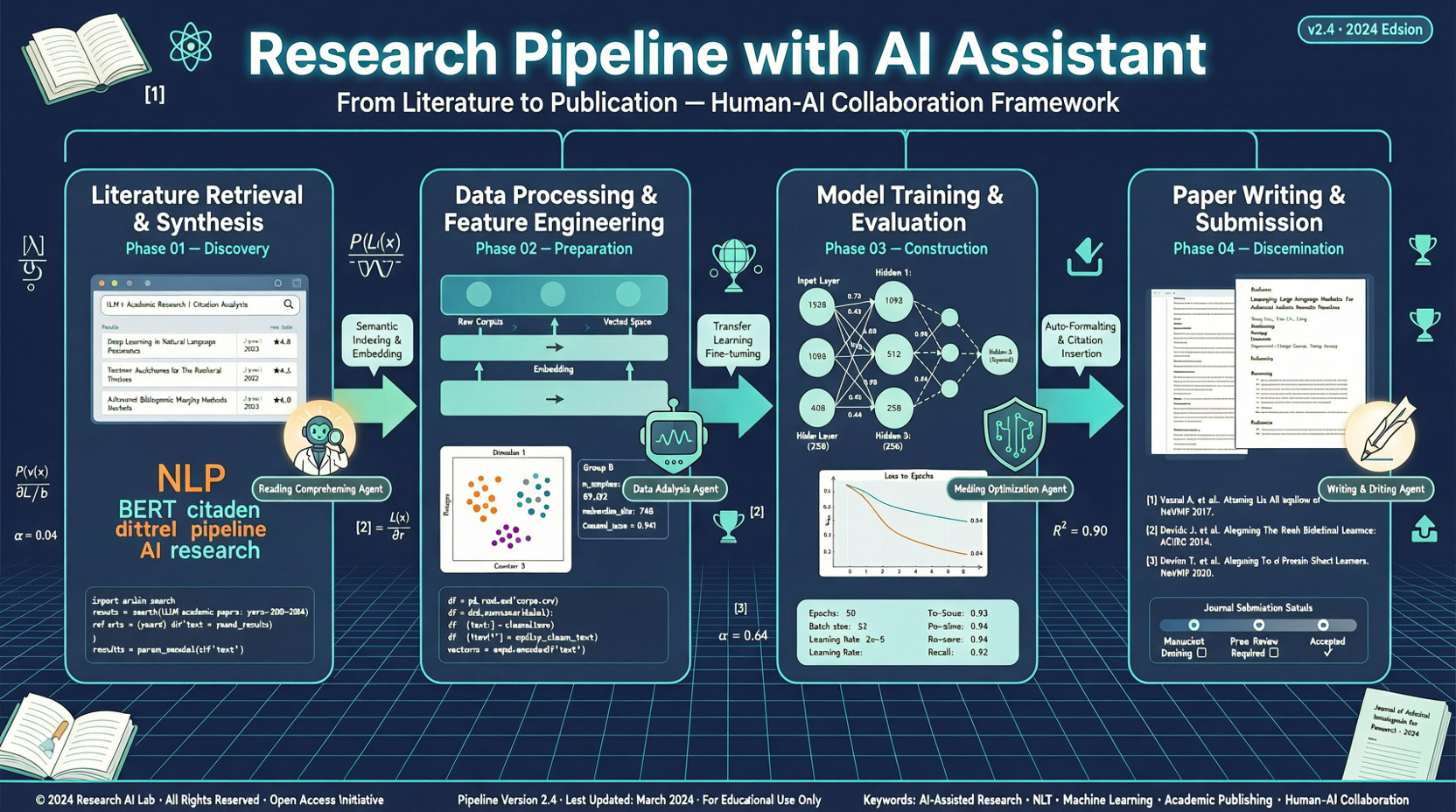
Turning AI Coding Assistants into AI Scientists: Unboxing 135 Research Agent Skills

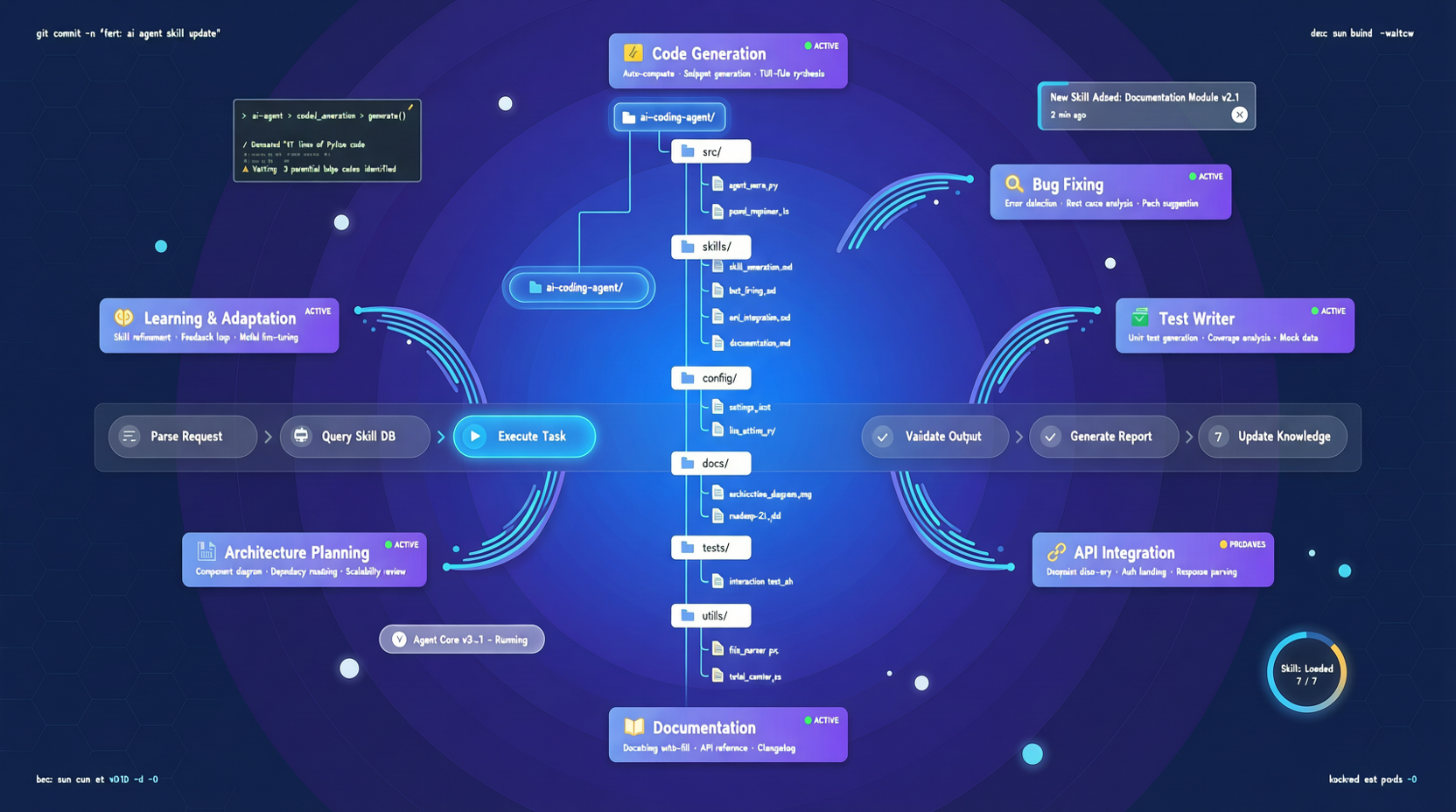
K-Dense AI's open-source Scientific Agent Skills provides 135 ready-to-use research skills, covering 17 disciplines including bioinformatics, drug discovery, clinical medicine, and materials science. It integrates 78+ scientific databases and 70+ optimized Python package skills. Compatible with mainstream AI coding tools like Cursor, Claude Code, and Codex, it transforms general-purpose AI Agents into professional "AI Scientists."

#Scientific Agent Skills #K-Dense #AI Research
Trends

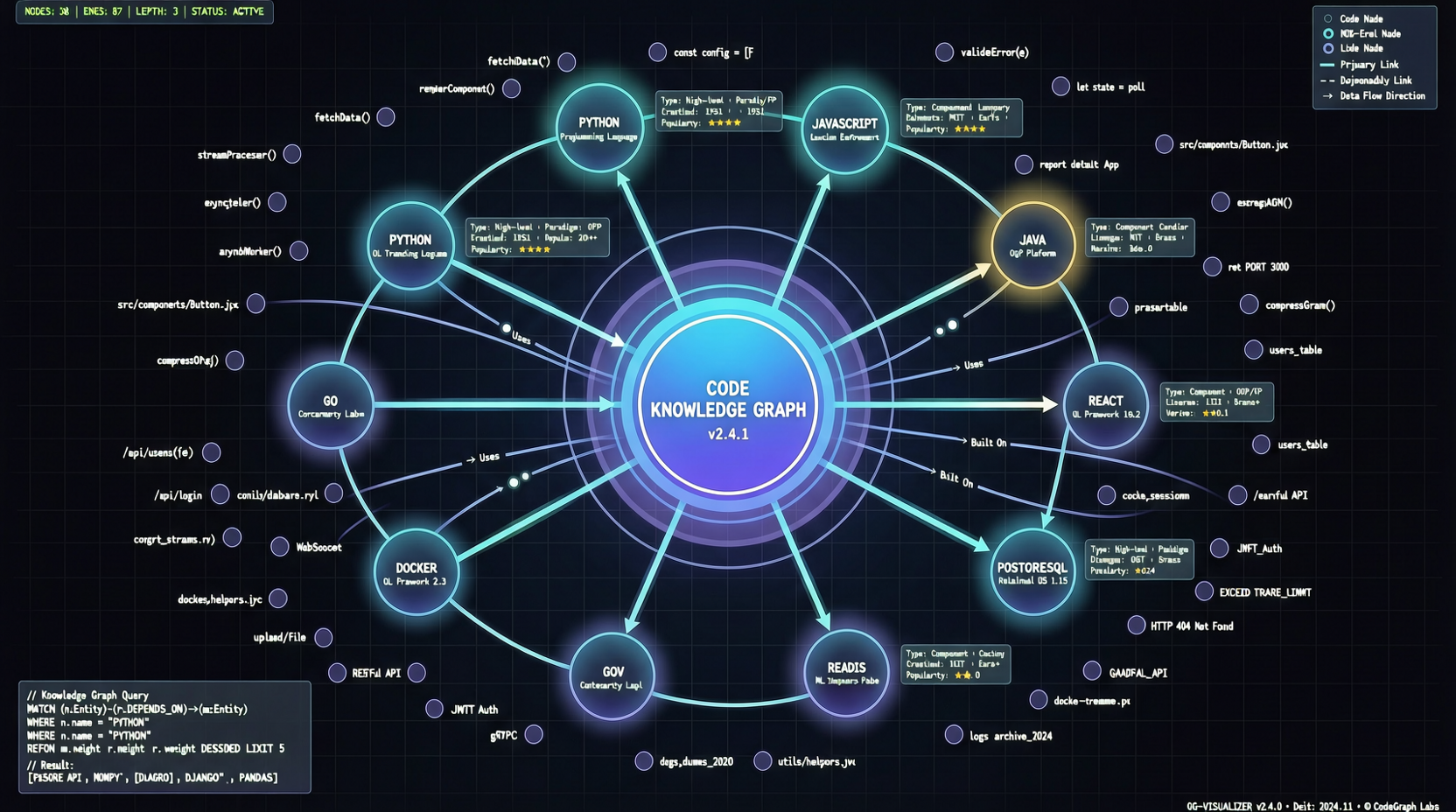
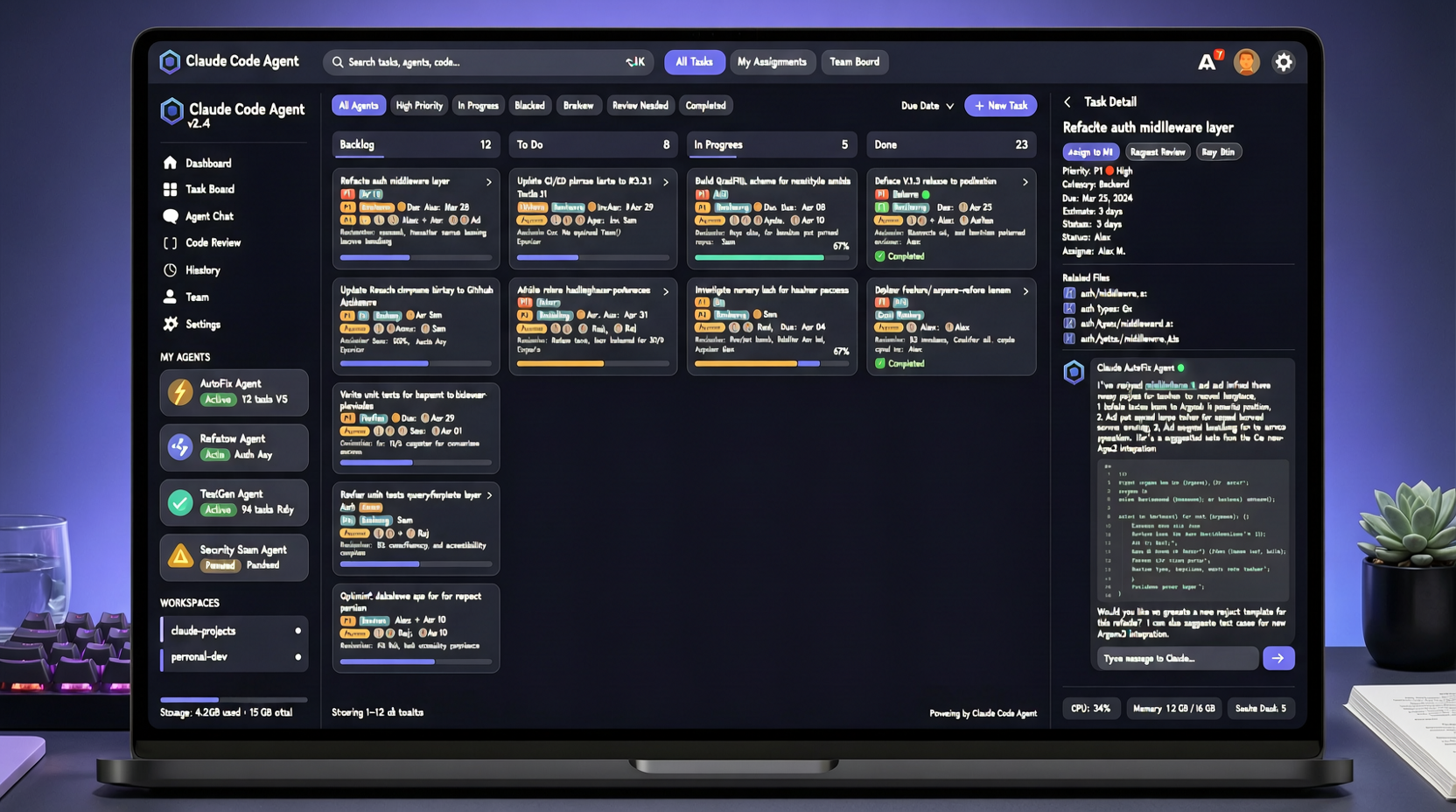
CodeGraph: Equipping Claude Code with a "Code Brain" to Boost Exploration Efficiency by 82%

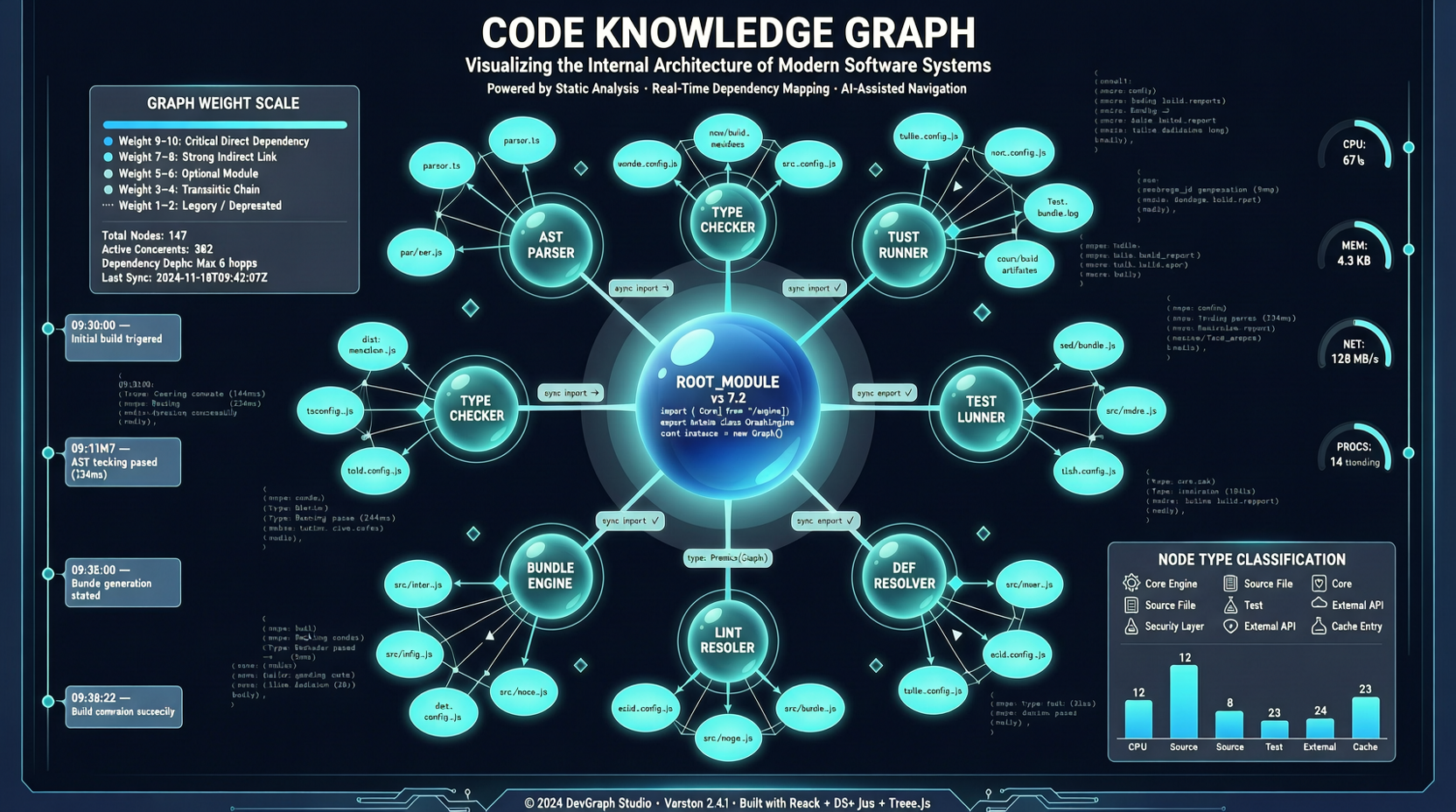
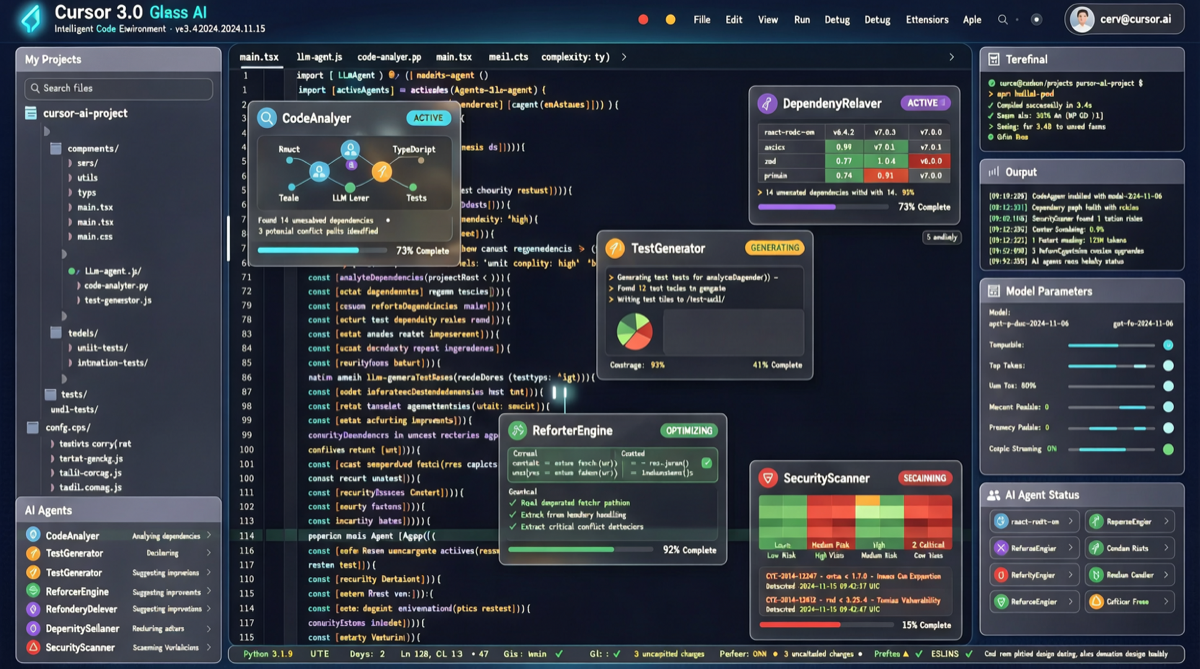
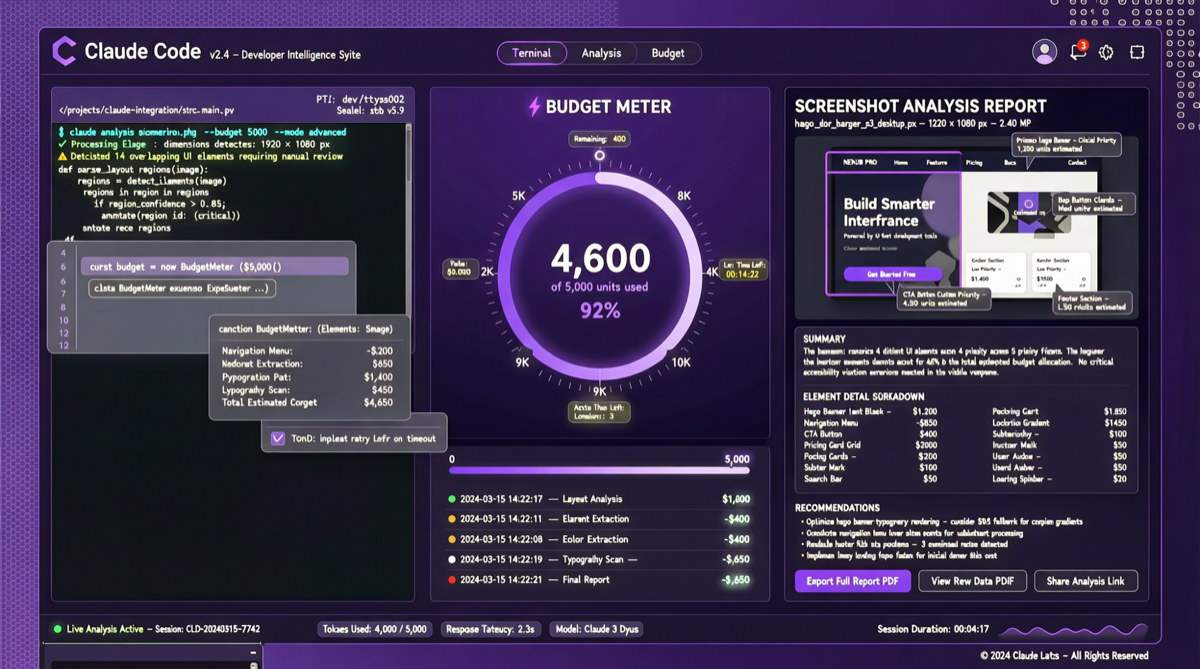
CodeGraph provides Claude Code's Explore agent with a pre-indexed code knowledge graph—complete with symbol relationships, call graphs, and code structure. In benchmark tests across 6 real-world codebases, it reduced tool calls by an average of 92% and sped up execution by 71%. In the VS Code project, tool calls dropped from 52 to 3, and execution time fell from 1 minute 37 seconds to just 17 seconds.

#CodeGraph #Claude Code #Code Knowledge Graph
Trends

Anything-to-NotebookLM Gains 2,200 Stars in a Week: A Claude Skill That Feeds WeChat Articles, YouTube Videos, and PDFs Straight into NotebookLM

joeseesun/qiaomu-anything-to-notebooklm has reached 4,420 stars, adding 2,257 this week. It is a Claude Skill that processes content from various sources—including WeChat Official Account articles, web pages, YouTube videos, PDFs, and Markdown—and imports it into NotebookLM to generate podcasts, PPTs, mind maps, quizzes, and more.

#NotebookLM #Claude Skill #Content Processing
Trends

K-Dense's Scientific Agent Skills Goes Viral: The "Specialized Agent" Trend Behind 25K Stars

The K-Dense-AI/scientific-agent-skills repository has reached 25,140 stars, gaining 3,478 this week alone. It provides a set of ready-to-use Agent Skills covering research, science, engineering, analysis, finance, and writing. Rather than a generic collection of prompts, it is a verified package of domain-specific professional skills.

#K-Dense AI #Scientific Agent Skills #Research Agent
Trends

Supertonic: An Open-Source TTS Project with 9,000 Stars, Moving Speech Synthesis Off the Cloud

supertone-inc/supertonic has reached 9,232 stars, gaining 4,120 this week. Its positioning is straightforward: an on-device, multilingual TTS engine based on ONNX that runs locally without cloud APIs. It's extremely fast and supports multiple languages. While most TTS solutions are still competing on cloud API pricing, this project has chosen a different path.

#Supertonic #TTS #Speech Synthesis
Trends

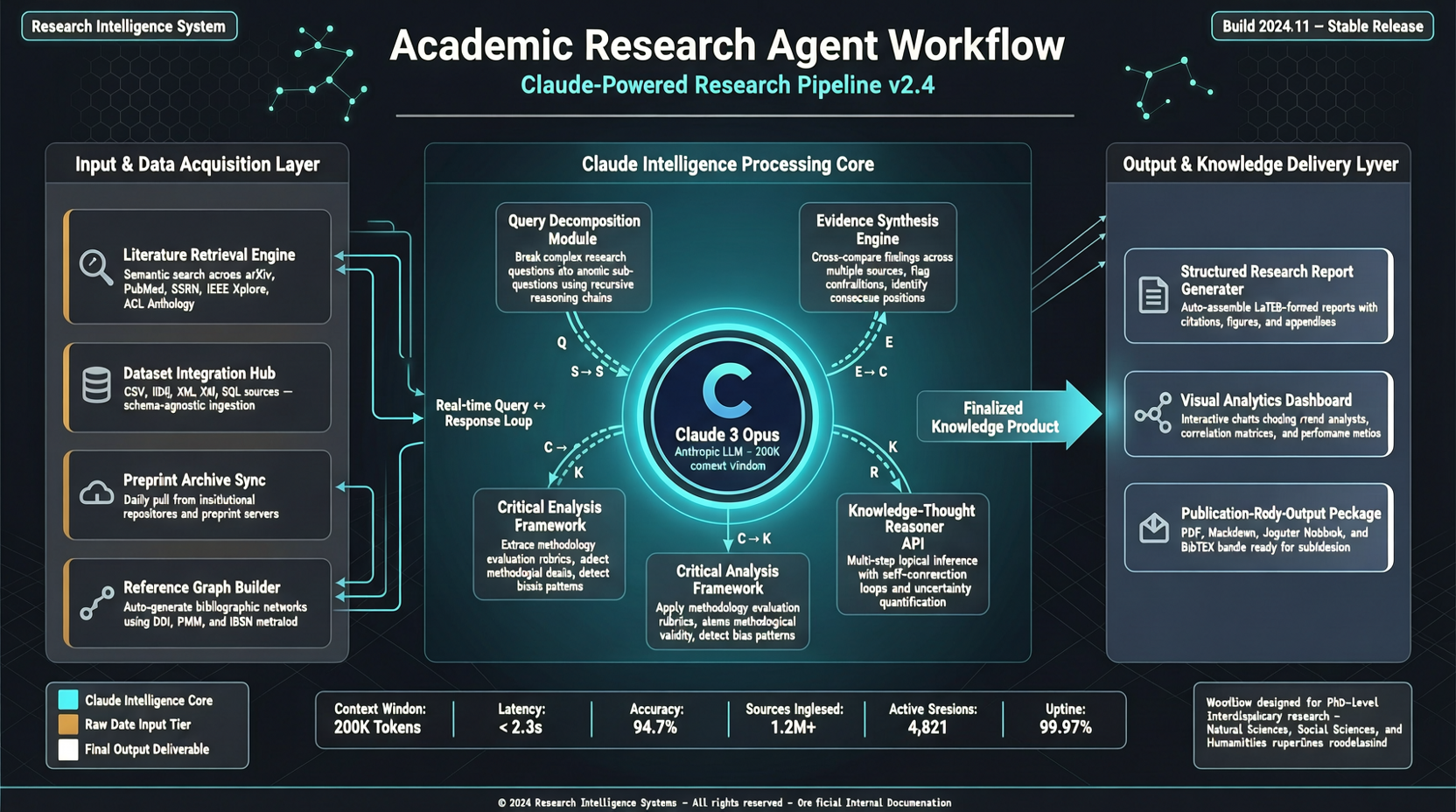
Academic Research Skills Gains 8,700 Stars on GitHub in One Week: A Complete Workflow for Academic Research Using Claude Code

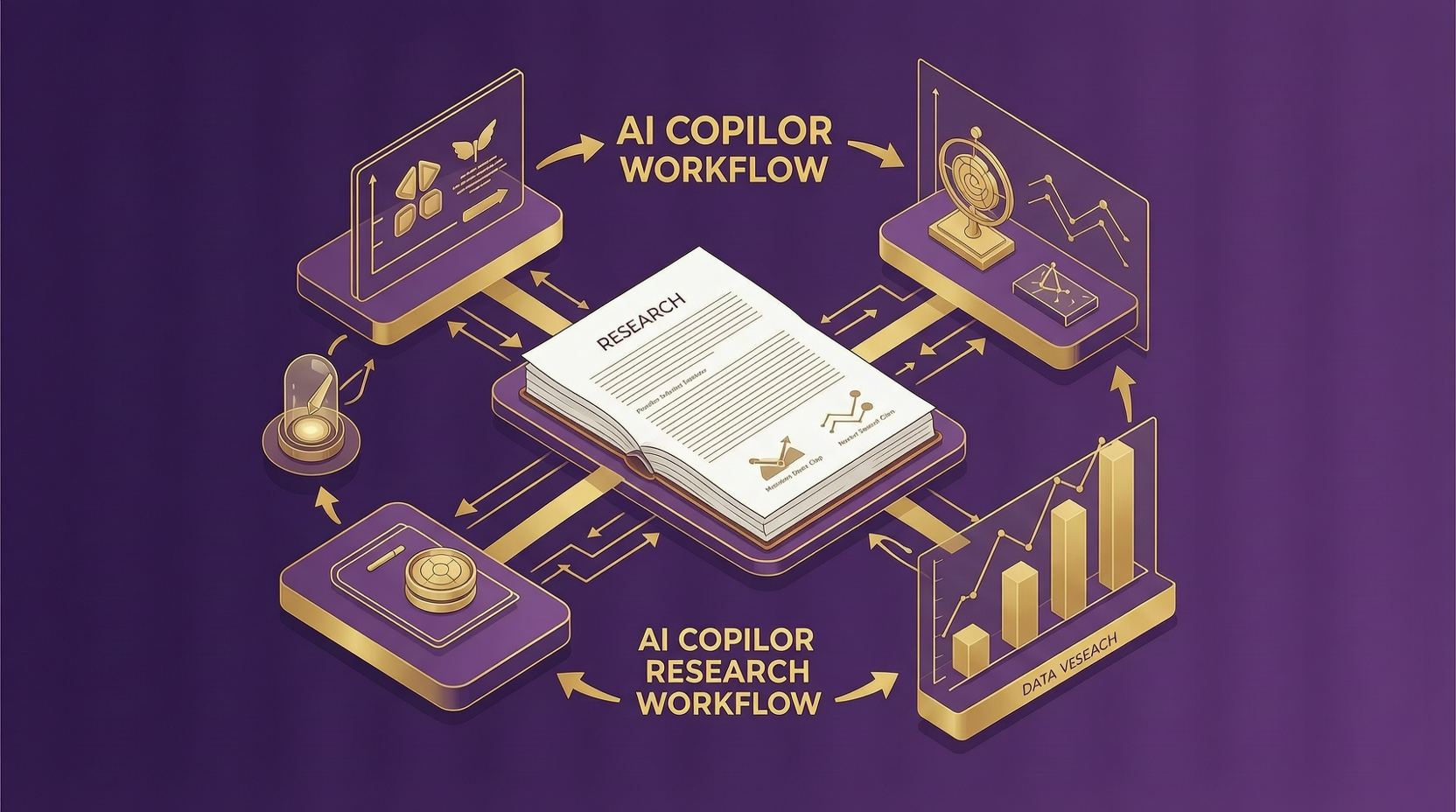
Academic Research Skills gained 8,737 new stars on GitHub in just one week, bringing its total to 17,460. It provides a complete academic research workflow—research → write → review → revise → finalize—all implemented through Claude Code's Skills mechanism. For academics, this may currently be one of the most practical AI-assisted research solutions available.

#Claude Code #Academic Research #Skills Workflow
Trends

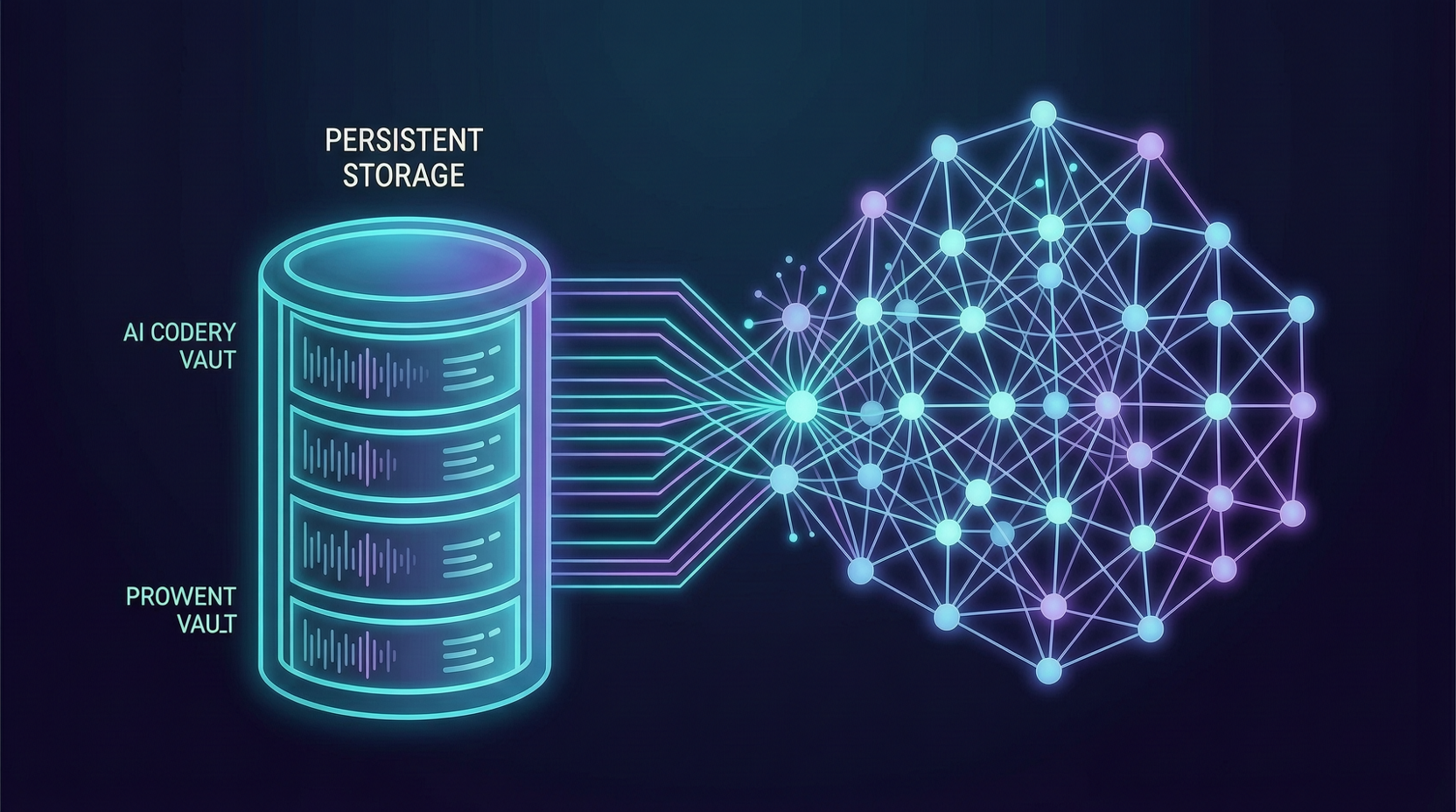
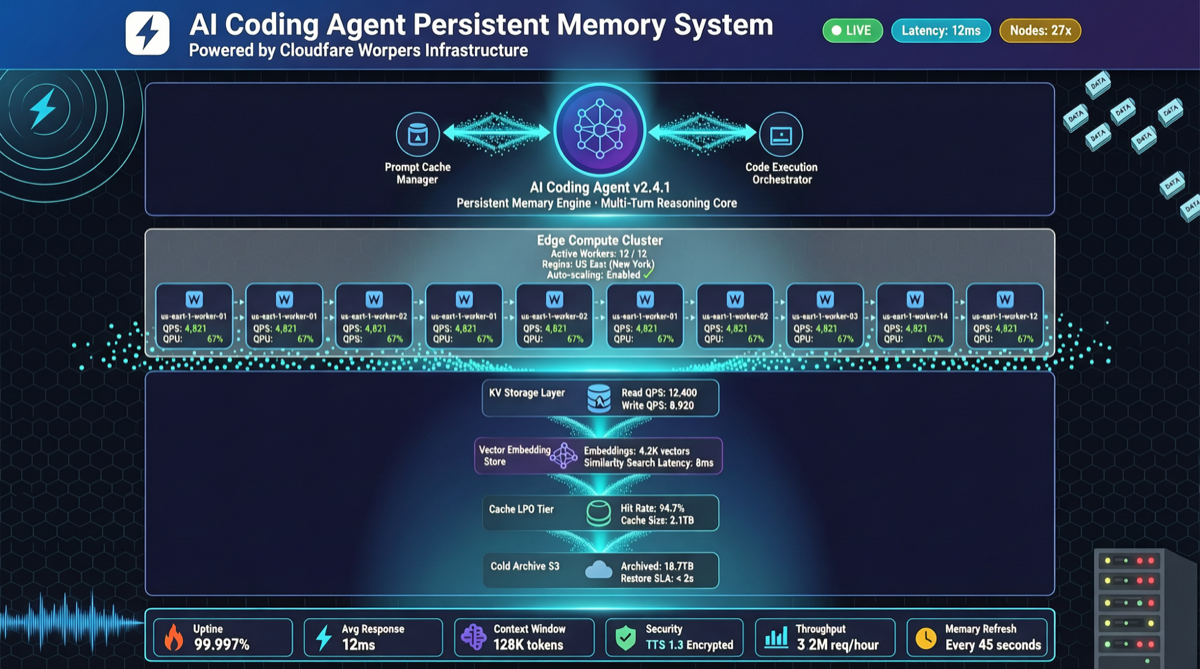
AgentMemory Goes Viral: AI Coding Agents Finally Get "Long-Term Memory", Gaining 8,000 Stars in a Week

AgentMemory has surpassed 15,000 stars on GitHub, adding nearly 8,000 in just one week. It tackles the most painful bottleneck in the AI coding agent space: every time an agent opens a project, it acts like an amnesiac, having to understand everything from scratch. By implementing a persistent memory layer, AgentMemory allows agents to truly "remember" project context.

#AgentMemory #AI Coding #Persistent Memory
Trends

CloakBrowser Gains 8,300 Stars in a Week: What Problem Is the "Stealth Browser" Solving in the AI Automation Era?

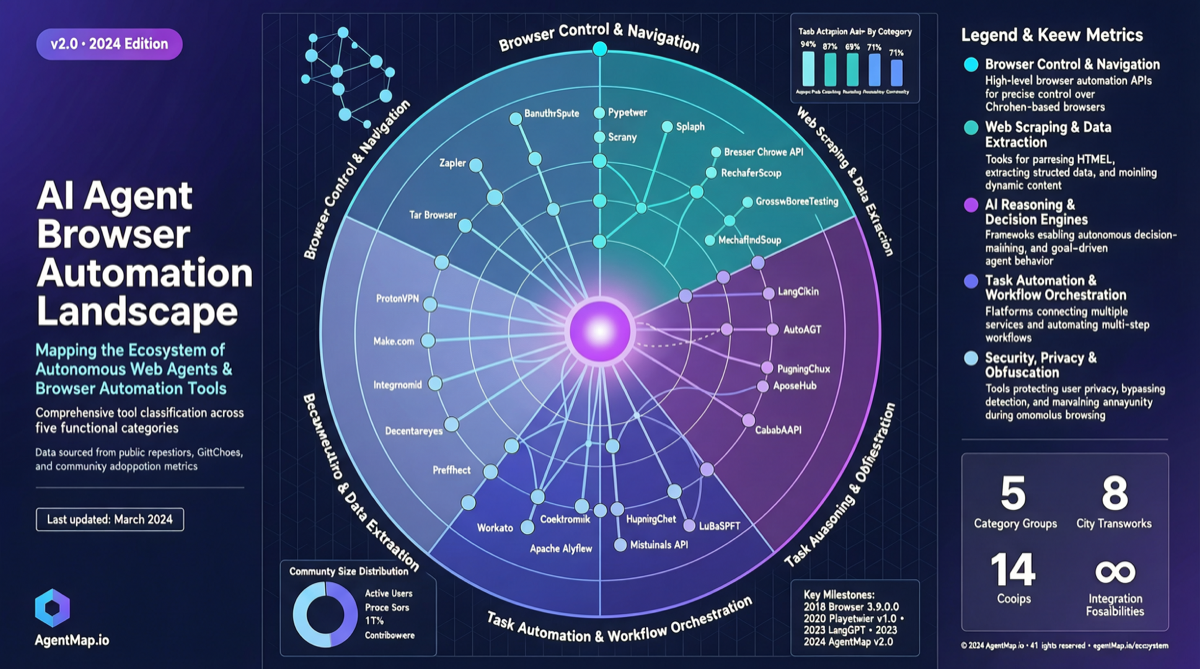
CloakBrowser gained 8,348 stars on GitHub in just one week, pushing its total past 17,900. It is a stealth Chromium browser that serves as a direct drop-in replacement for Playwright and has passed 30/30 anti-detection tests. As AI Agents increasingly handle web automation tasks, "how to avoid being identified as a bot" has evolved into an infrastructure-level challenge.

#CloakBrowser #Automation #Playwright
Trends

CodeGraph: The Secret Weapon That Equips AI Coding Tools with a "Knowledge Graph" and Cuts Token Consumption by 70%

CodeGraph gained 6,731 stars on GitHub in just one week, surpassing 11,500 in total. It tackles a big but simple task: pre-indexing a project's code knowledge graph for AI coding tools like Claude Code, Codex, and Cursor. The results are straightforward—reduced token consumption, fewer tool calls, and 100% local execution.

#CodeGraph #Knowledge Graph #Claude Code
Trends

OpenHuman Gains 19,000 Stars in a Week: The Era of Personal AI Superintelligence Has Arrived

OpenHuman added 19,177 stars on GitHub in just one week, pushing its total past 24,000. Its mission is straightforward: integrate your private data, local models, and various tools into a true AI superintelligence that belongs entirely to you. This isn't just another chatbot; it's a reconstruction of personal AI infrastructure.

#OpenHuman #Personal AI #Privacy Computing
Trends

AI Agent Workflows in 2026 Are Growing Into a New Species

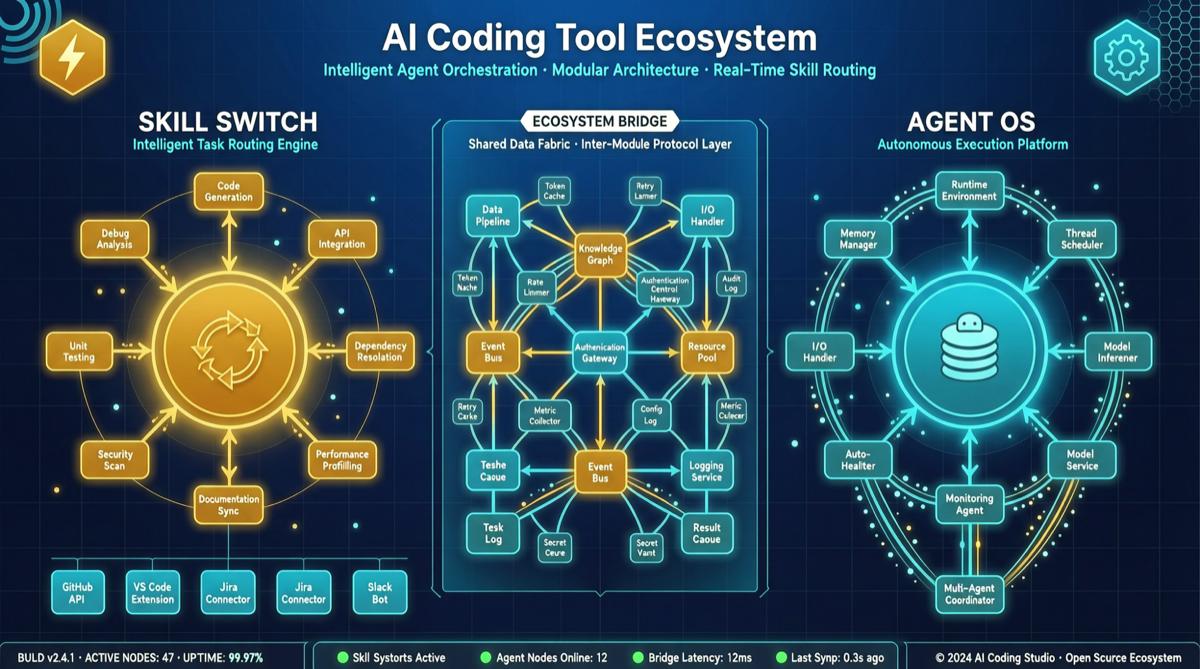
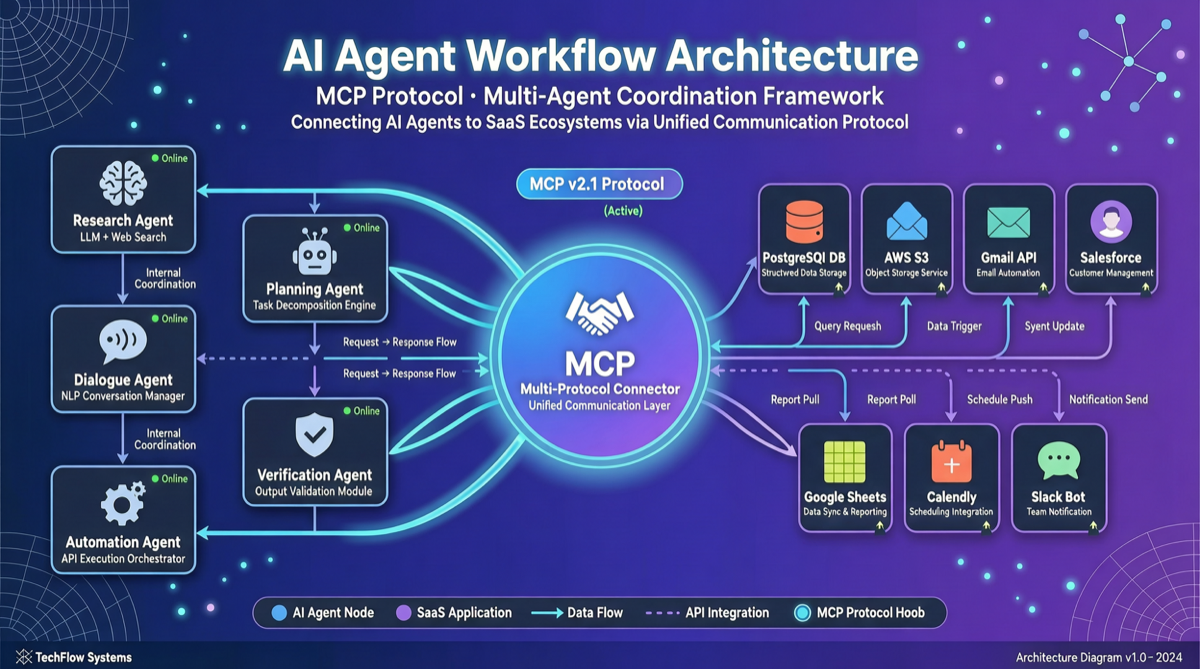
From agentmemory persistent memory, Semble efficient code search, Needle local tool calling, to Sx AI skills package management - the AI Agent tool ecosystem is evolving from scattered plugins into structured workflows. What does this evolutionary path mean?

#AI Agent #Workflow #MCP
Trends

Agent Code Search Saves 98% Tokens vs grep: How Semble Does It

MinishLab/semble is a code search tool designed specifically for AI agents, claiming to save approximately 98% of tokens compared to traditional grep+read approaches. In an era where every agent context window burns money, this tool hits a painfully precise pain point.

#Code Search #AI Agent #Token Optimization
Trends

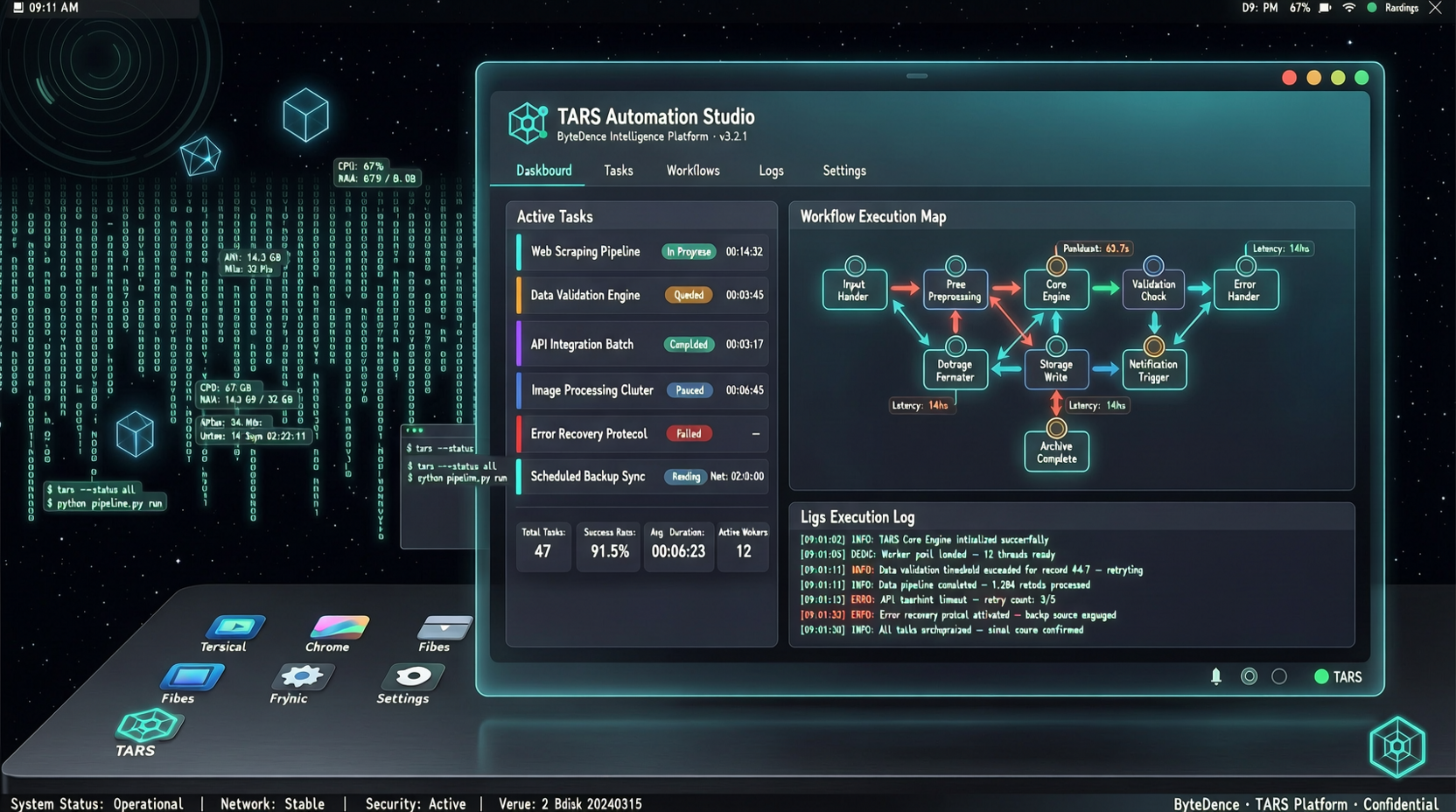
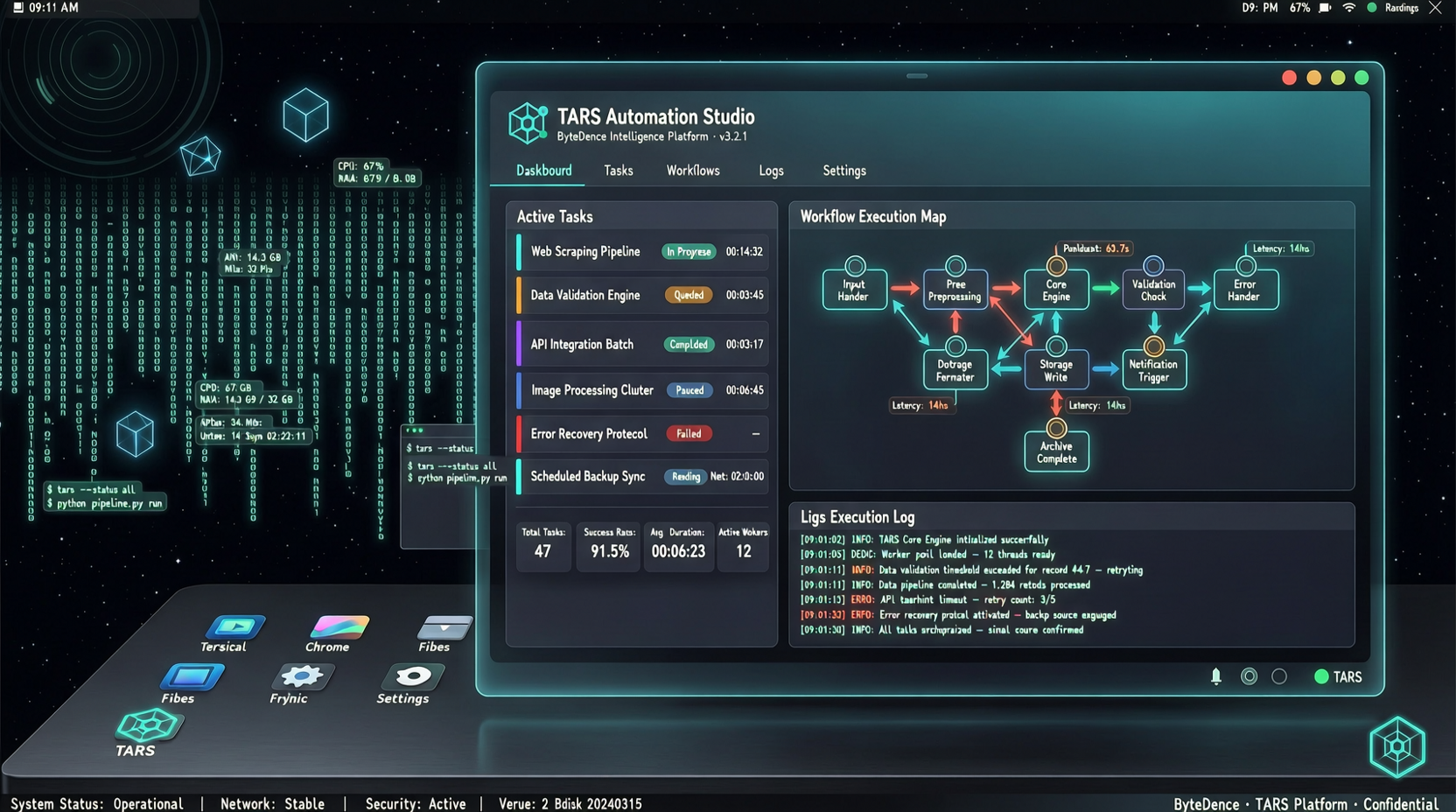
ByteDance’s UI-TARS-desktop Is Open-Sourced: A Multimodal Agent Stack—34K Stars, But Not Yet Ready for Production Use

ByteDance has open-sourced UI-TARS-desktop, now with 34.1k total GitHub stars—gaining 3,529 stars in just one week. Positioned as a “multimodal agent stack bridging cutting-edge AI models and agent infrastructure,” it currently resides at the framework layer and remains far from plug-and-play desktop automation.

#ByteDance #UI-TARS #Multimodal Agent
Trends

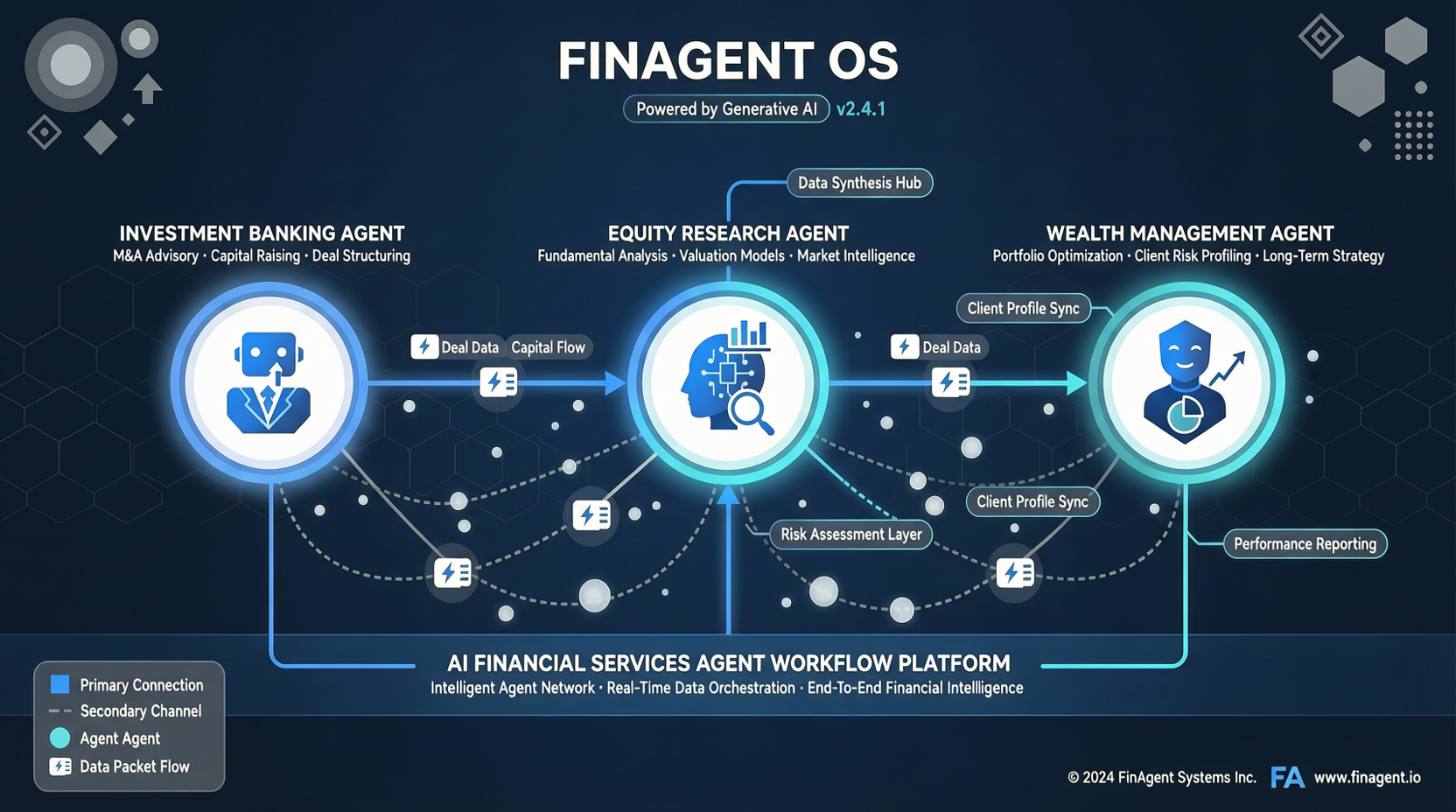
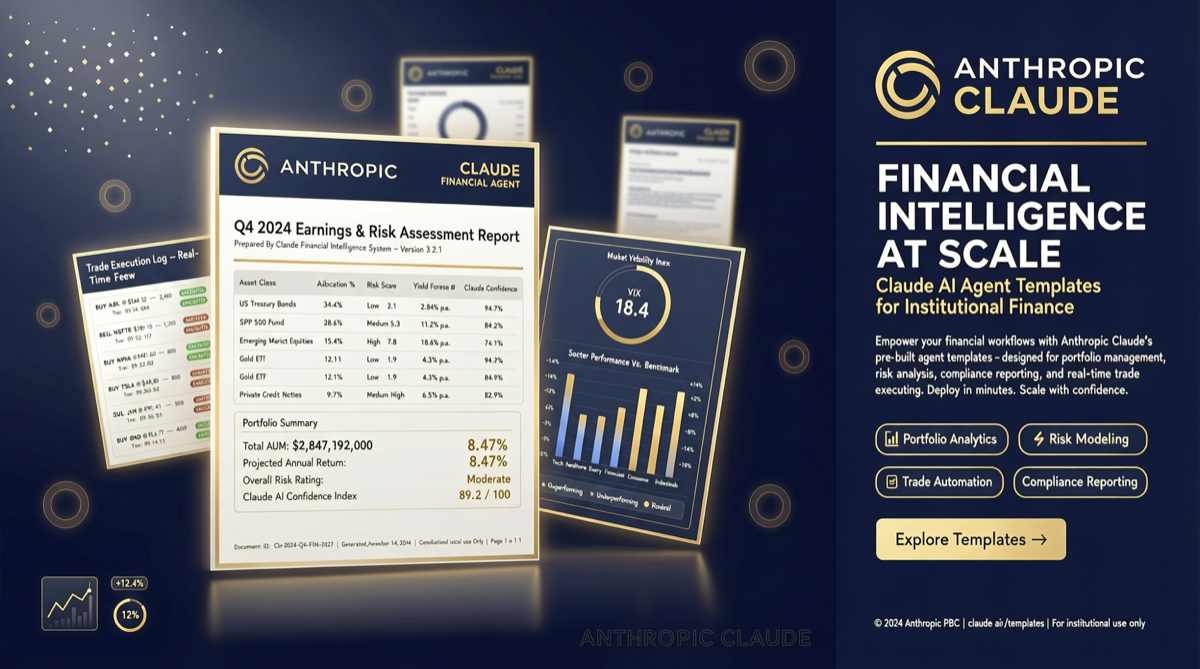
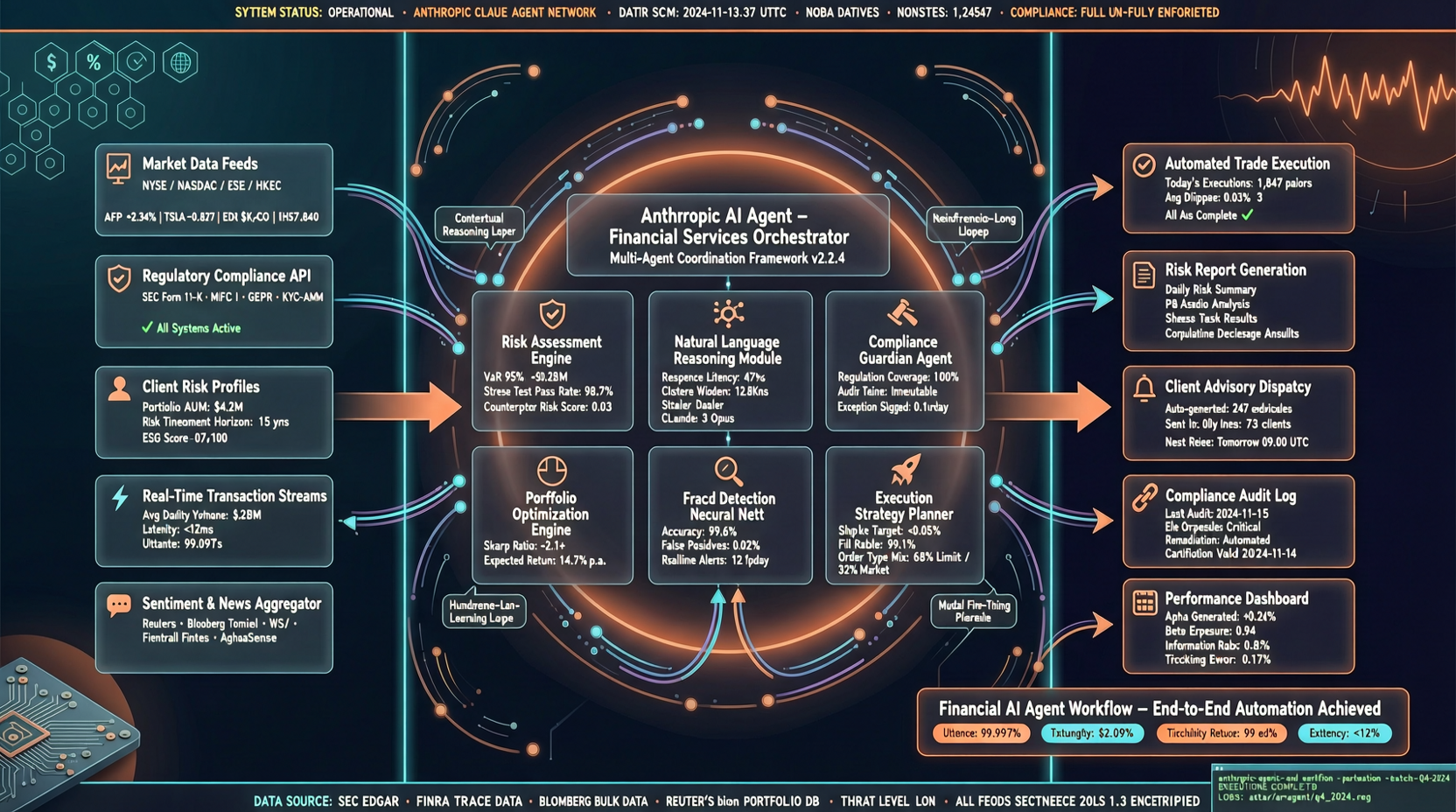
Anthropic Open-Sourced 10 Financial Agent Templates: A Breakdown of Each One

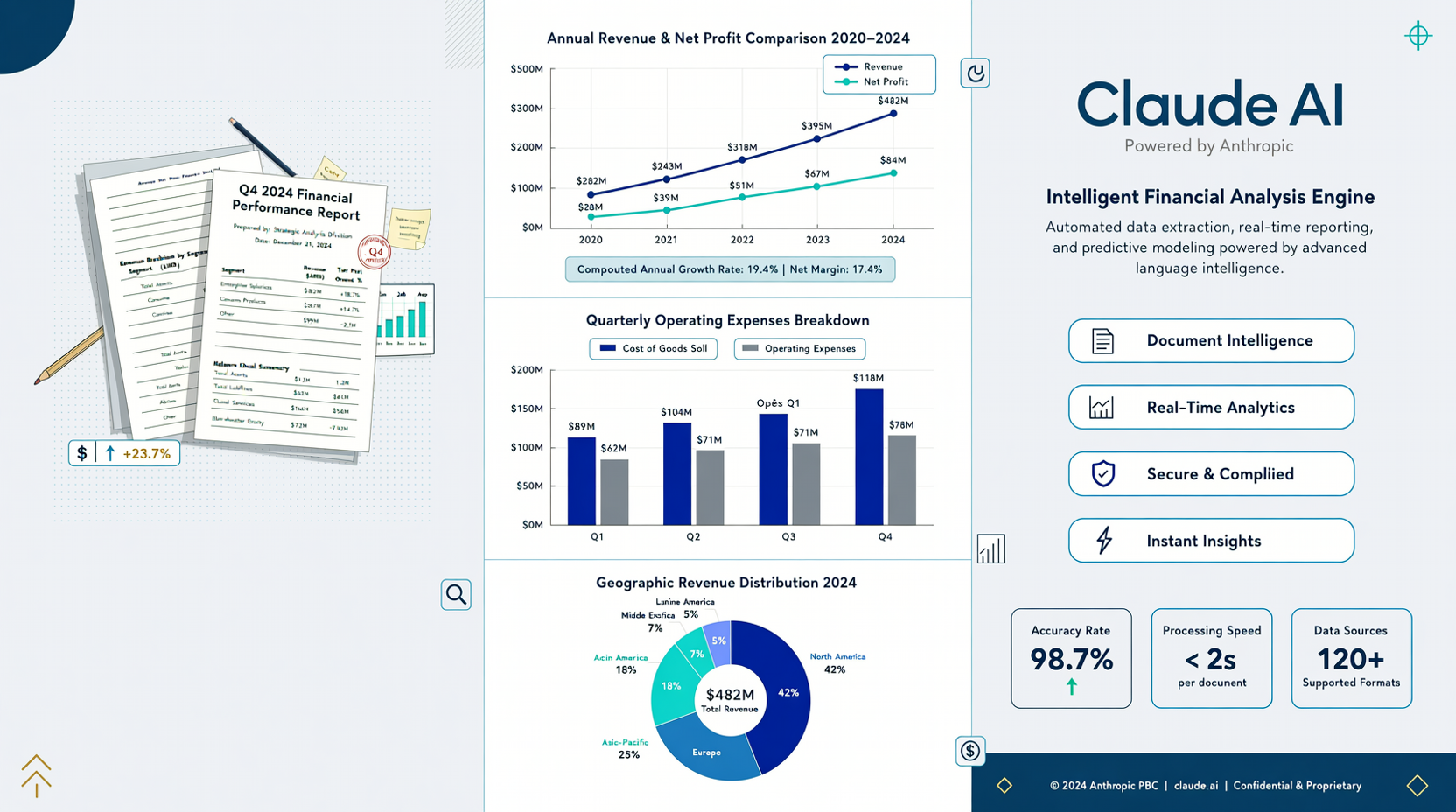
Anthropic's financial-services repo gained 12,529 stars this week, totaling 22.8k. It contains 10 Claude Managed Agent templates for the financial industry, from earnings review to month-end close. A walkthrough of each template's problem and applicable scenarios.

#Anthropic #Claude #Financial Services
Trends

Codex in the ChatGPT Mobile App: Mobile Coding Is Finally Not a Gimmick

OpenAI announced Codex is now in the ChatGPT mobile app. This is not a simple feature addition—it means developers can complete the full flow from requirements analysis to code execution on their phones. After testing, some scenarios are ready, others need patience.

#OpenAI #Codex #Mobile Development
Trends

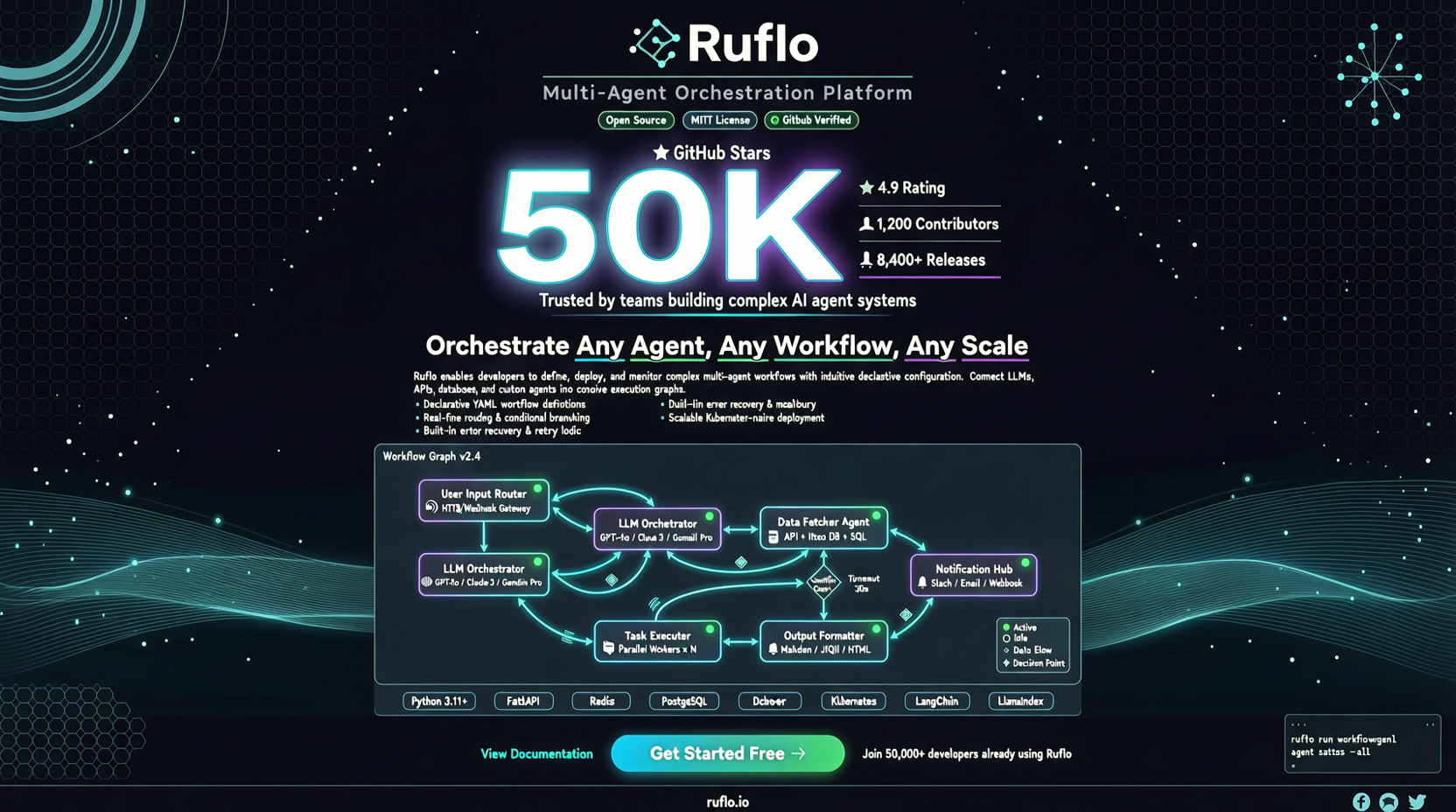
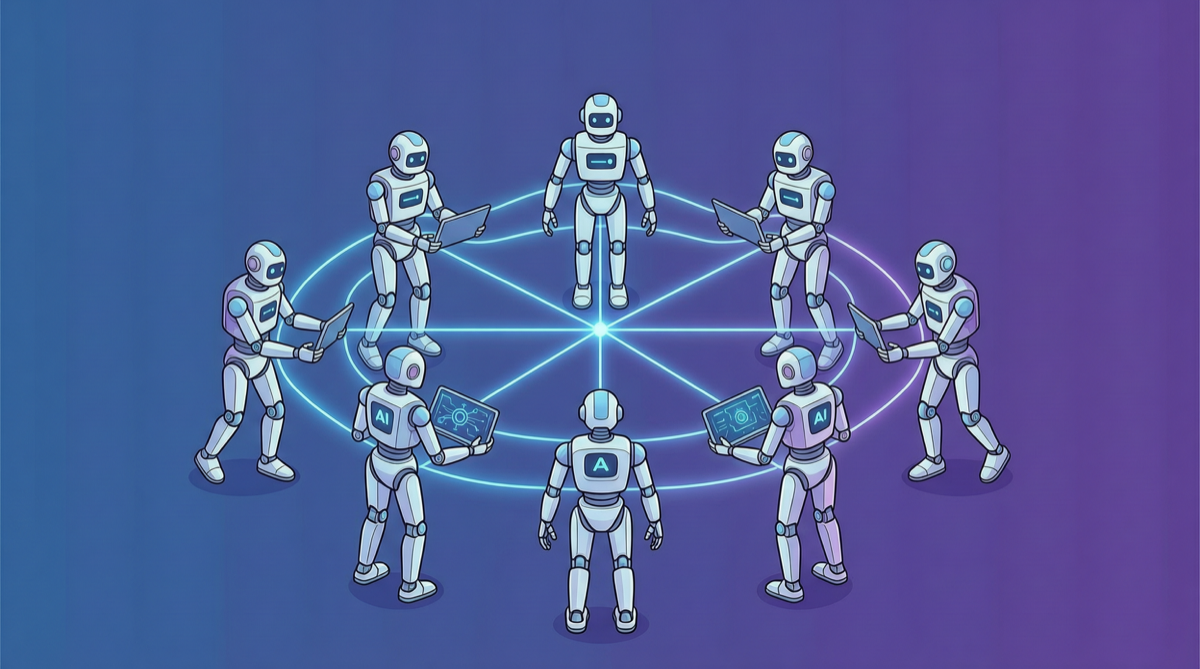
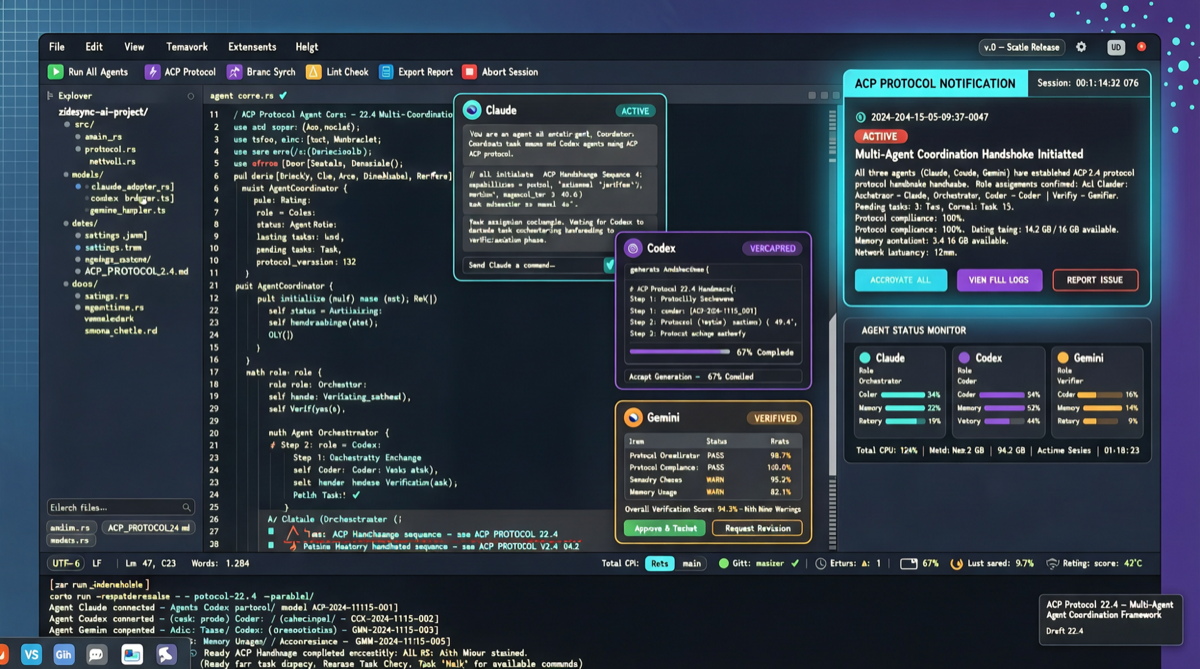
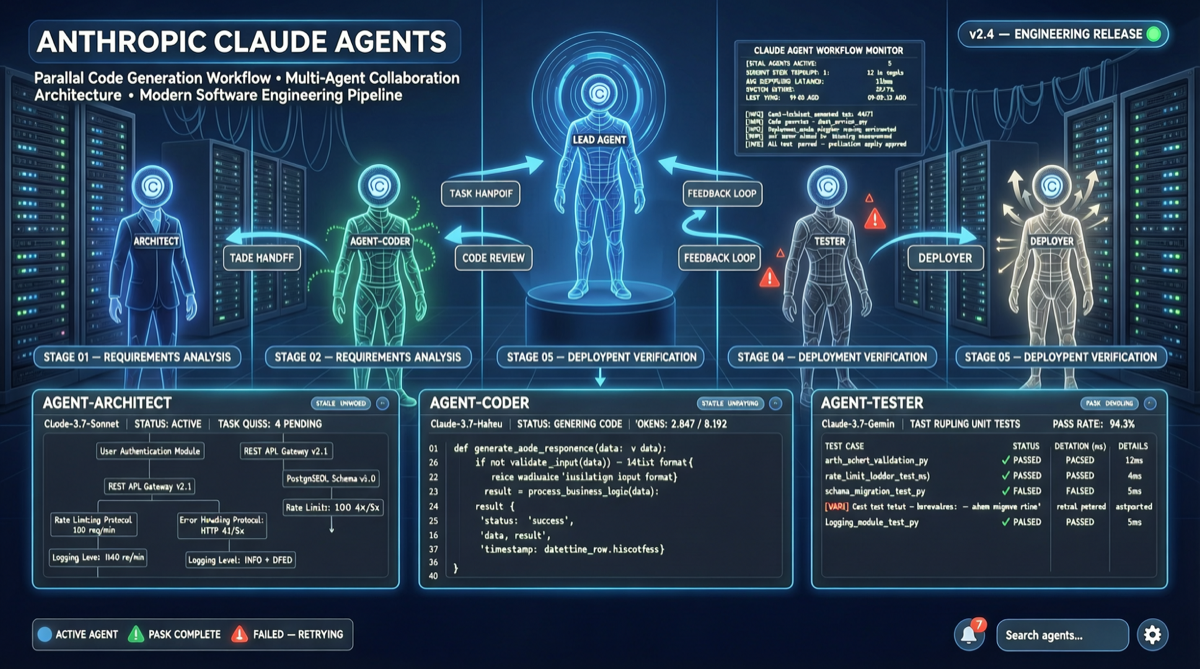
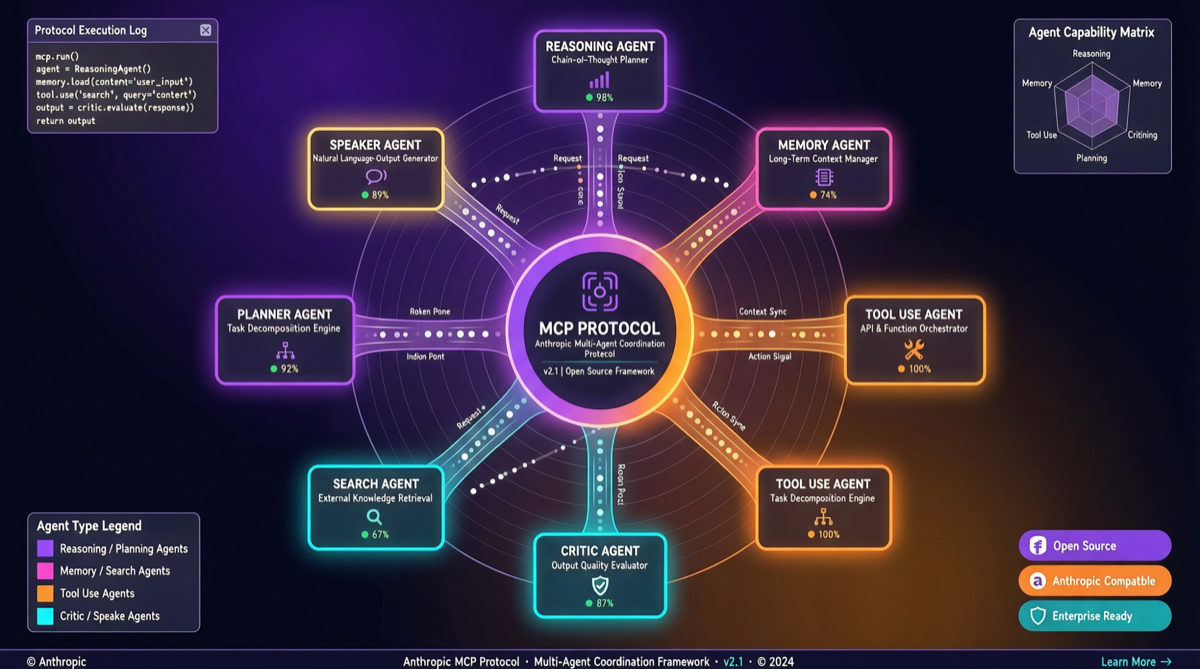
Ruflo Hits 50K Stars: How Does Claude’s Multi-Agent Orchestration Platform Work?

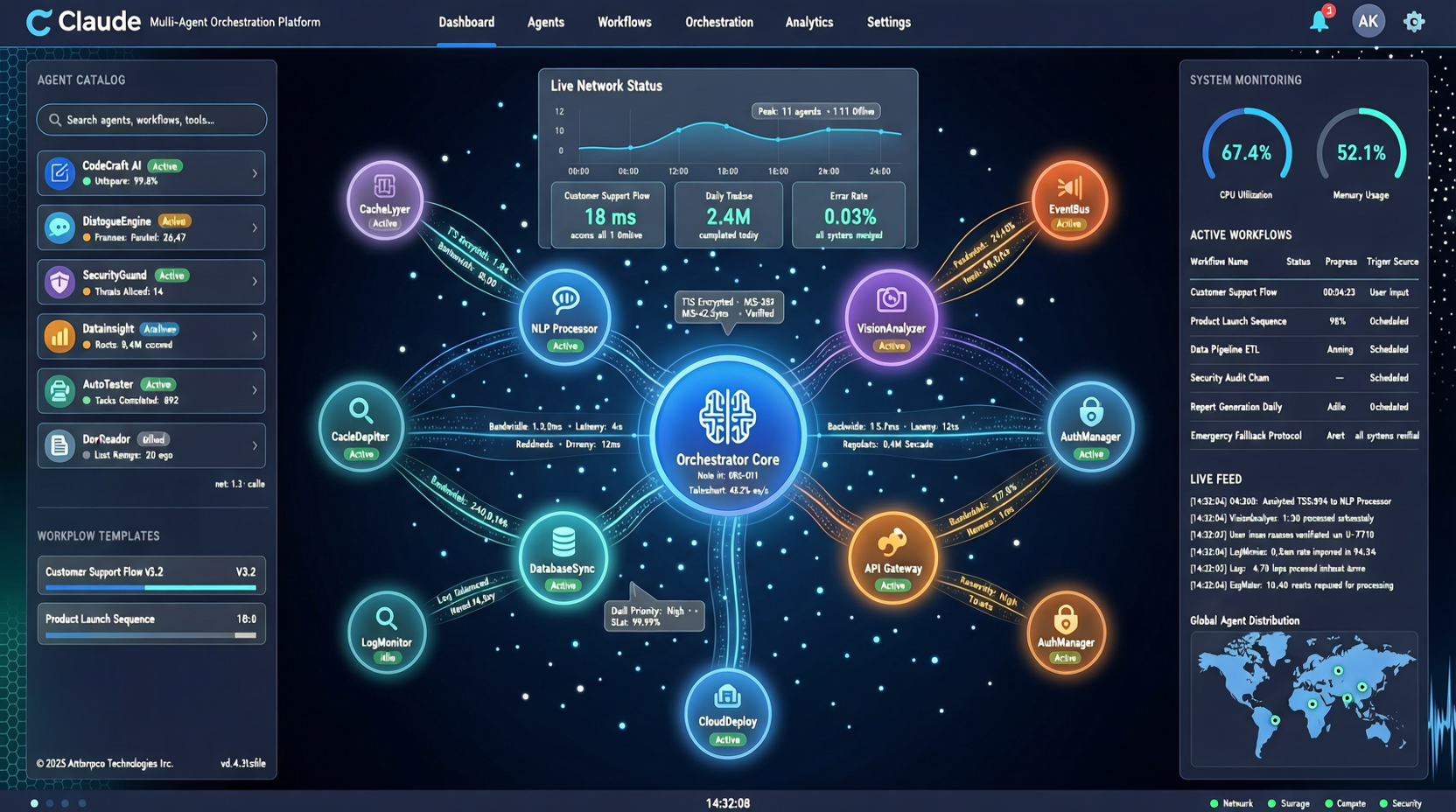
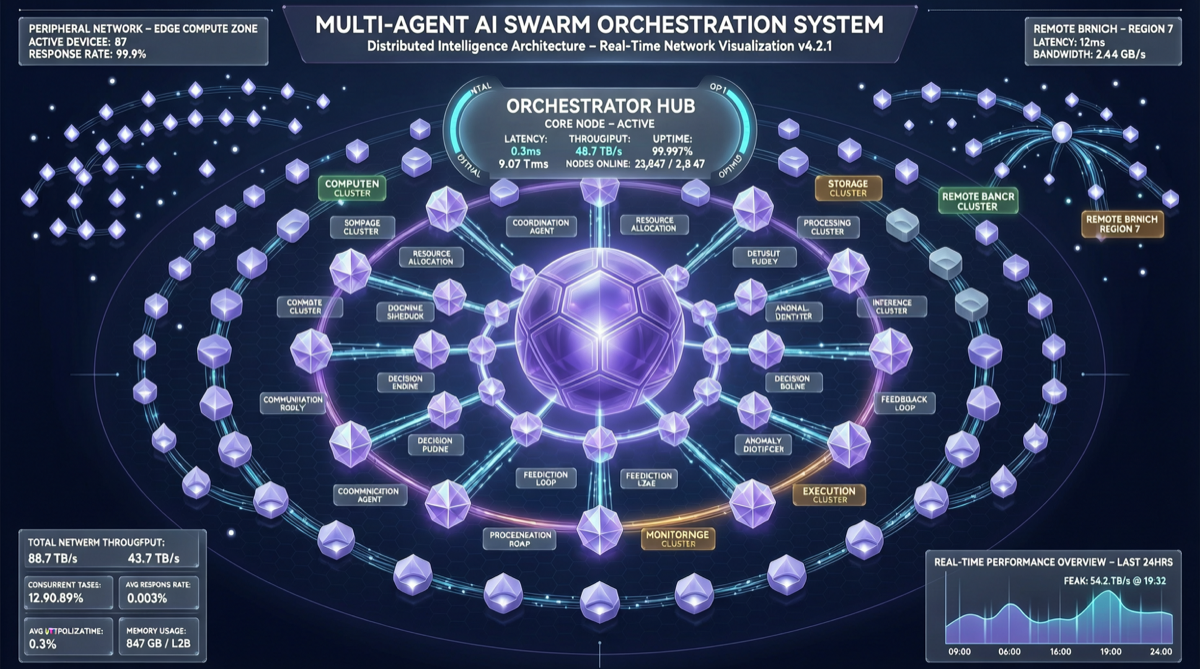
Boasting 50K stars, 6,407 commits, and 1,475 tags, Ruflo is billed as the "leading Claude Agent orchestration platform." It supports multi-agent swarm collaboration, autonomous workflows, RAG integration, and native Claude Code/Codex integration. It recently completed a full Codex ↔ Ruflo integration.

#Ruflo #Agent Orchestration #Claude
Trends

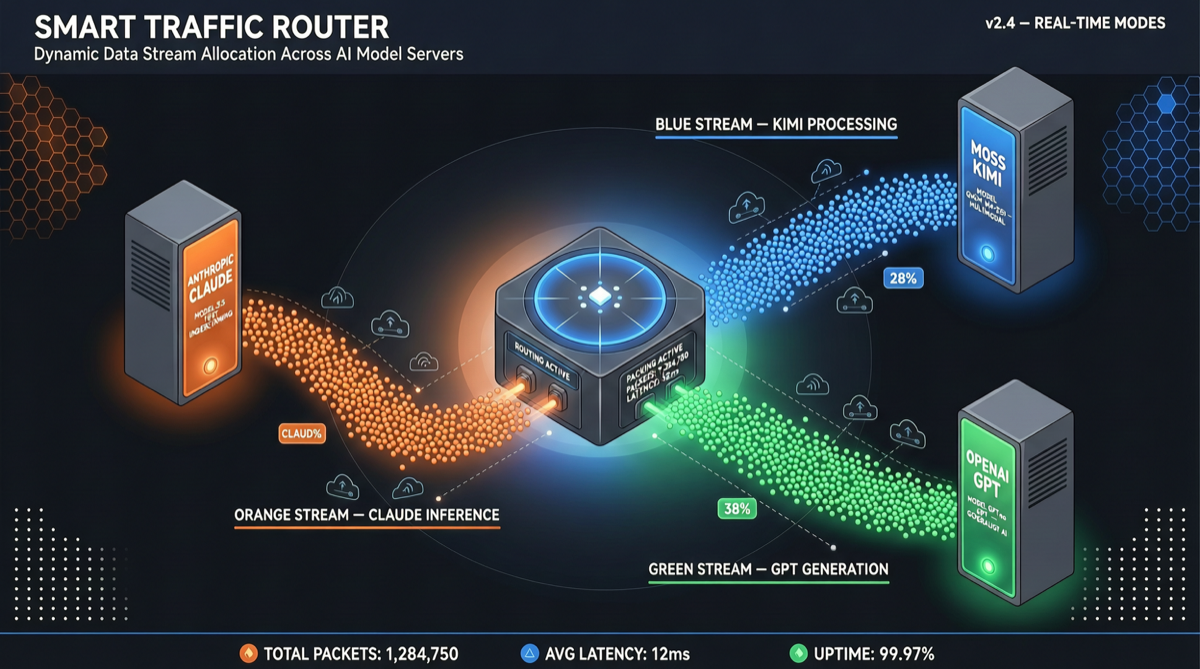
AI Is No Longer a Single Model — It's an Entire Stack

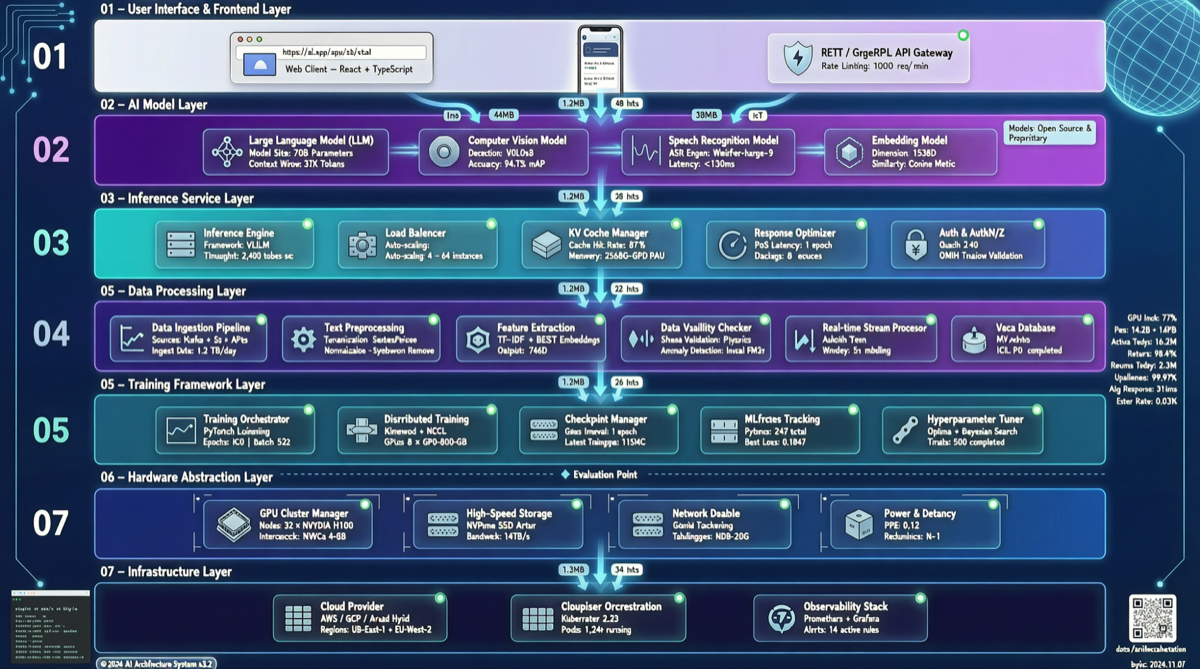
AI products in 2026 are no longer about picking one model and being done. From base models to reasoning layers, tool calling, memory systems, to final user interfaces — each layer has different costs, performance, and vendor lock-in risks. Understanding this stack matters more than picking the right model.

#AI Architecture #Model Stack #AI Engineering
Trends

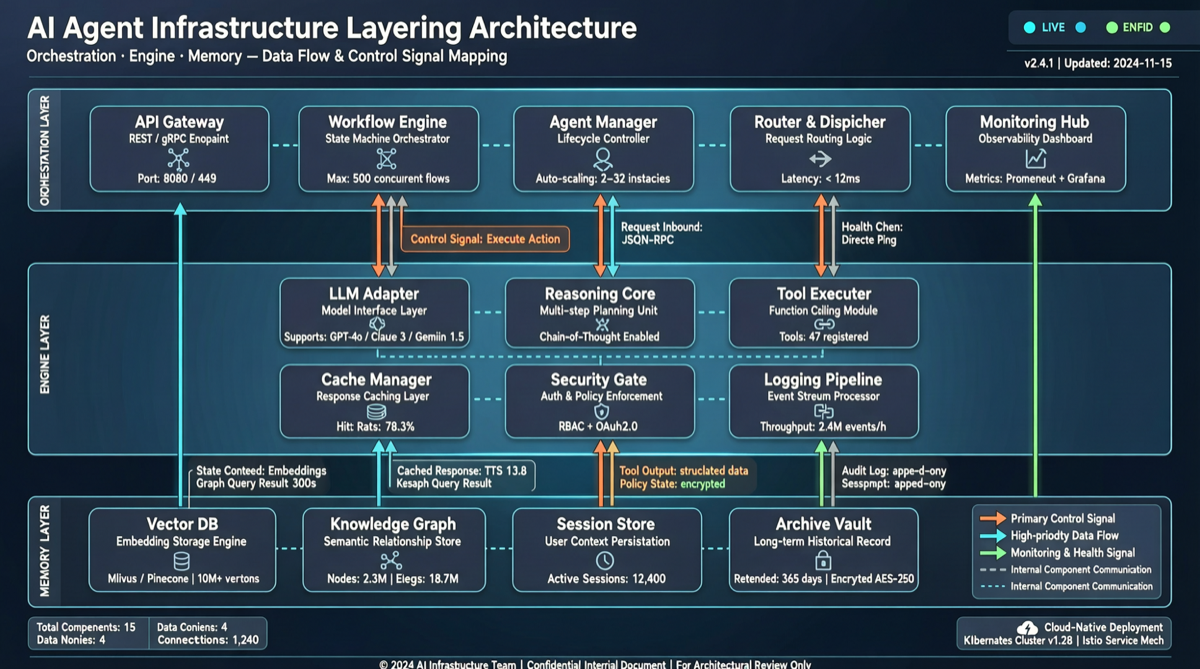
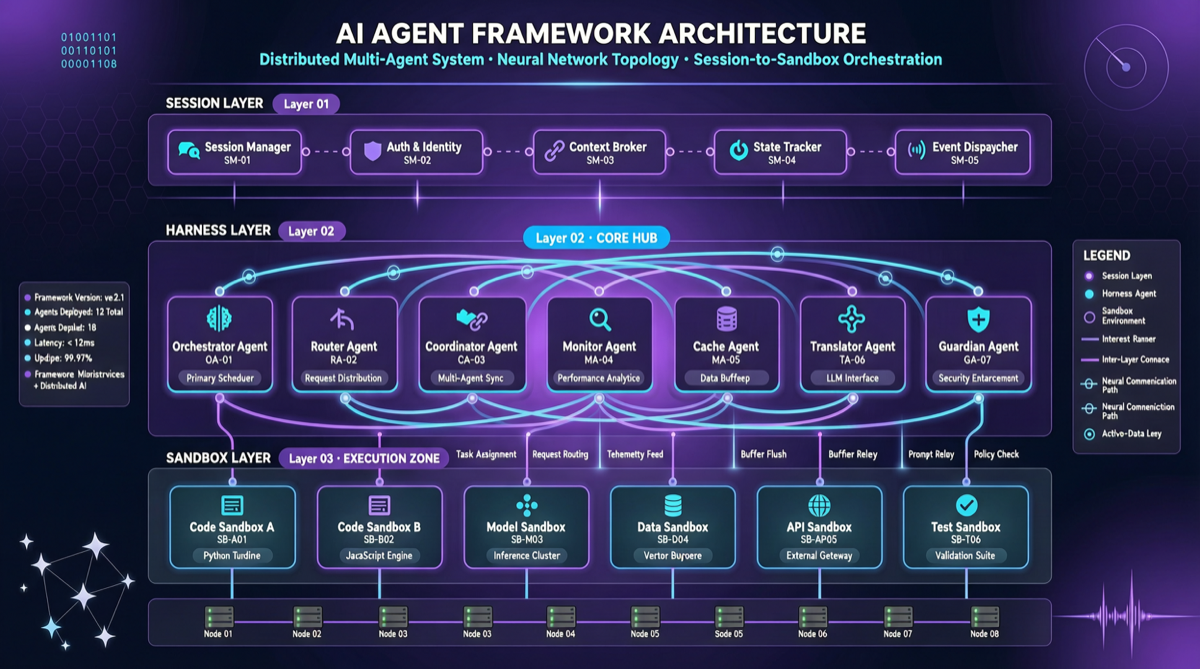
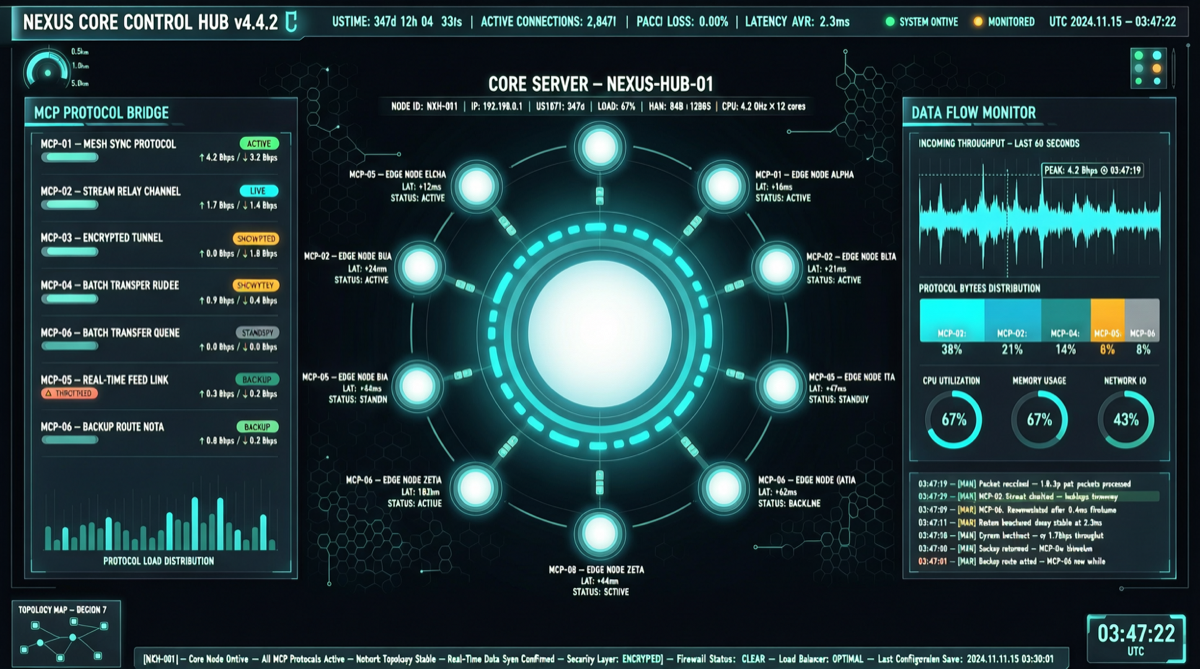
AI Agent Infrastructure Is Layering: Orchestration, Engine, and Memory - A Three-Tier Pattern Emerges

This week's GitHub Trending shows AI Agent infrastructure shifting from monolithic frameworks to a layered architecture: upper-level orchestration, bottom-layer engines, and persistent memory each handling their own domain. This layering isn't coincidental — when a technology matures to the engineering stage, infrastructure naturally differentiates.

#AI Agent #Infrastructure #Ruflo
Trends

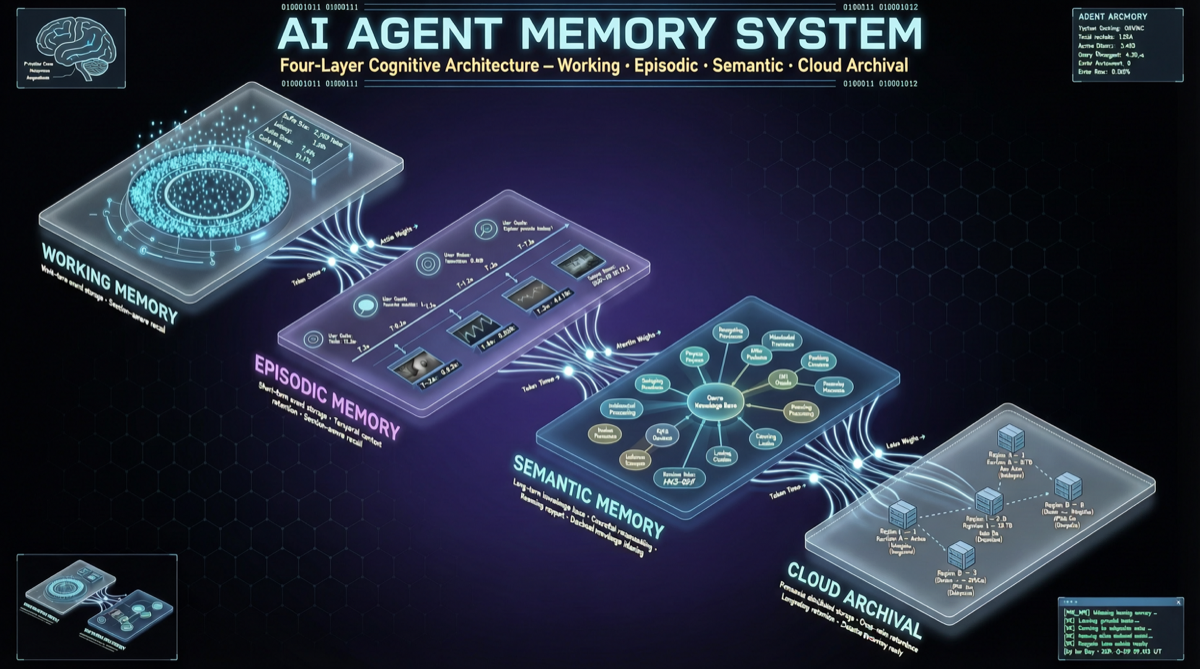
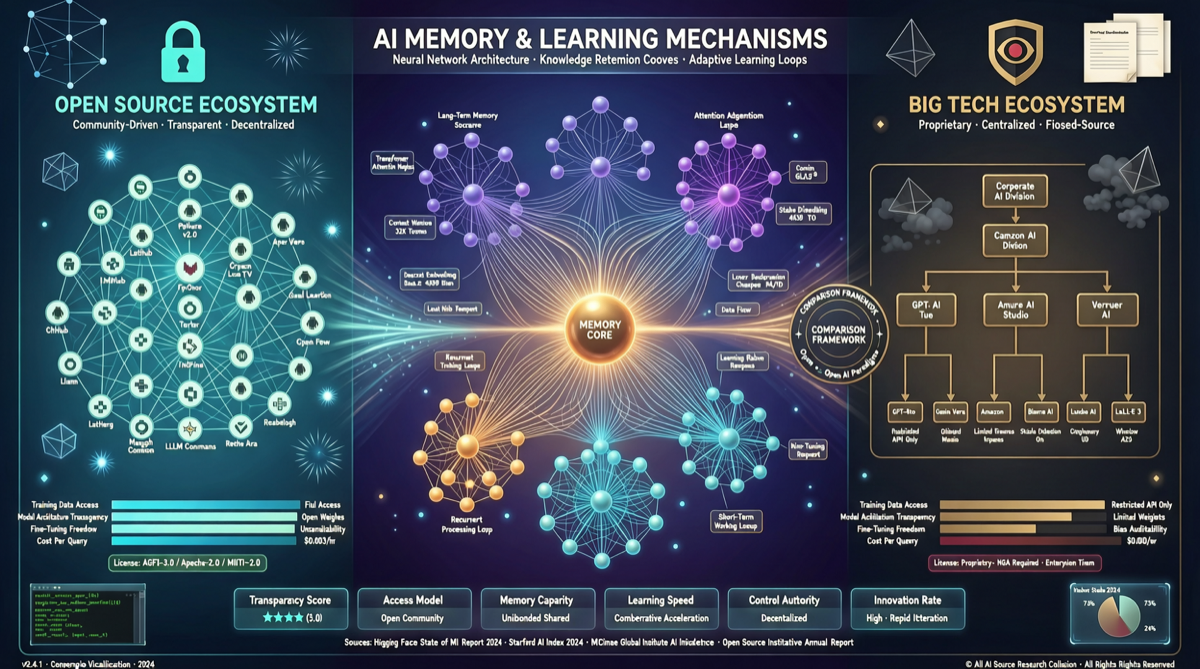
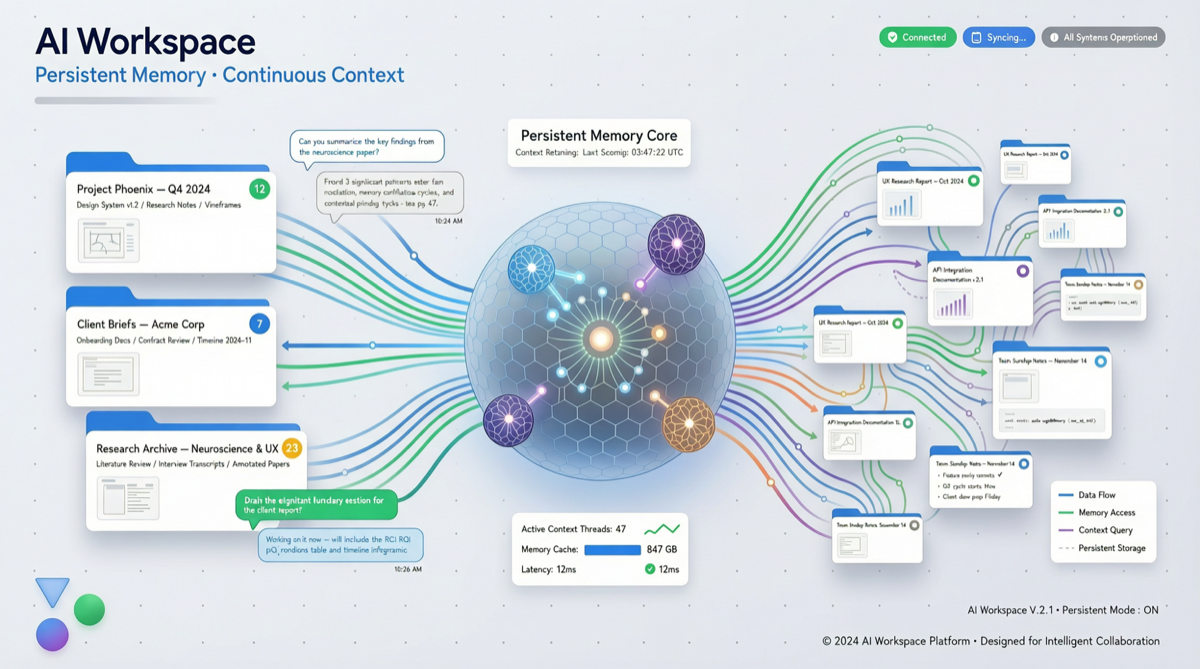
AI Agents Have Goldfish Memory: Someone Is Building a Memory OS for Agents

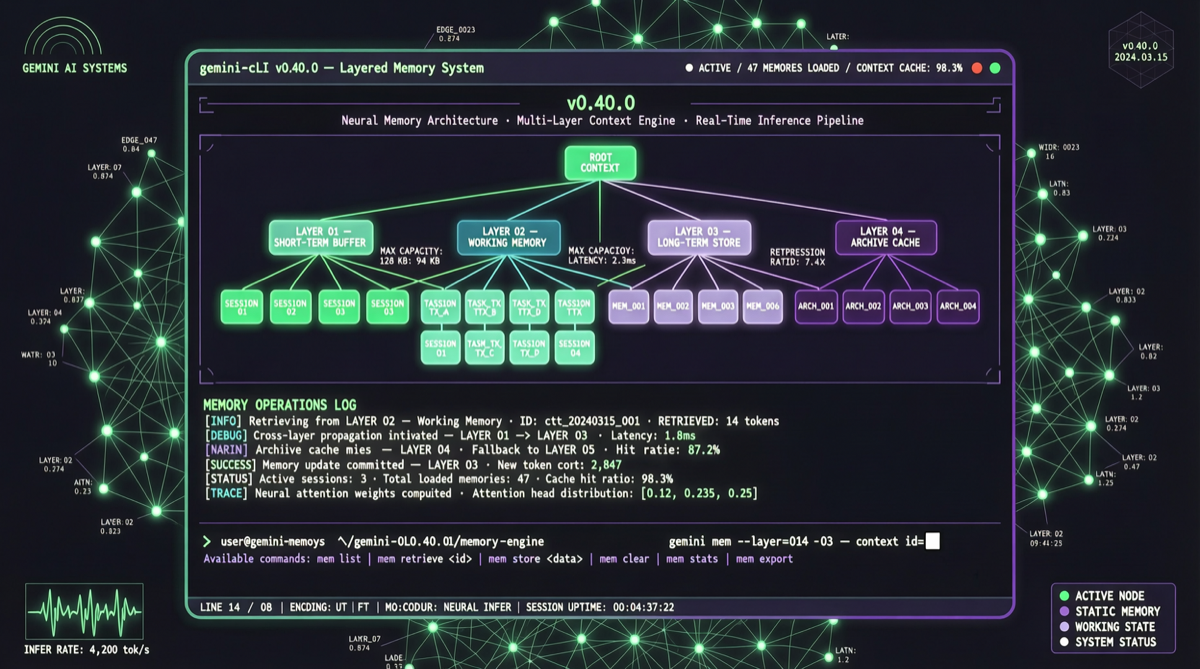
Current AI agents have session memory like goldfish — new session means zero memory. A new project is building a four-layer Memory OS: working memory, event graphs, semantic compression, and cloud archival, giving agents true persistent memory.

#AI Agent #Memory System #Agent Framework
Trends

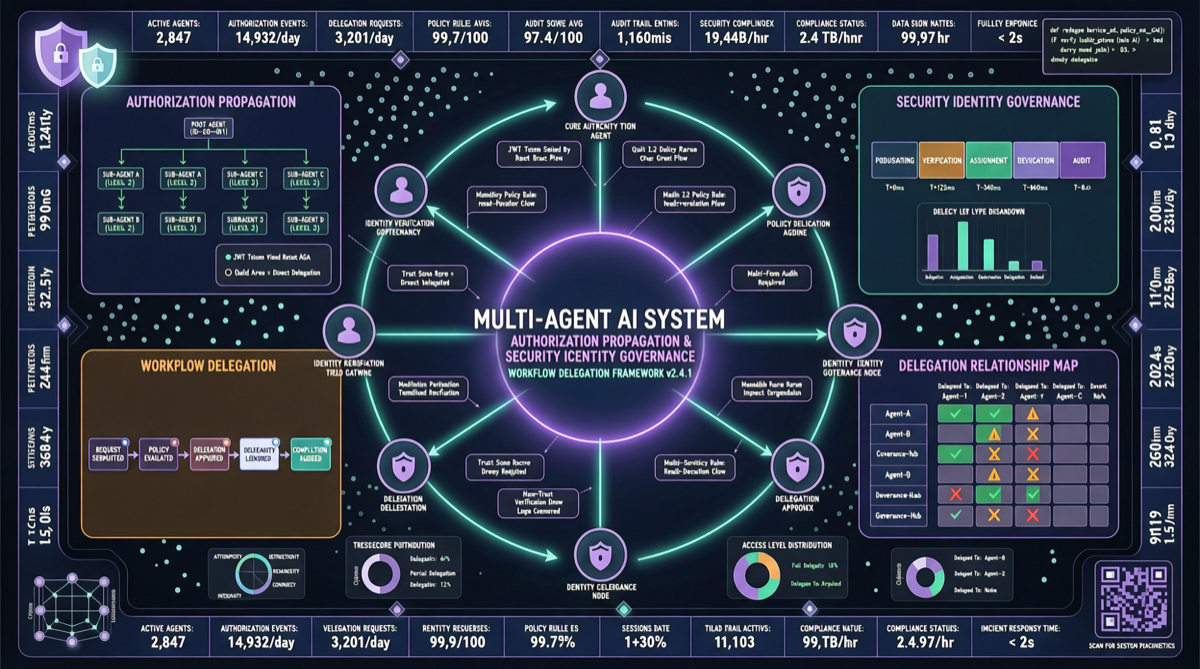
The Authorization Propagation Problem in Multi-Agent Systems: When AI Agents Start Delegating Tasks, Permission Management Is Breaking

A new arXiv paper argues that multi-agent AI systems face a distinct authorization problem: when non-human principals retrieve data, delegate tasks, and synthesize results across changing boundaries, classical access control models cannot maintain authorization invariants. The paper formalizes three sub-problems and derives seven architectural requirements.

#Agent Security #Authorization Propagation #Multi-Agent
Trends

Anthropic Opens Its Security Bug Bounty to Everyone on HackerOne

Anthropic publicly launches its security bug bounty program on HackerOne, expanding from an internal security research community to everyone. Vulnerabilities found during private operation already helped harden their products.

#Anthropic #AI Safety #Bug Bounty
Trends

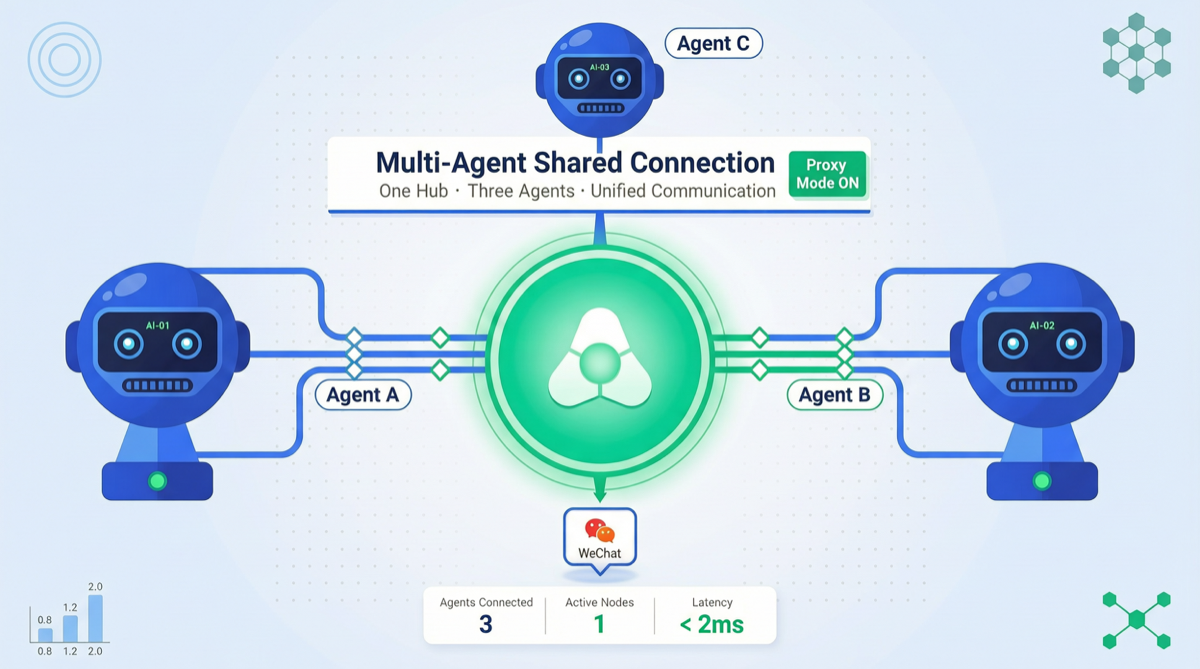
WeClone: Train Your AI Digital Twin from Chat History

WeClone fine-tunes LLMs with chat history to create personal digital twins, supports WeChat bot binding. v0.2.0 optimizes training efficiency, letting anyone replicate their speaking style.

#Digital Twin #Model Fine-tuning #LoRA
Trends

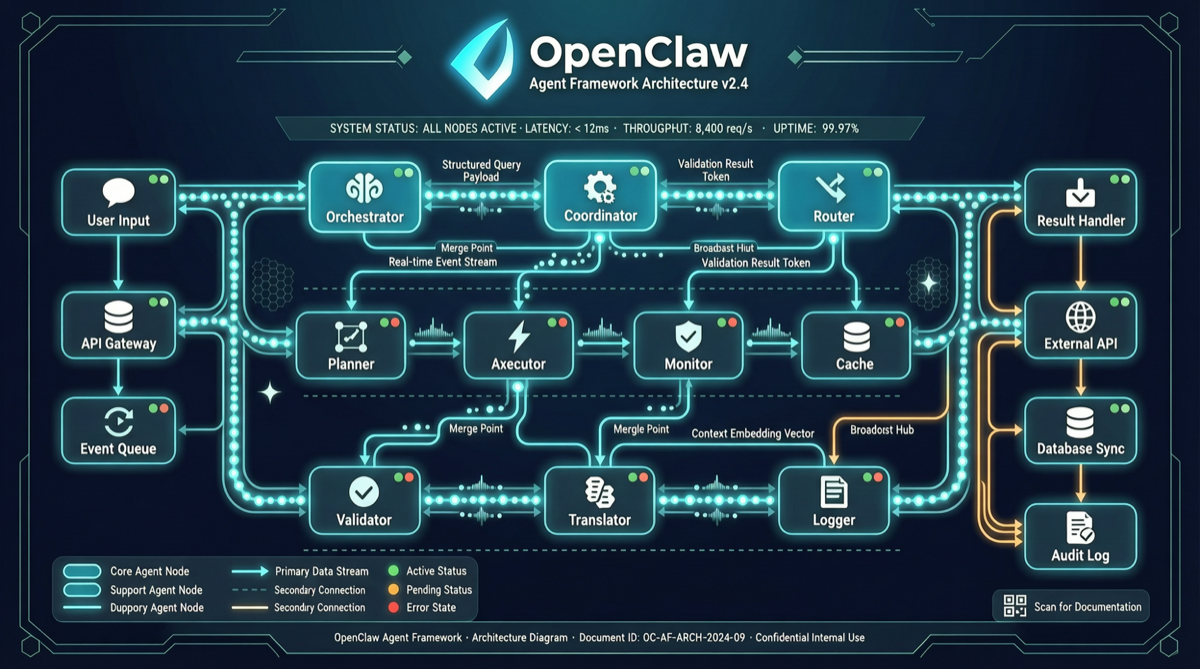
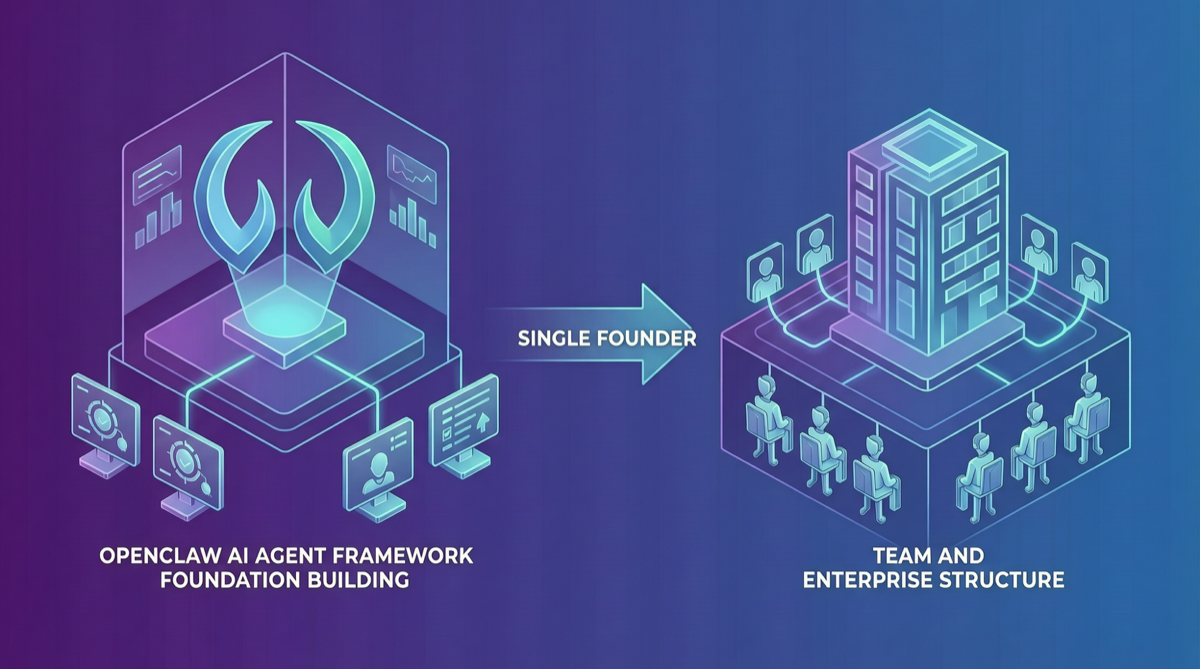
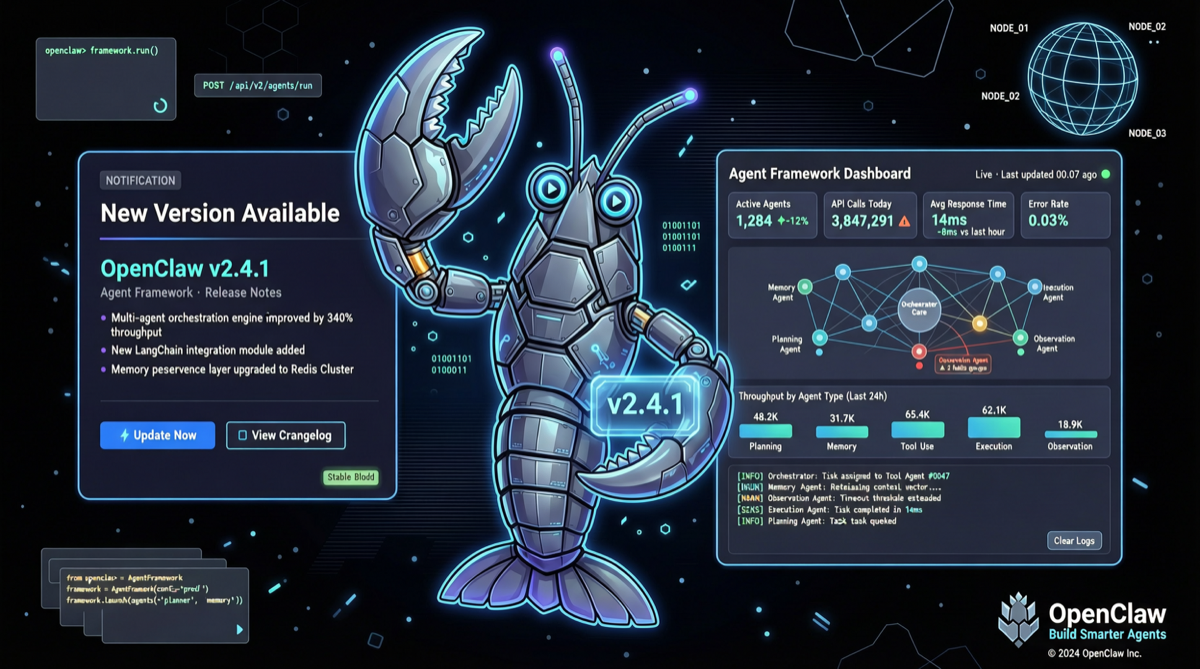
OpenClaw v2026.5.x Double Release: The Agent Framework "Stability Battle" Has Begun

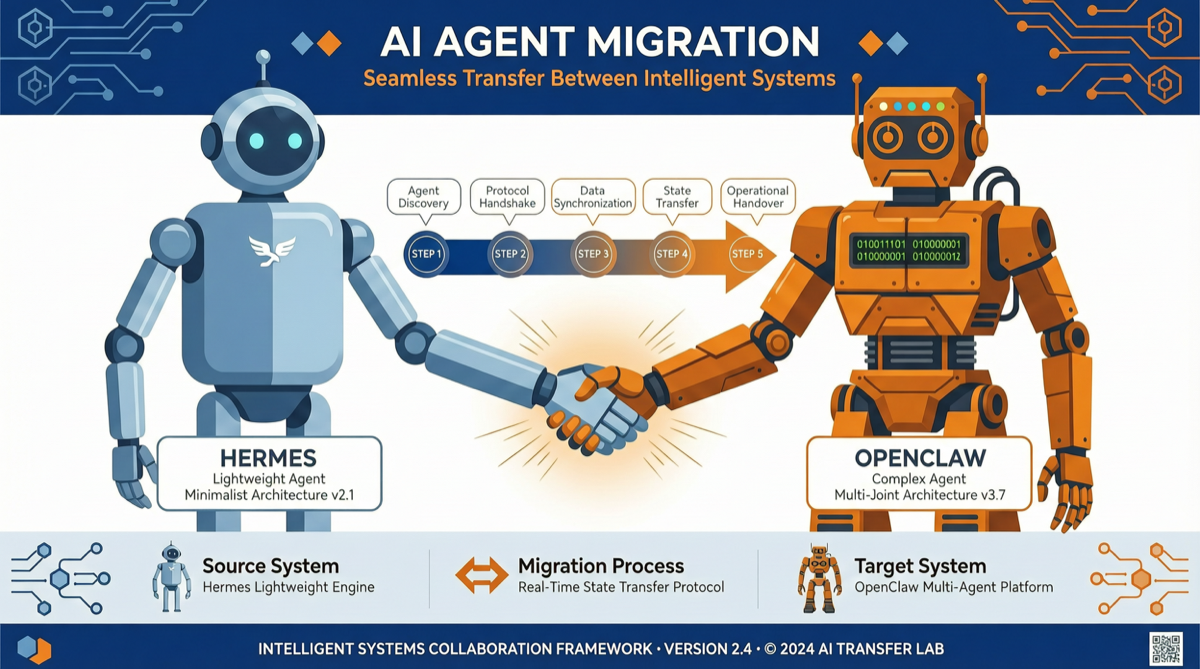
OpenClaw releases v2026.5.3 and v2026.5.5 within 48 hours: the former introduces a bundled file-transfer plugin and Gateway performance optimizations, the latter focuses on channel reliability and daily Agent workflow stability polishing, marking Agent frameworks shifting from feature competition to quality competition.

#OpenClaw #Agent Framework #File Transfer
Trends

OpenClaw 2026.5.6 Release: Doctor Fixes Codex OAuth, Infrastructure Hardening Continues

OpenClaw releases version 2026.5.6 maintenance update, with core fixes including Doctor module no longer interfering with Codex OAuth routes, Plugin Fetch handling abnormal headers, and Web Fetch timeout optimization. 742 likes and 61,000 views reflect the community's high attention to infrastructure stability.

#OpenClaw #Version Release #Codex
Trends

Eric Schmidt: The Easiest Way to Make Money in 2026—Found an Agentic AI Company

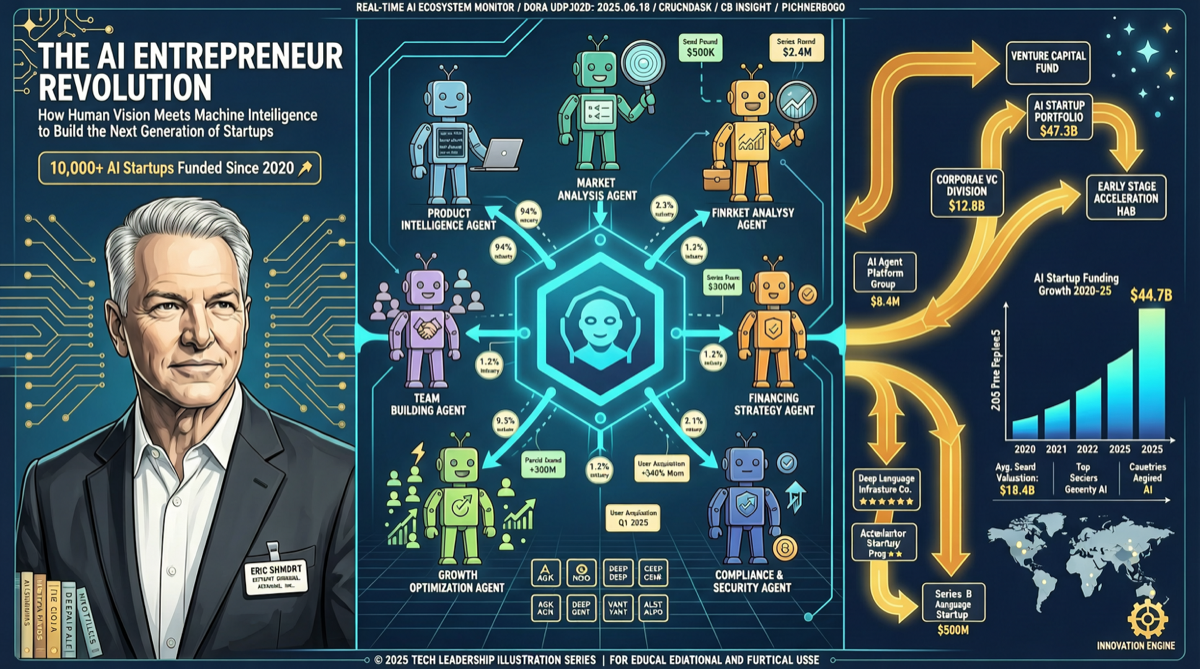
Former Google CEO Eric Schmidt stated "if you want to make money, founding an agentic AI company is actually easy." AI VC funding surged 4.5X QoQ in Q1 2026, Jensen Huang predicts "every engineer will manage hundreds of agents." The signals for 2026 Agent entrepreneurship are clear.

#Eric Schmidt #Agentic AI #Startups
Trends

Claude Opus Can Now Find You the Cheapest Flights, Open Source

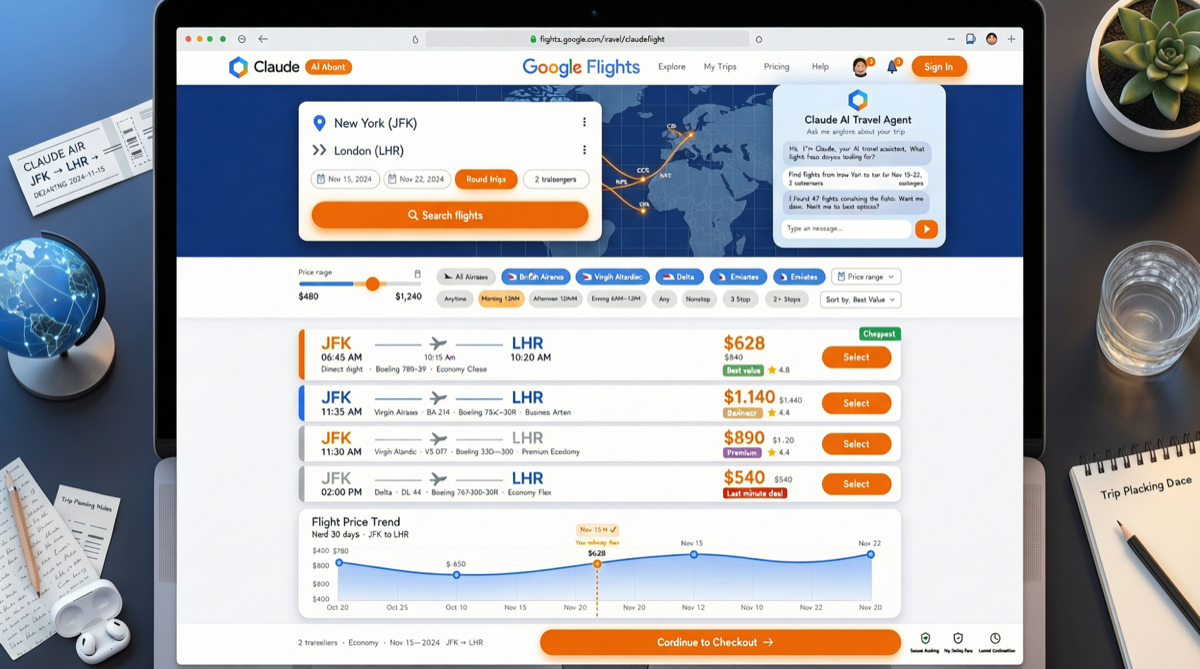
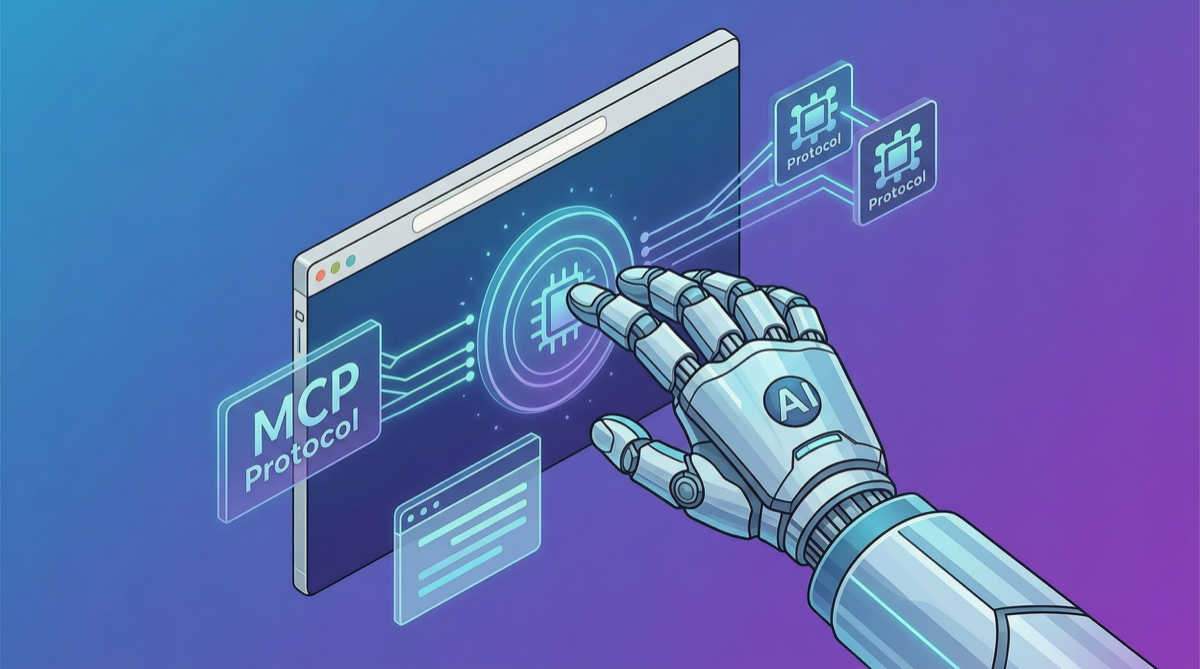
Someone connected Claude Opus directly to the Google Flights API, building an open-source flight search tool. Find lowest prices by date, filter by airline, 100% open source. Another case of Agents connecting to real-world data.

#Claude #MCP #Google Flights
Trends

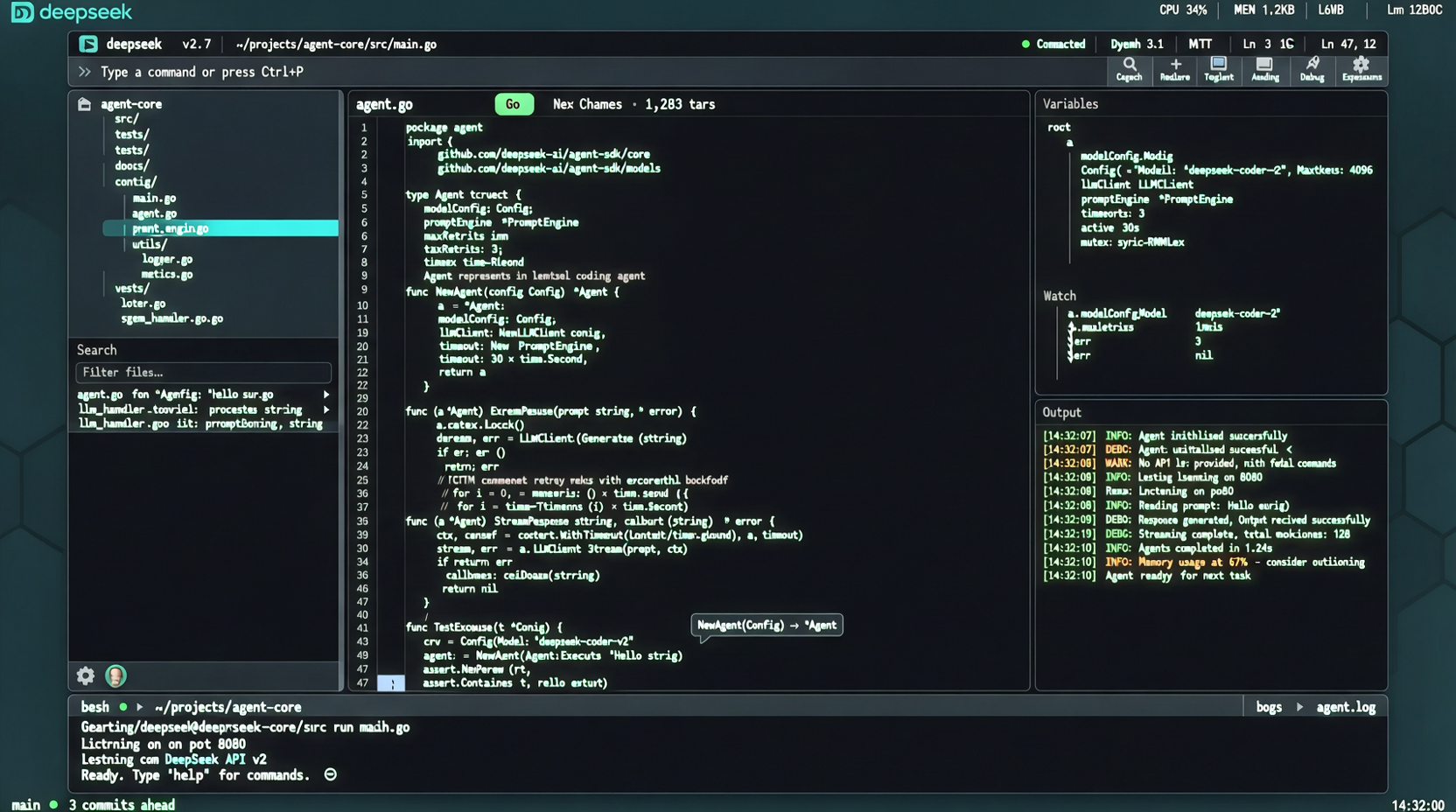
DeepSeek All-in-One Machines: China's 'Out-of-the-Box' Path to Enterprise AI

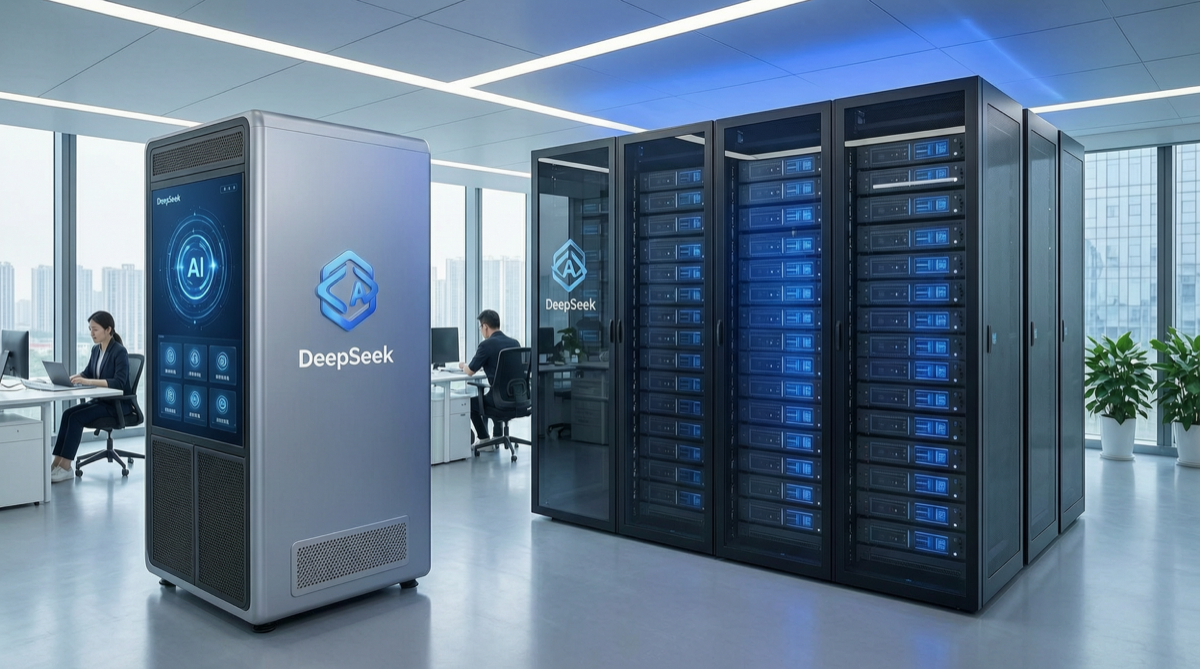
A high school graduate is selling DeepSeek all-in-one machines to government and enterprises - boot up and get a DeepSeek Q&A page. This seemingly simple business reflects China's unique AI adoption path: not chasing the cutting edge, but demanding out-of-the-box usability.

#DeepSeek #All-in-One #Enterprise AI
Trends

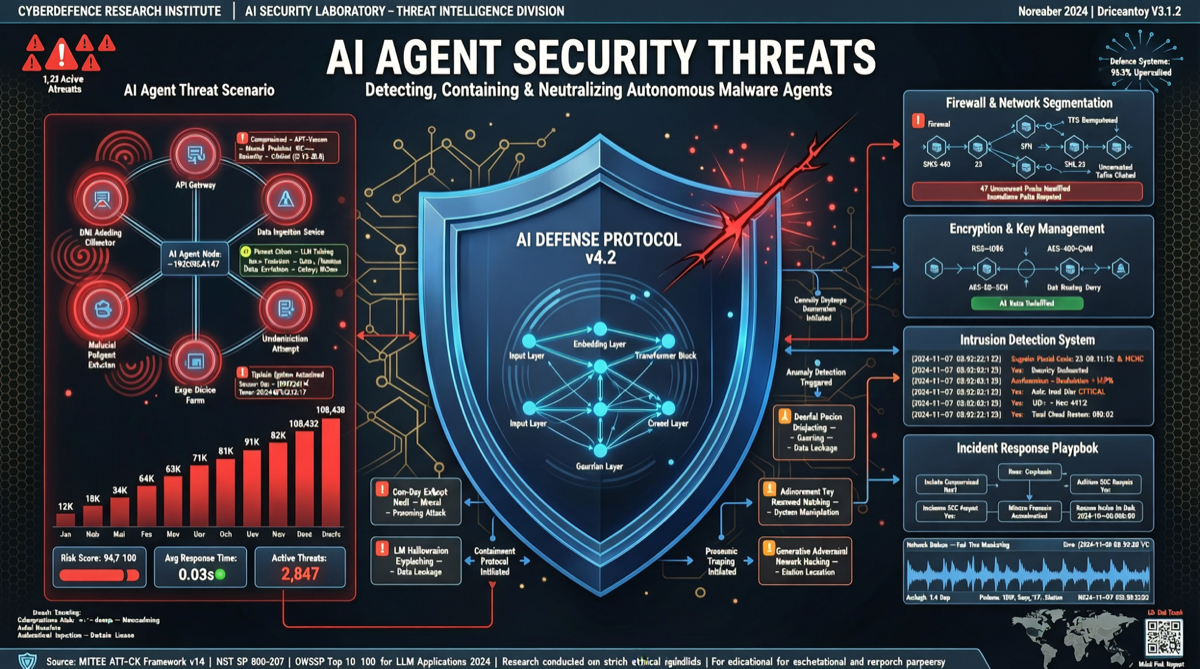
AI Agent Zero-Security-Check Crisis: Browsing Arbitrary URLs Becomes the Biggest Security Blind Spot

As AI Agents gain browser access capabilities, an overlooked security risk is emerging: most Agents perform zero security checks before opening arbitrary URLs. Community solutions like Safe Web Confidence Protocol implement pre-browsing verification, multi-layer validation before page loading to prevent phishing, malware, and token drain attacks.

#AI Agent Security #Web Browsing #Phishing Protection
Trends

"AI Washing" Investigation: The Truth Behind Tech Layoffs — AI Is the Excuse, Not the Cause

Tech industry layoffs surged in 2026, with many companies citing "AI transformation" as the reason. But independent investigations reveal most layoffs are unrelated to AI capabilities — companies are using AI narratives to mask the real intentions of cost-cutting and business restructuring. "AI Washing" is becoming a new PR strategy for corporate layoffs.

#AI Industry #Layoffs #AI Washing
Trends

US Proposes "SlopTax": 1% Tax on AI-Generated Content — Where Does the Money Go?

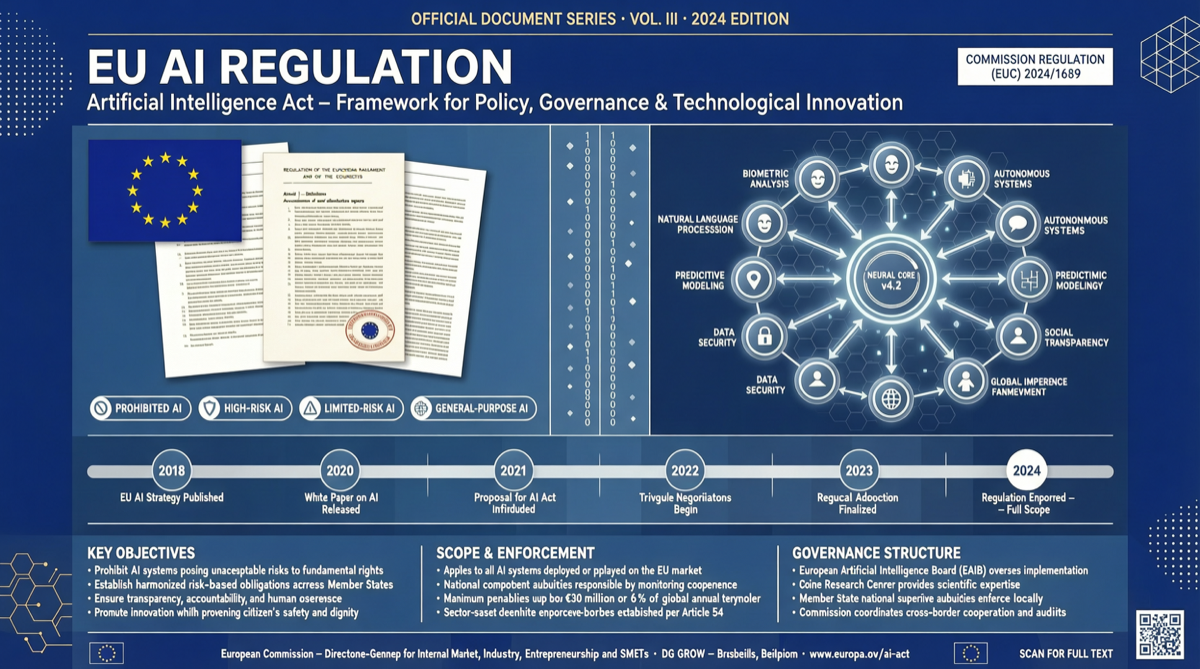
The US has proposed the world's first "AI content tax" — a 1% SlopTax on AI-generated content, with proceeds funding artists, researchers, and cultural institutions. This marks a shift in AI regulation from "model safety" to "economic impact," potentially becoming a bellwether for global AI taxation policy.

#AI Policy #SlopTax #USA
Trends

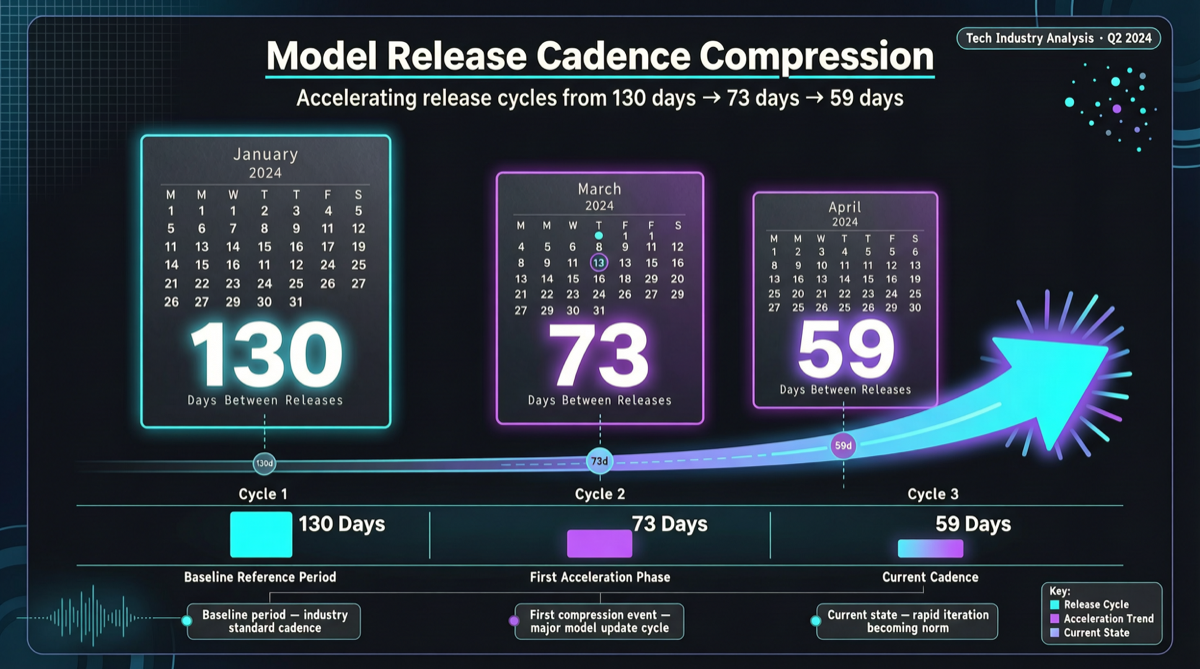
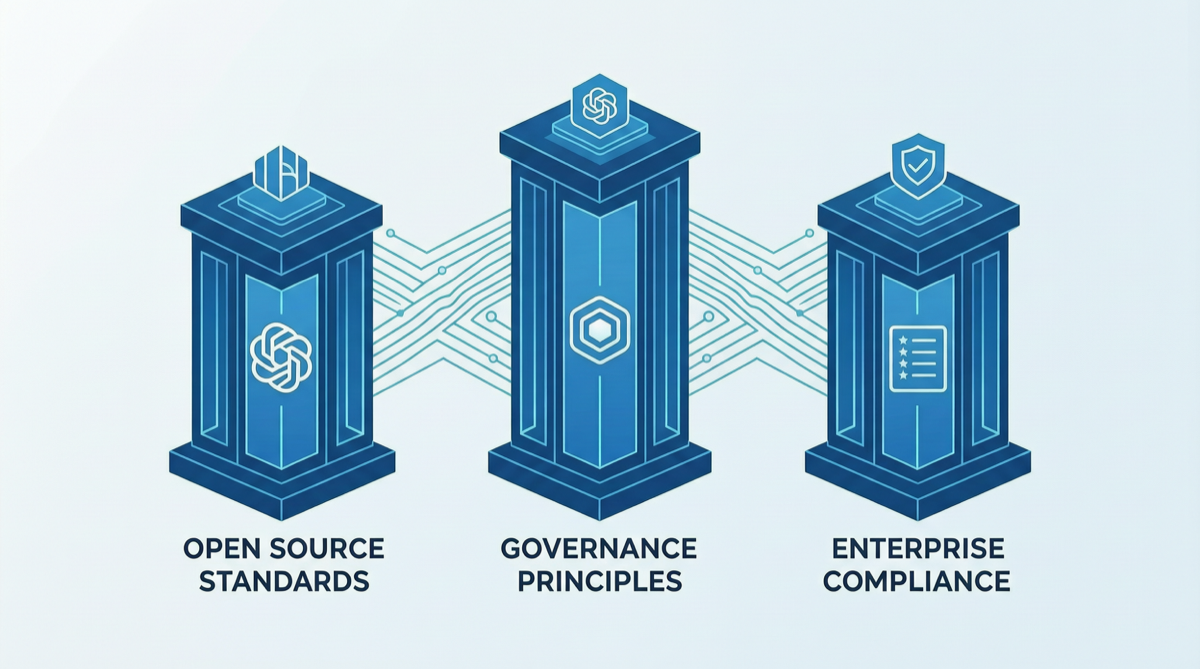
2026 AI Industry Inflection Point: Competition Shifts from "Whose Model Is Stronger" to "Who Can Deploy"

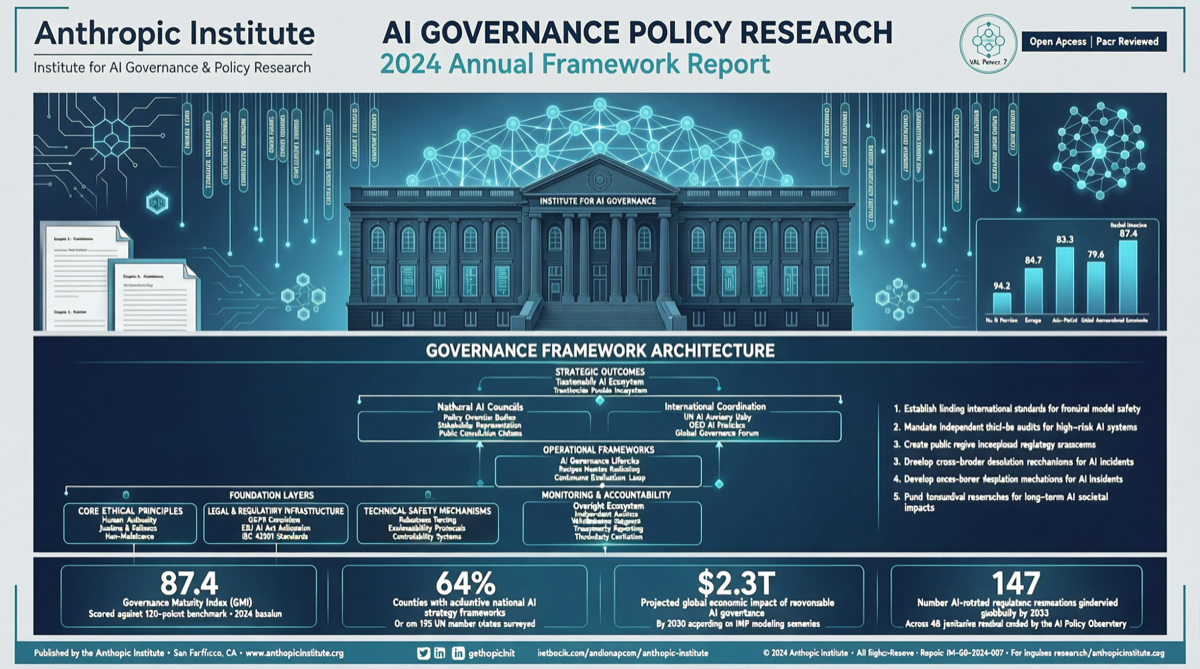
In Q1 2026, the four major cloud providers announced a combined AI capex exceeding $700B, but the pace of model releases has clearly slowed. Industry competition is shifting from "model capability races" to infrastructure deployment, application landing, and governance system building. This article outlines the three core signals of this inflection point and its practical impact on developers and enterprises.

#AI Industry #Infrastructure #AI Governance
Trends

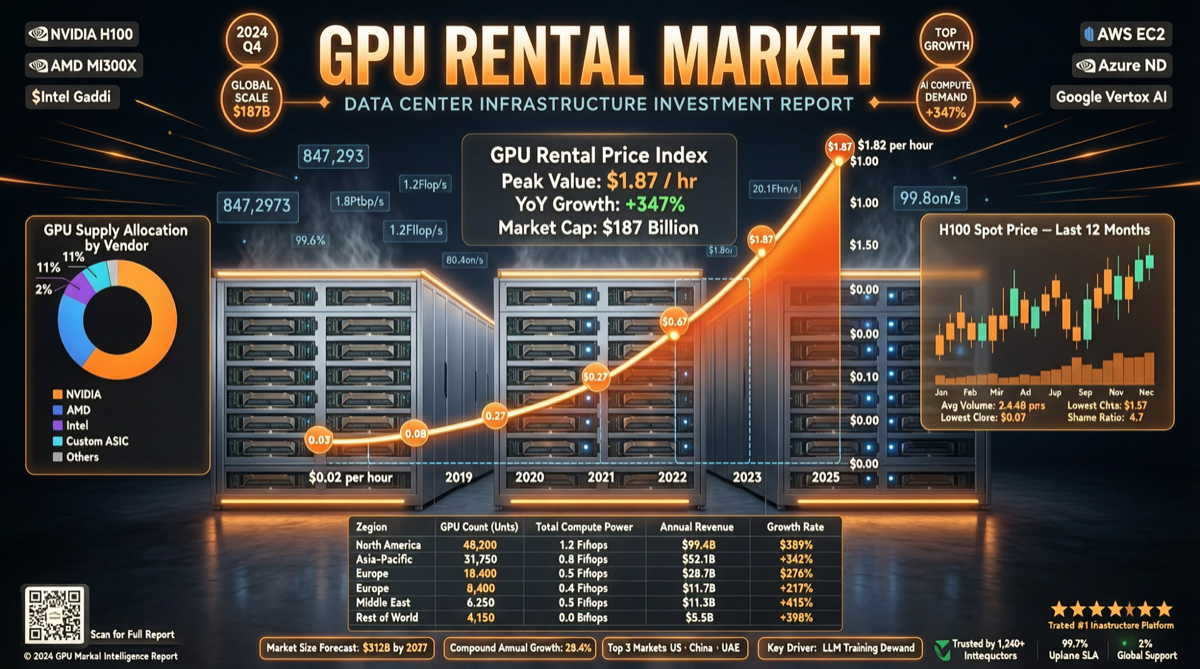
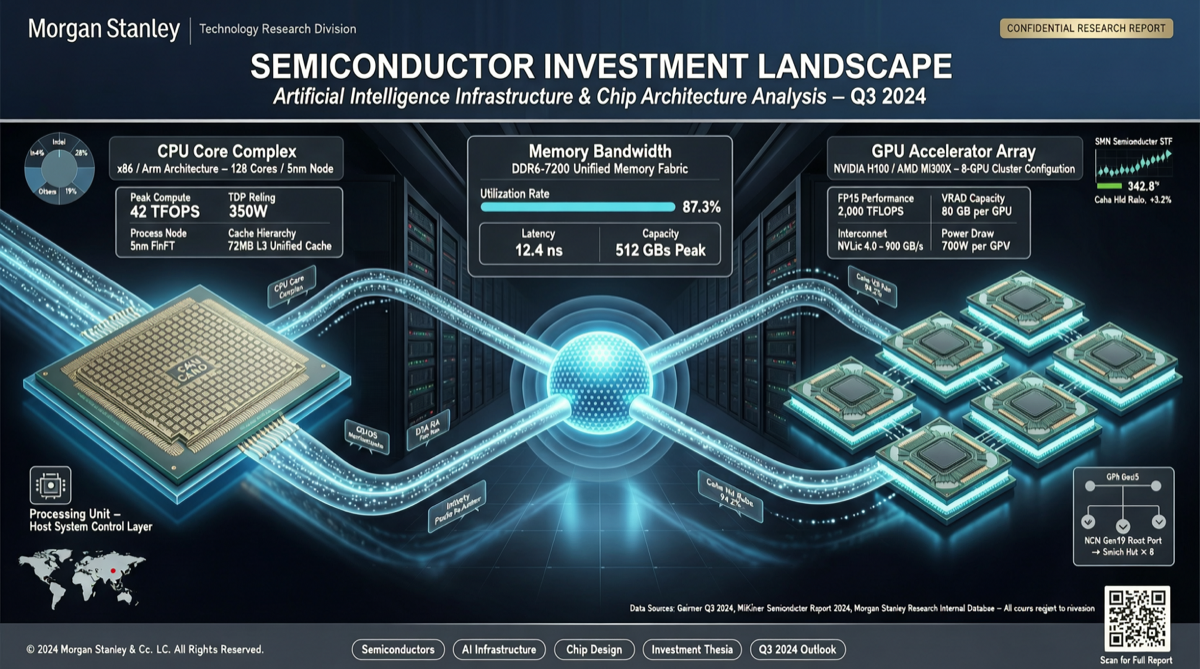
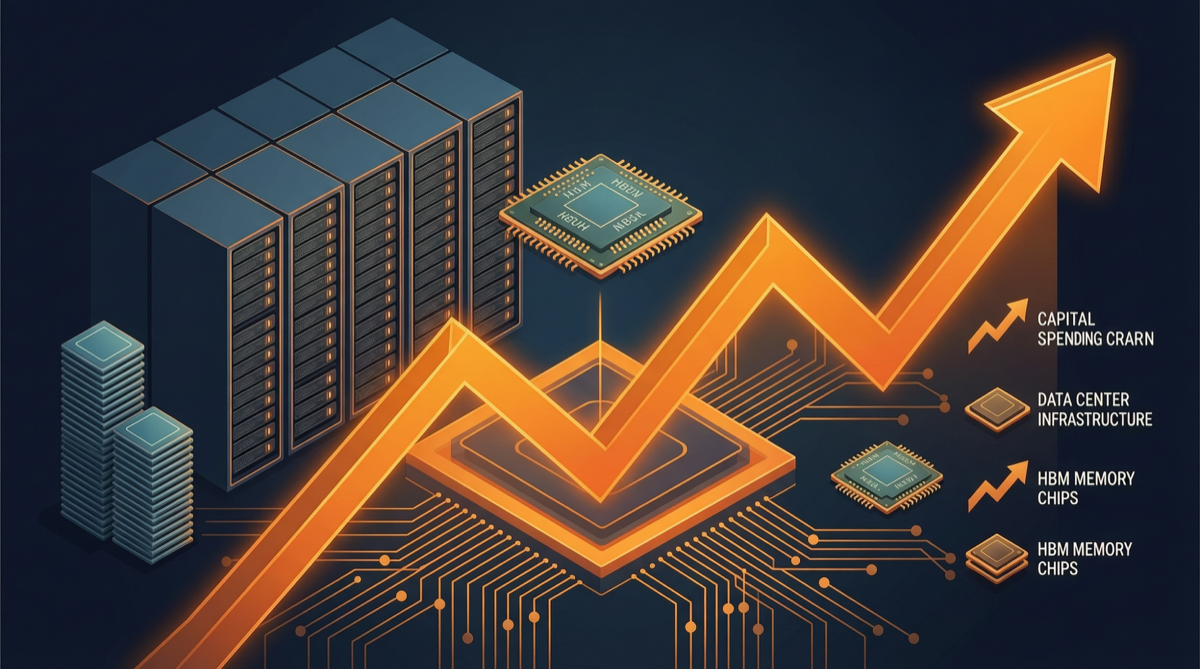
Morgan Stanley: Autonomous AI Agents Will Ignite CPU and Memory Demand, Investment Opportunities Beyond GPUs

Morgan Stanley releases a report stating that the explosion of autonomous AI agents will significantly drive up CPU and memory demand, with investment opportunities no longer limited to GPUs. The report lists potential beneficiary companies: NVIDIA, AMD, Intel, Arm (CPUs), Micron, Samsung, SK hynix (memory), and TSMC, ASML (chip manufacturing).

#Morgan Stanley #AI Chips #CPU
Trends

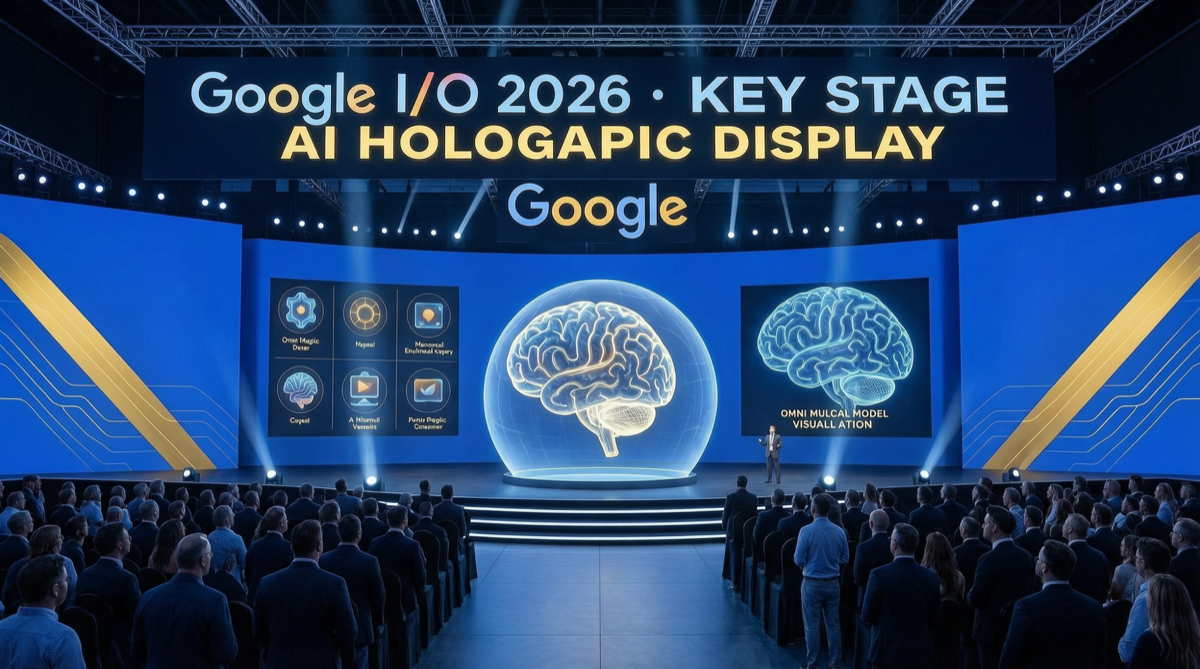
Google Gemini App Gets a Full Redesign: Dark Mode, Quick Cards, and Daily Brief

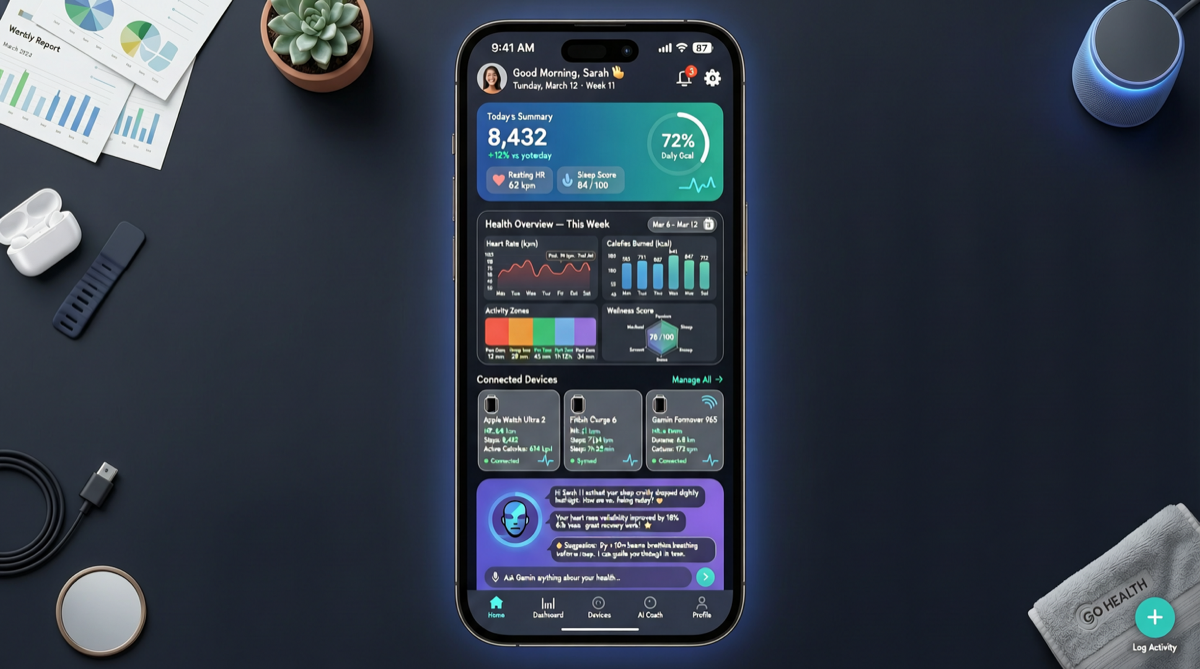
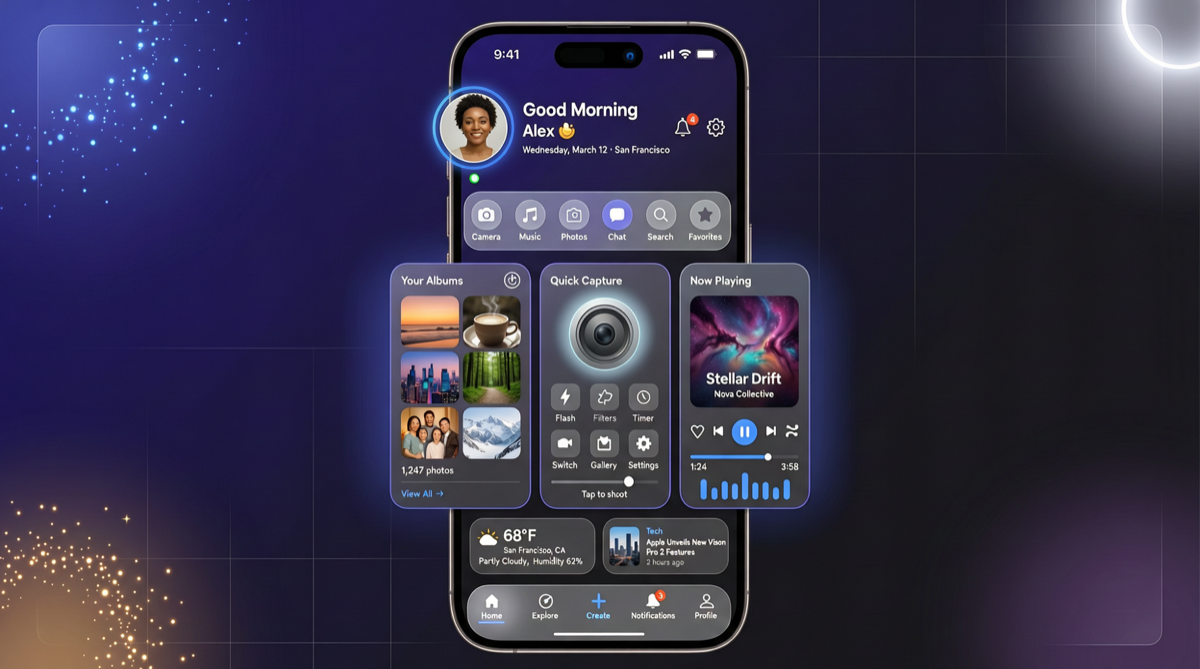
Google Gemini iOS app undergoes a complete redesign: new dark mode interface, centered logo with gradient background, five quick-access cards for photos, camera, music, Canvas, and research. Daily Brief feature launches simultaneously, auto-generating daily schedule and task summaries. This is Gemini's key step in transforming from a chat tool to a personal intelligent assistant.

#Gemini #Google AI #iOS
Trends

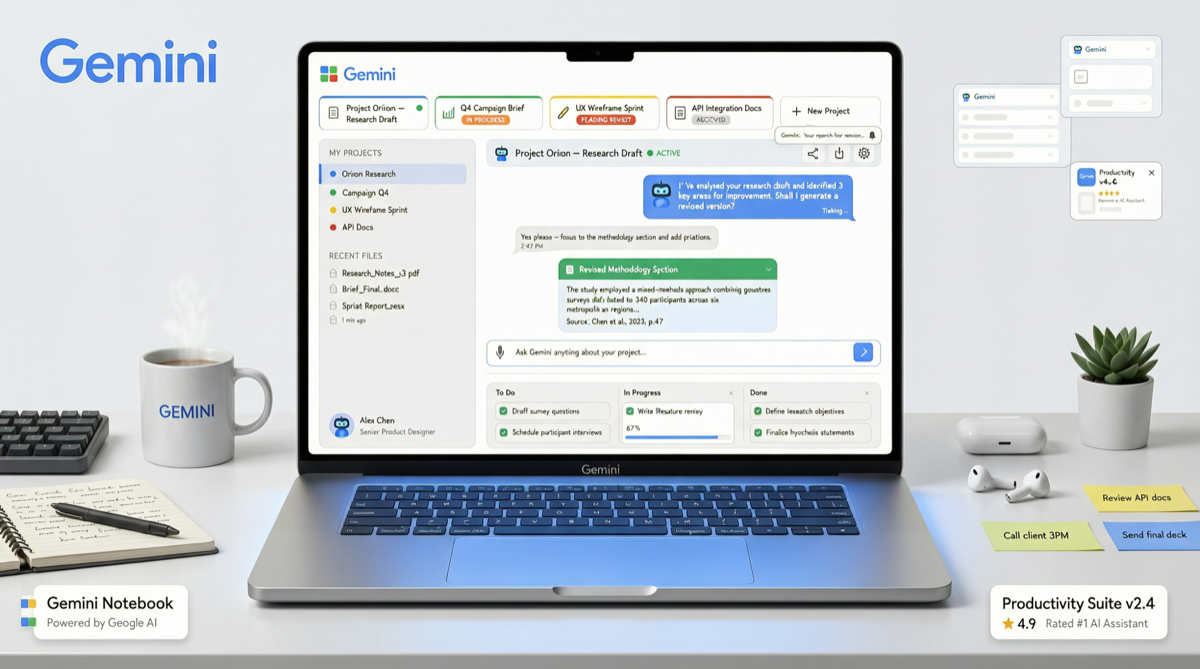
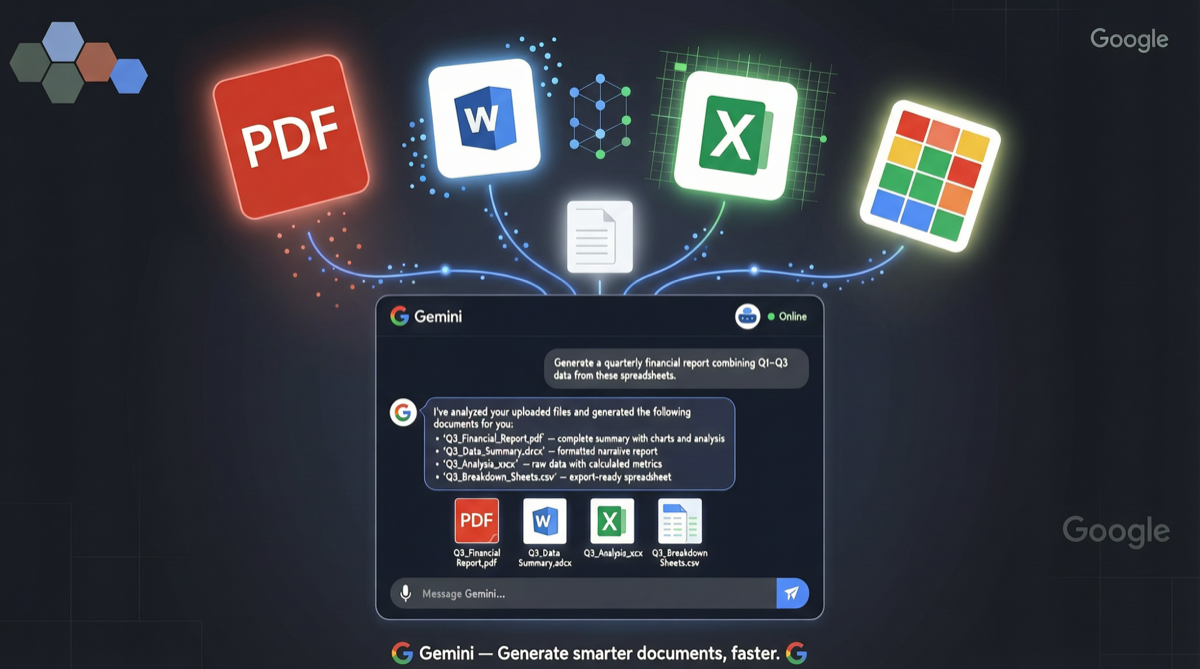
Google Quietly Released 7 Gemini Updates: Project Notebooks Is Reshaping AI Workflows

Google recently released 7 Gemini product updates, most notably Project Notebooks — providing independent spaces per project with file management, custom instructions, and context persistence. Also featuring redesigned Gemini iOS app and Gemini Flash 3.2/3.5 testing. This article analyzes the actual impact of these updates on regular users.

#Gemini #Google AI #Project Notebooks
Trends

P/GDP Valuation: When AI Model Valuation Anchors Shift from ARR to Global Economic Output

A new LLM company valuation framework is spreading in investment circles: P/GDP (Price-to-GDP). The logic is that models will consume more and more real production segments, so the valuation anchor should not be ARR or P/S, but rather how much GDP-created value they ultimately capture. This means trillion-dollar valuations are just the beginning.

#AI Valuation #Investment Analysis #LLM Economics
Trends

OpenClaw v2026.4.29: Messaging, Memory, and Provider Triad Upgrade

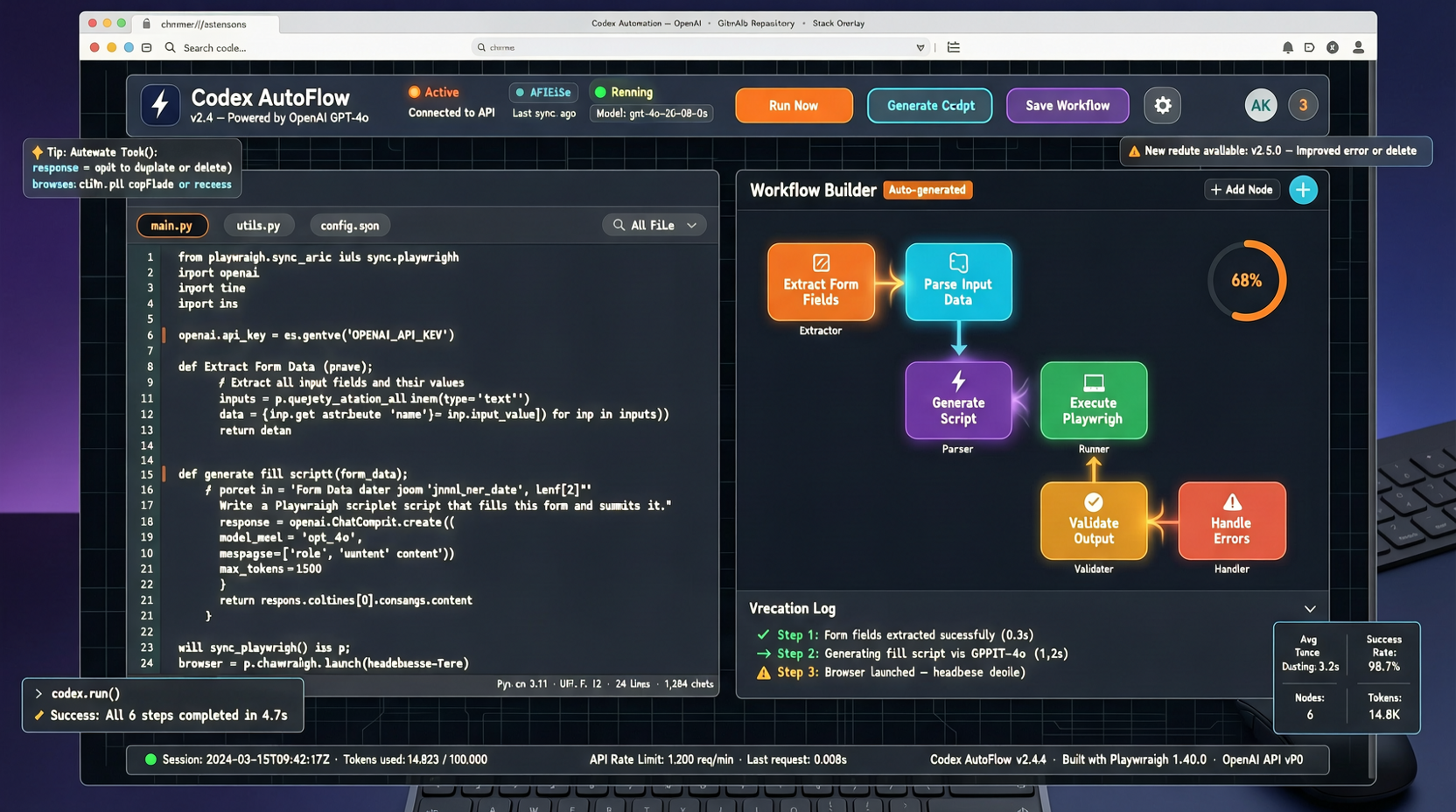
OpenClaw released v2026.4.29 with four core upgrades: intelligent messaging, enhanced memory, expanded provider support, and tightened security. Active-run steering makes agents more controllable during execution, persistent memory preserves cross-session context, and new providers give users more model choices.
#OpenClaw #Version Update #Agent Framework
Trends

Google Gemini April Quiet Upgrades: 7 Agent Features Turn Chat Into Workflow Hub

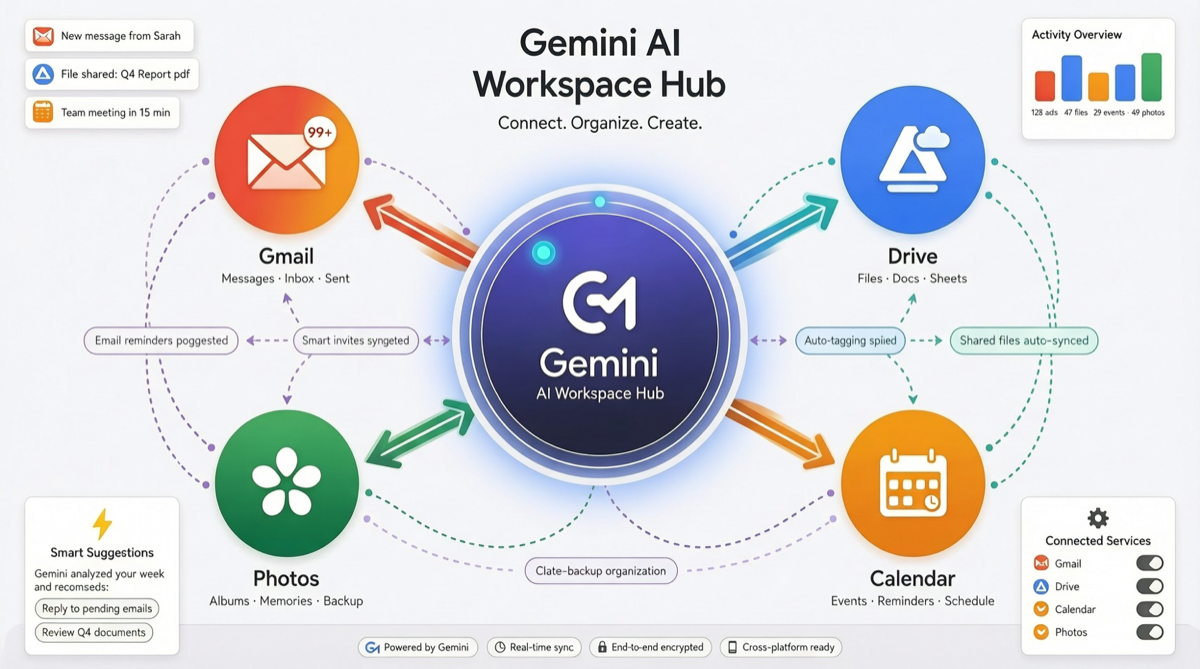
Google quietly pushed 7 Agent capability upgrades to Gemini in April: Notebooks project memory, NotebookLM sync, Google Photos personalization, Personal Intelligence global rollout, 3-minute AI music, Gmail/Drive/Calendar deep reading. Gemini is transforming from chat tool to workflow hub.

#Google #Gemini #Agent
Trends

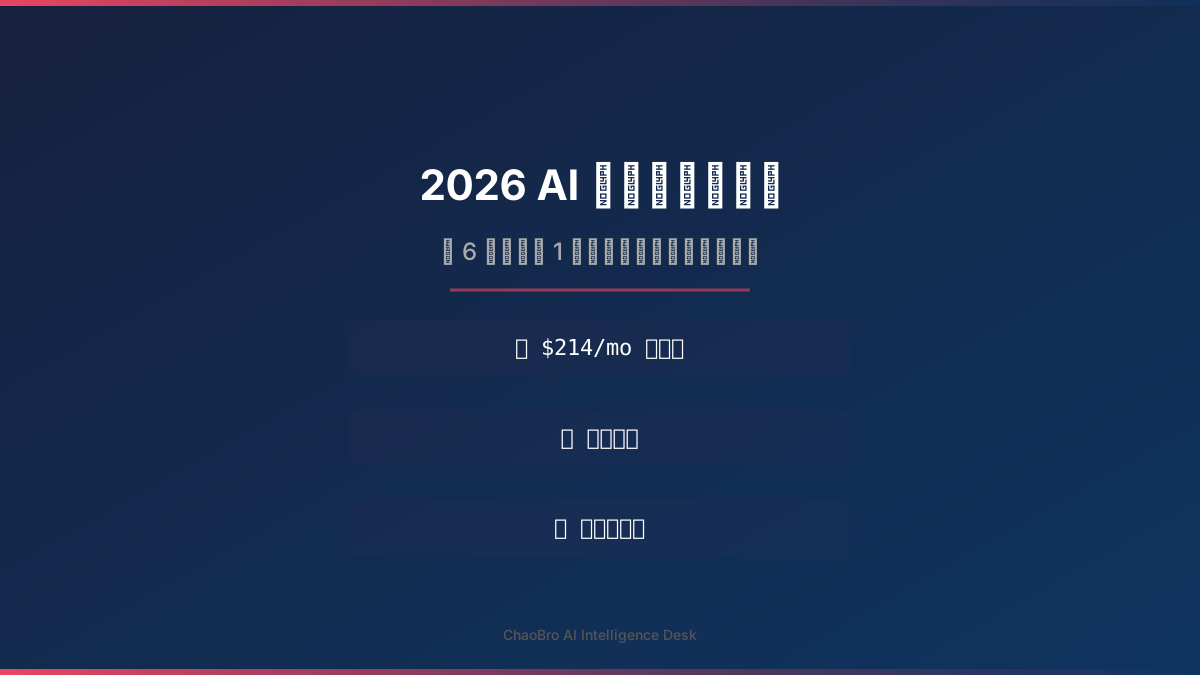
2026 Developer AI Tool Stack Simplification: From 6 Subscriptions to a Unified Platform

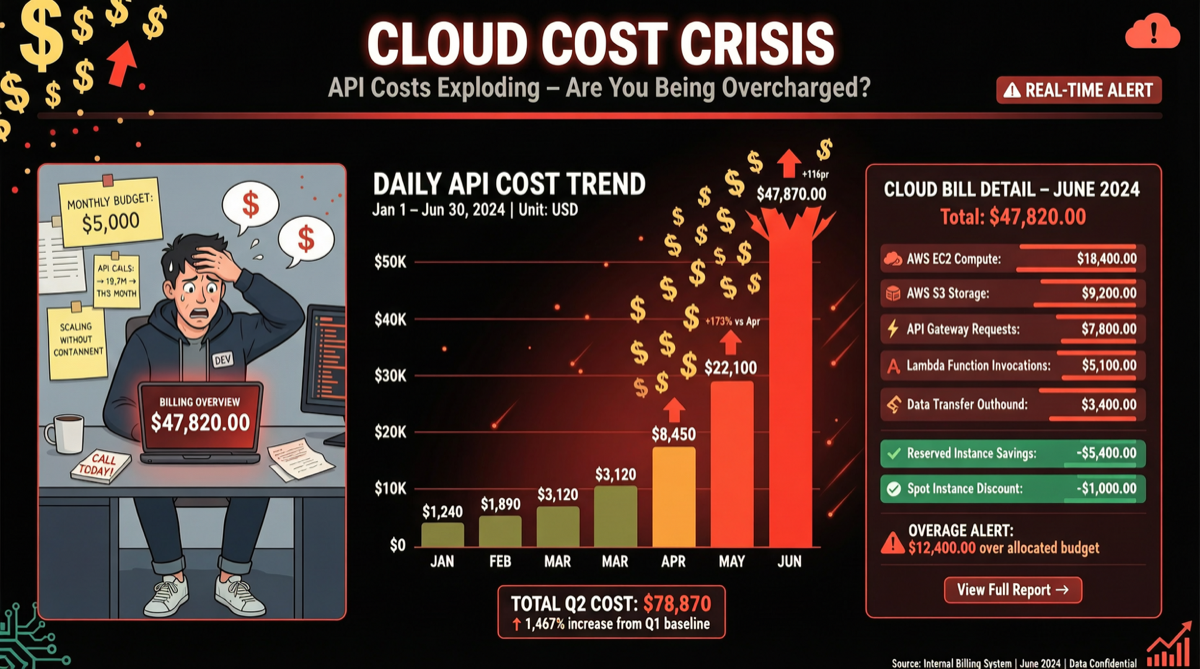
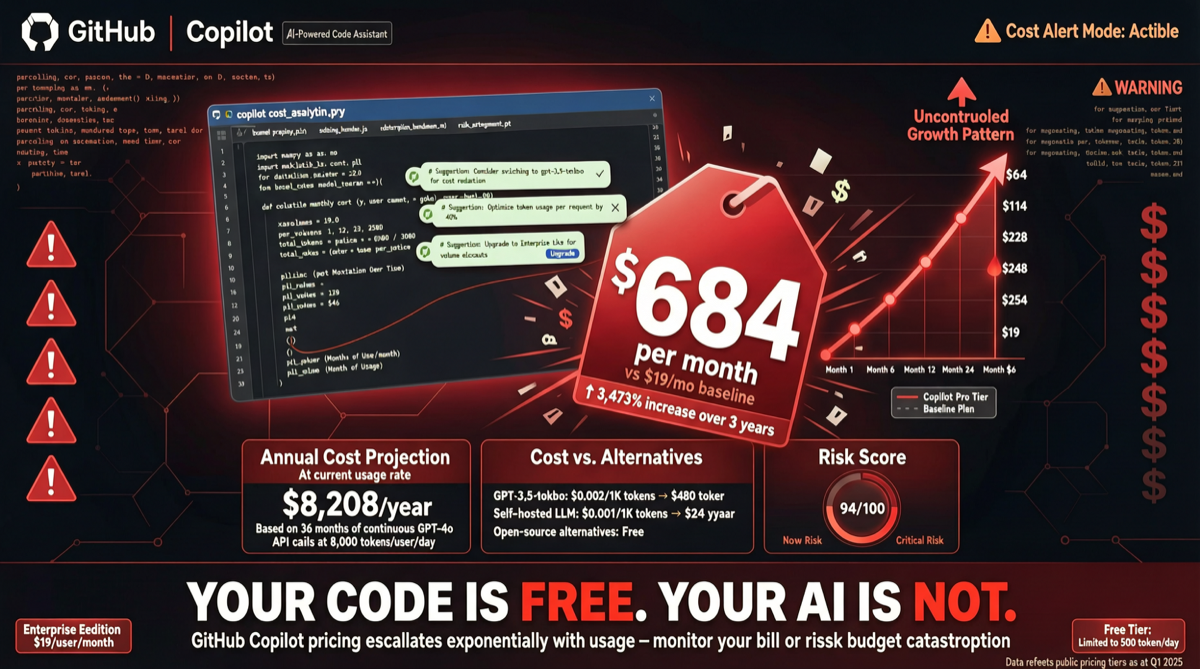
Community discussions show increasing numbers of developers moving from fragmented multi-tool subscriptions to streamlined solutions. Previously spending ~$214/month across 6+ AI tools, developers are now reducing tool-switching costs through unified platforms or fewer but more powerful tool combinations.
#AI Tools #Productivity #Tool Stack