What Happened
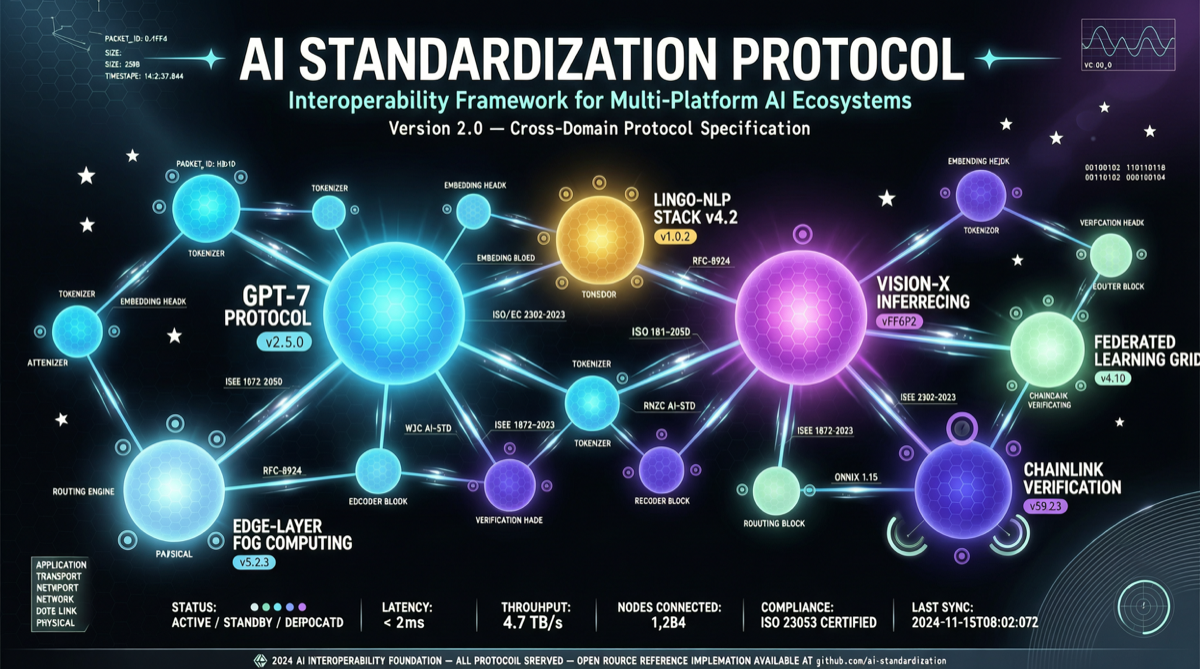
The Model Context Protocol (MCP)—an open standard initiated by Anthropic—has surpassed 97 million cumulative installations. More importantly, all major AI vendors now natively support MCP.
This is not just a numerical milestone—it’s a signal of an ecosystem inflection point.
The Core Problem MCP Solves
Before MCP, every AI platform had its own way of integrating tools:
- Claude had custom tool definition formats
- GPT had function calling and Actions
- Gemini had independent tool APIs
- Each third-party service needed separate integration for each platform
The result? Developers had to write 4-5 sets of integration code for the same tool. Enterprises were locked into a single AI vendor’s ecosystem, with switching costs estimated at $50-150 billion.
MCP’s solution is direct: define a universal protocol for tools, data, and resources, standardizing the connection between AI applications and external tools.
Data Comparison
| Metric | Before MCP | MCP Today |
|---|---|---|
| Major AI platform support | 0 (each on their own) | All (Anthropic/OpenAI/Google/Meta) |
| Third-party tool adaptation cost | Independent per platform | Build once, available everywhere |
| Vendor switching cost | $50-150B (estimated) | Continuously declining |
| MCP installations | 0 | 97M+ |
| MCP Server projects | 0 | Thousands of open-source projects |
Why This Matters
MCP’s success means the AI industry is experiencing a standardization moment analogous to HTTP for the internet or USB for hardware:
- Developer efficiency improved: Tool developers only need to implement one MCP Server to be accessible by all MCP-supporting AI platforms
- User choice expanded: Enterprises can freely switch between different AI models without deep tool integration lock-in
- Innovation barrier lowered: New AI startups can immediately access a mature tool ecosystem without building from scratch
Practical Impact for Developers
If You’re Building AI Tools
No more writing adaptation layers for each AI platform. Build one MCP Server, and it can be called by Claude, GPT, Gemini, and all MCP-supporting platforms.
If You’re Choosing an AI Platform
MCP ecosystem maturity should be a key selection criterion. The degree of a platform’s MCP support directly determines the range of tools available to you.
If You’re Making Technical Architecture Decisions
Adopt MCP as your integration layer standard. Within the next 12 months, AI platforms that don’t support MCP will clearly lag behind in tool ecosystem.
Next Steps
MCP’s next battleground is enterprise features: permission management, audit logging, multi-tenant isolation. These capabilities will determine whether MCP can graduate from a developer tool to an enterprise infrastructure standard.